Add Smart Audio Functionality
Review established audio and Bluetooth eyewear platforms against the intended product direction.

EYEWEAR BRANDS
Extend an eyewear product line through smart audio, Bluetooth smart glasses, selected smart-temple platforms and reviewed frame, temple and lens options—supported from platform selection and OEM/ODM review through manufacturing and quality verification.
Discuss Your Requirements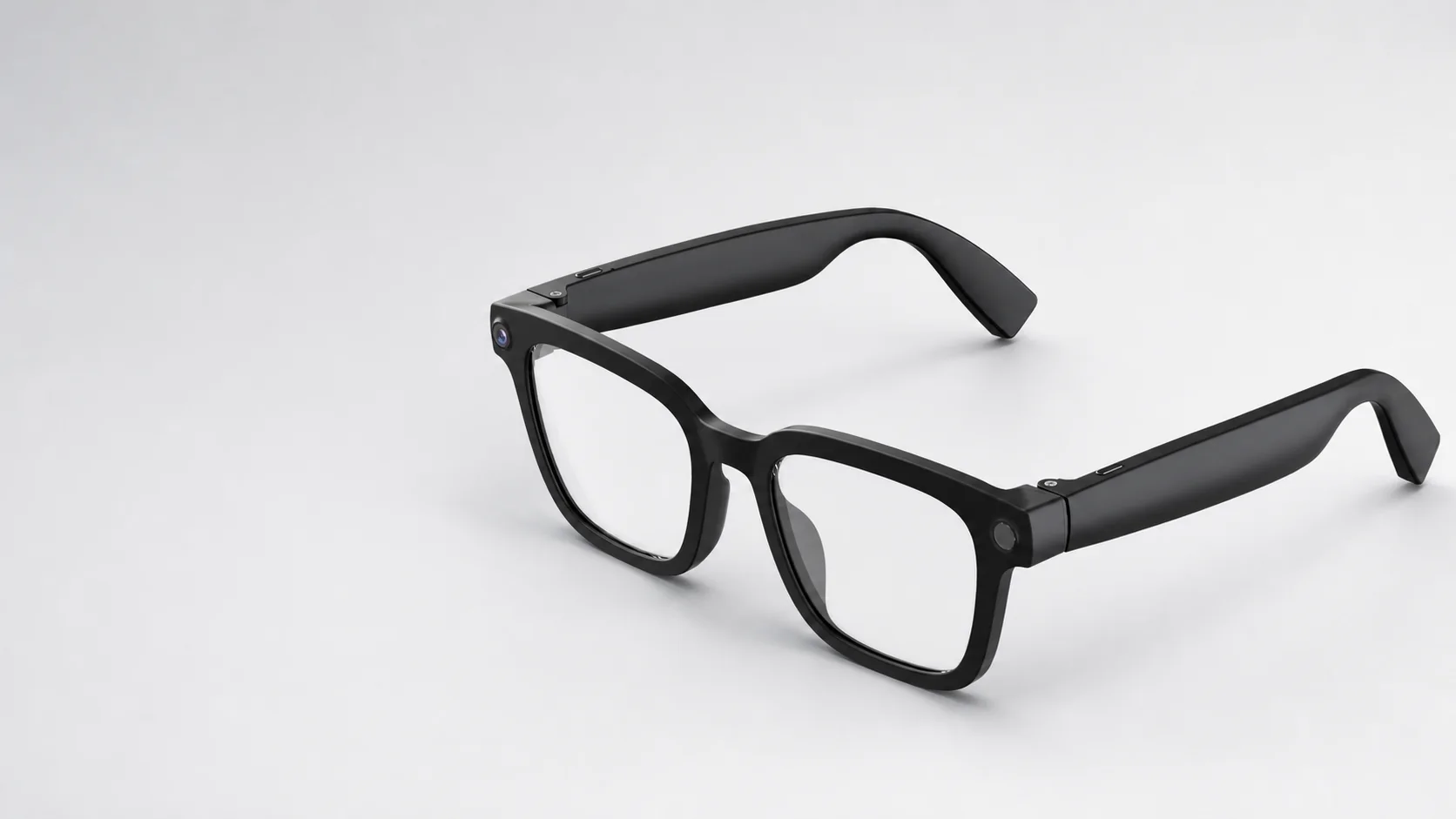 FRAME / TEMPLE / PRODUCT DETAIL
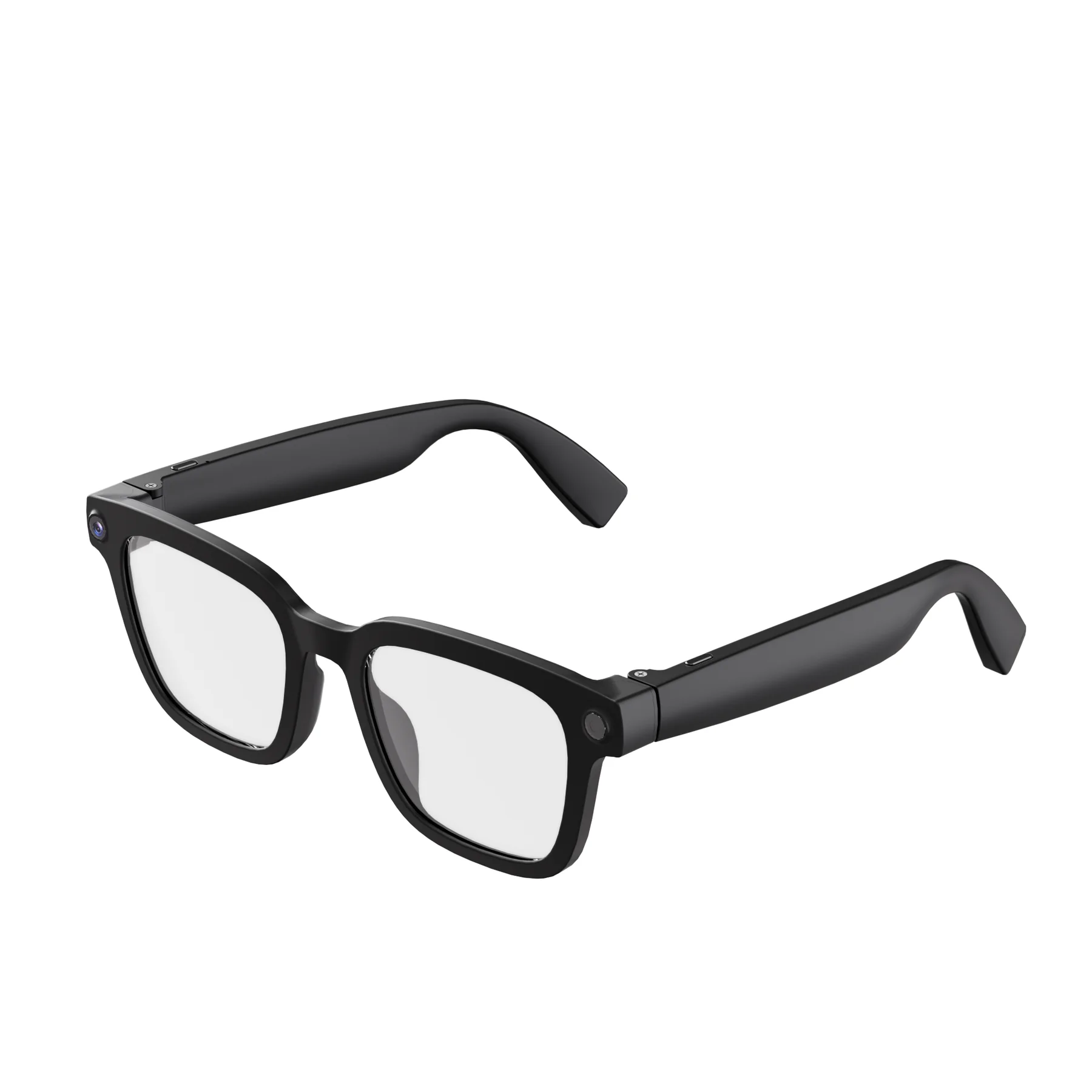
EYEWEAR BRAND DECISIONS
Review the intended form, smart function and platform fit before confirming samples or production.
Review established audio and Bluetooth eyewear platforms against the intended product direction.
Evaluate smart functions around an eyewear-led form factor and the selected product platform.
Review frame and temple requirements at platform level before confirming a configuration.
Confirm lens options according to the selected frame and product configuration.
Assess available smart-temple options only for selected platforms and project requirements.
Align the product direction, required functions and appearance with the intended market.
PRODUCT PATHS
Start from established product platforms. Confirm the final function and configuration by model.
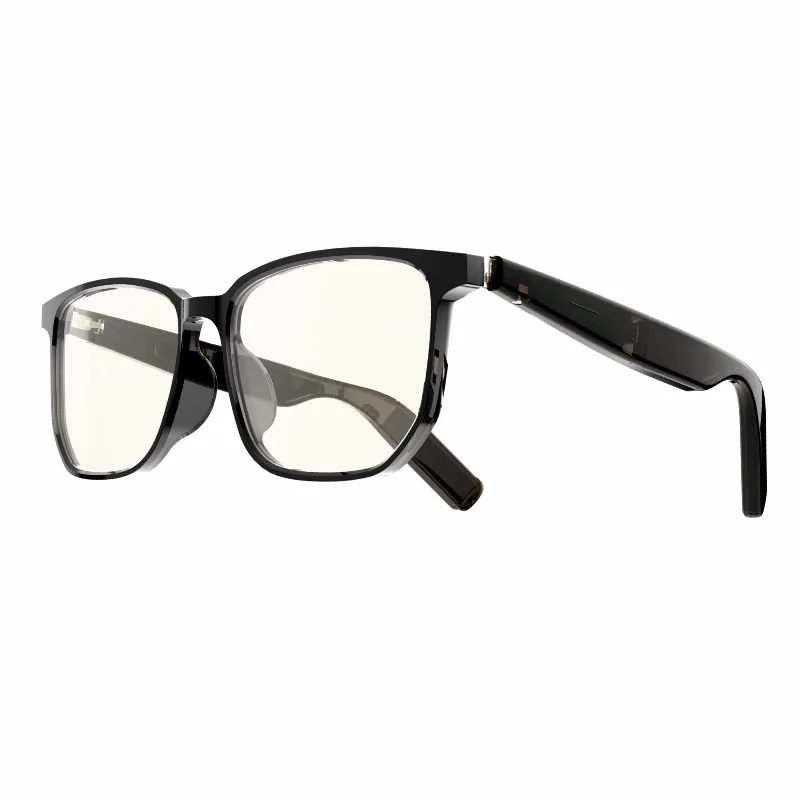
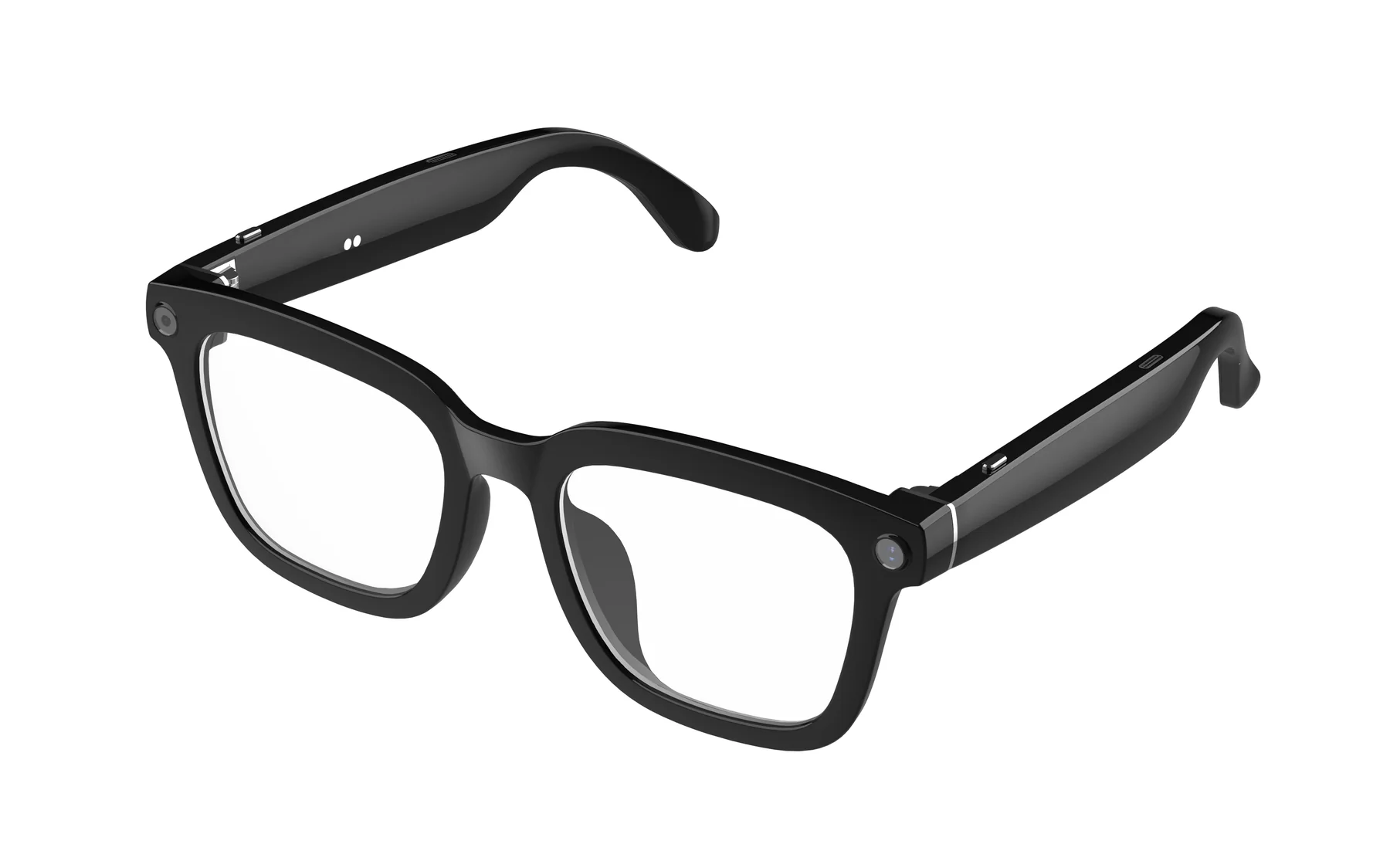
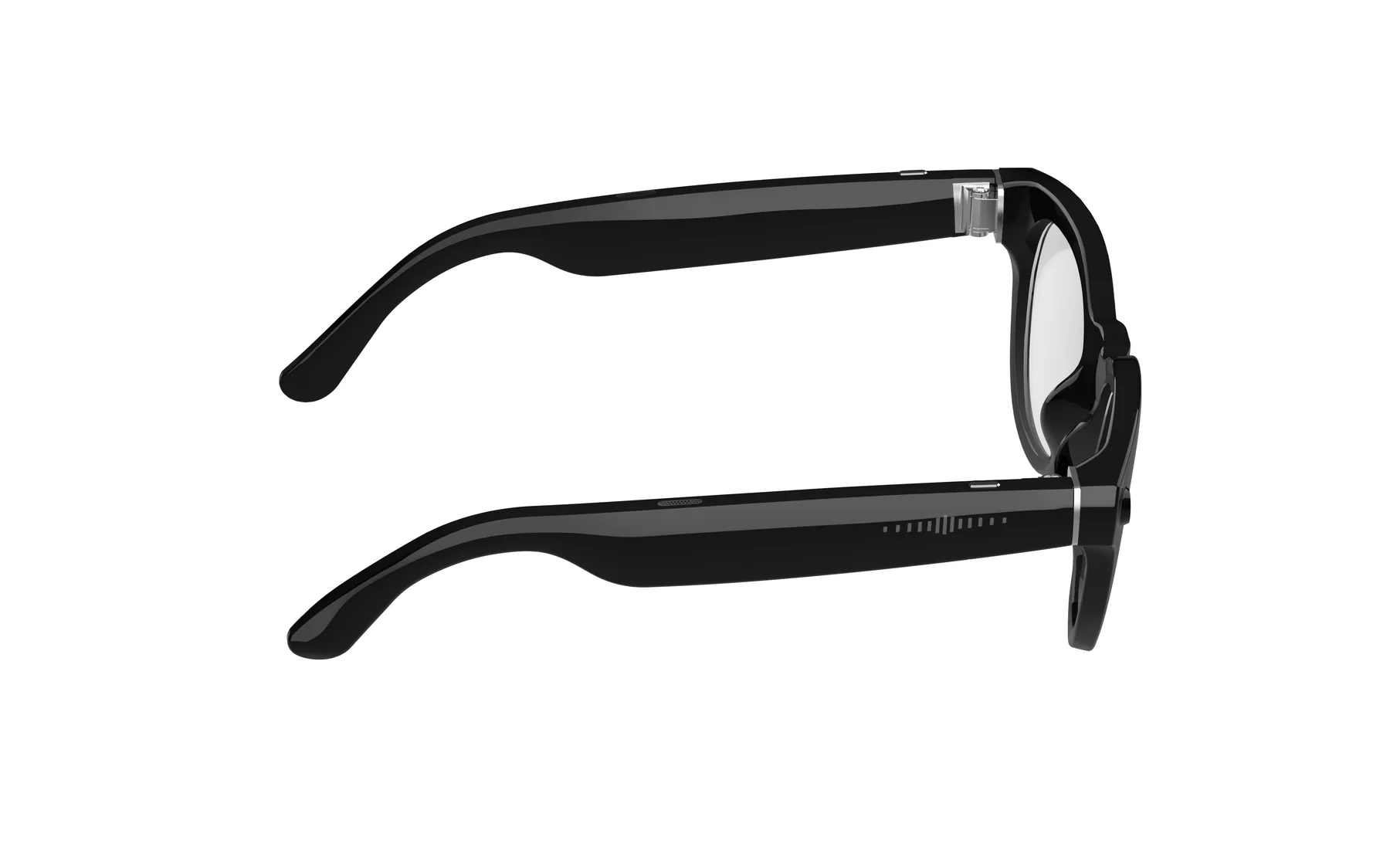
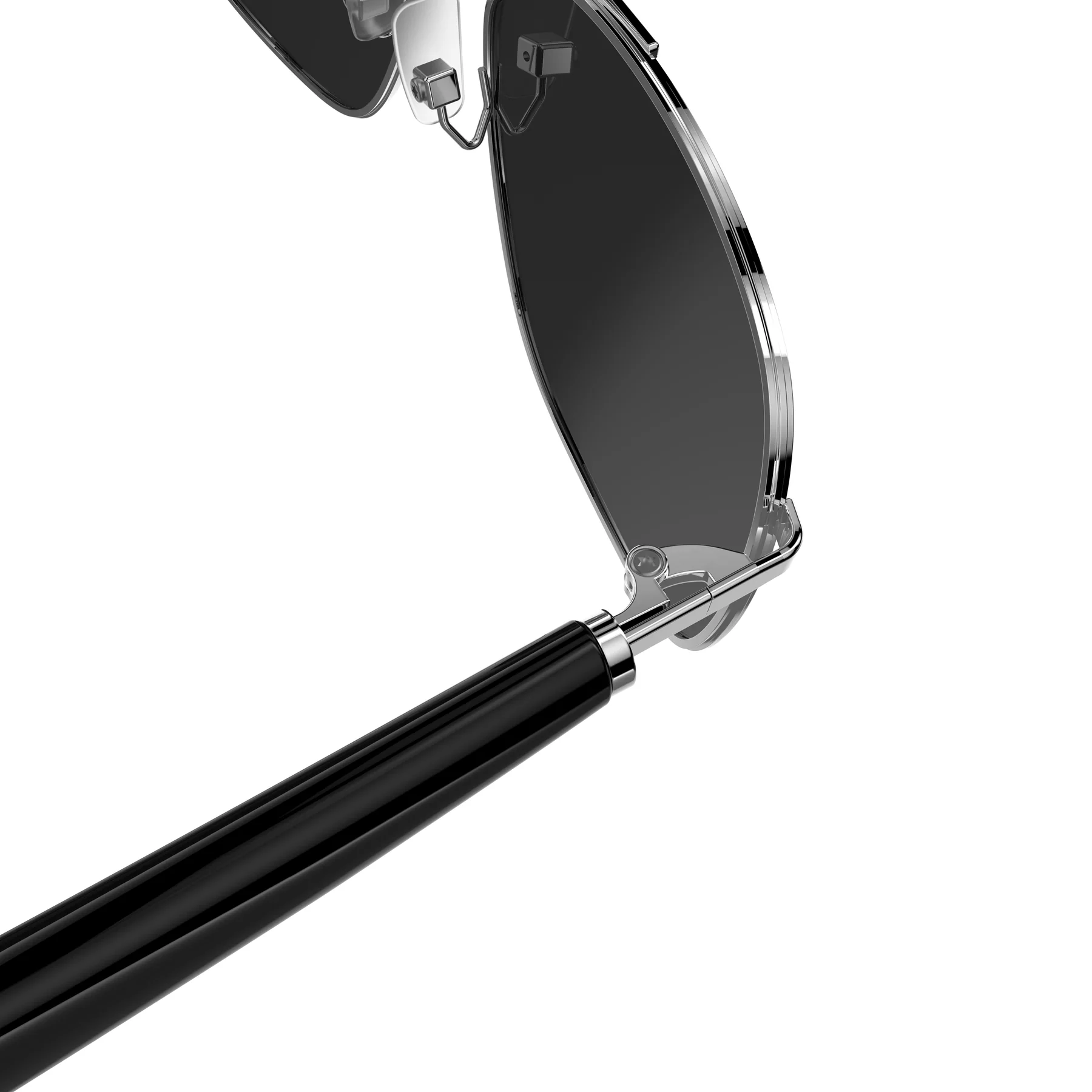 G01-01 FRAME / HINGE / TEMPLE CONNECTION DETAIL
SMART TEMPLE / FRAME INTEGRATION
Smart temple solutions are available for selected eyewear platforms and project requirements. Platform matching, temple color and temple material options are reviewed before a configuration is confirmed.
LENS & FRAME OPTIONS
Lens options are reviewed according to the selected frame and product configuration.
Review visible frame, temple and lens details before confirming a product configuration.
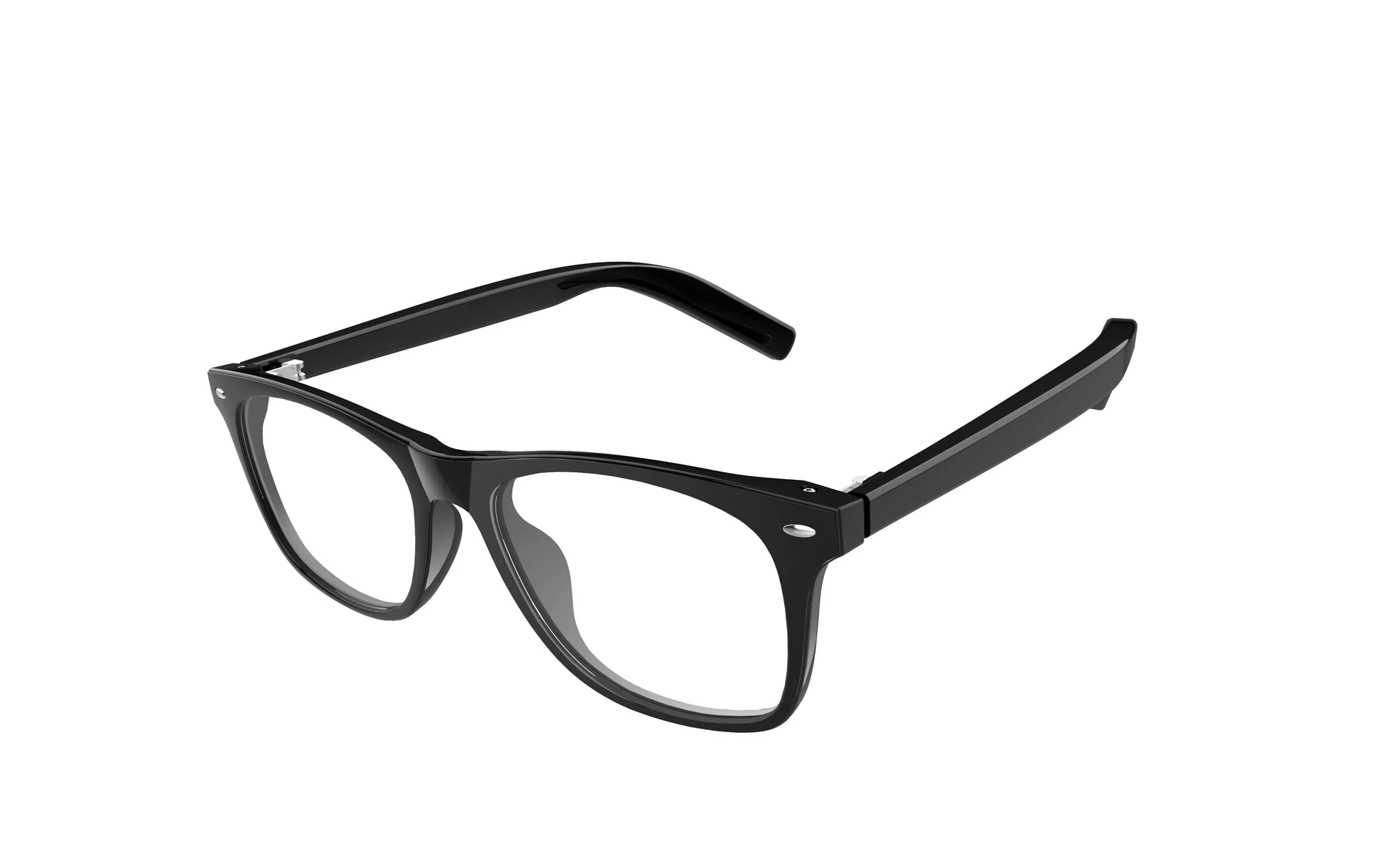
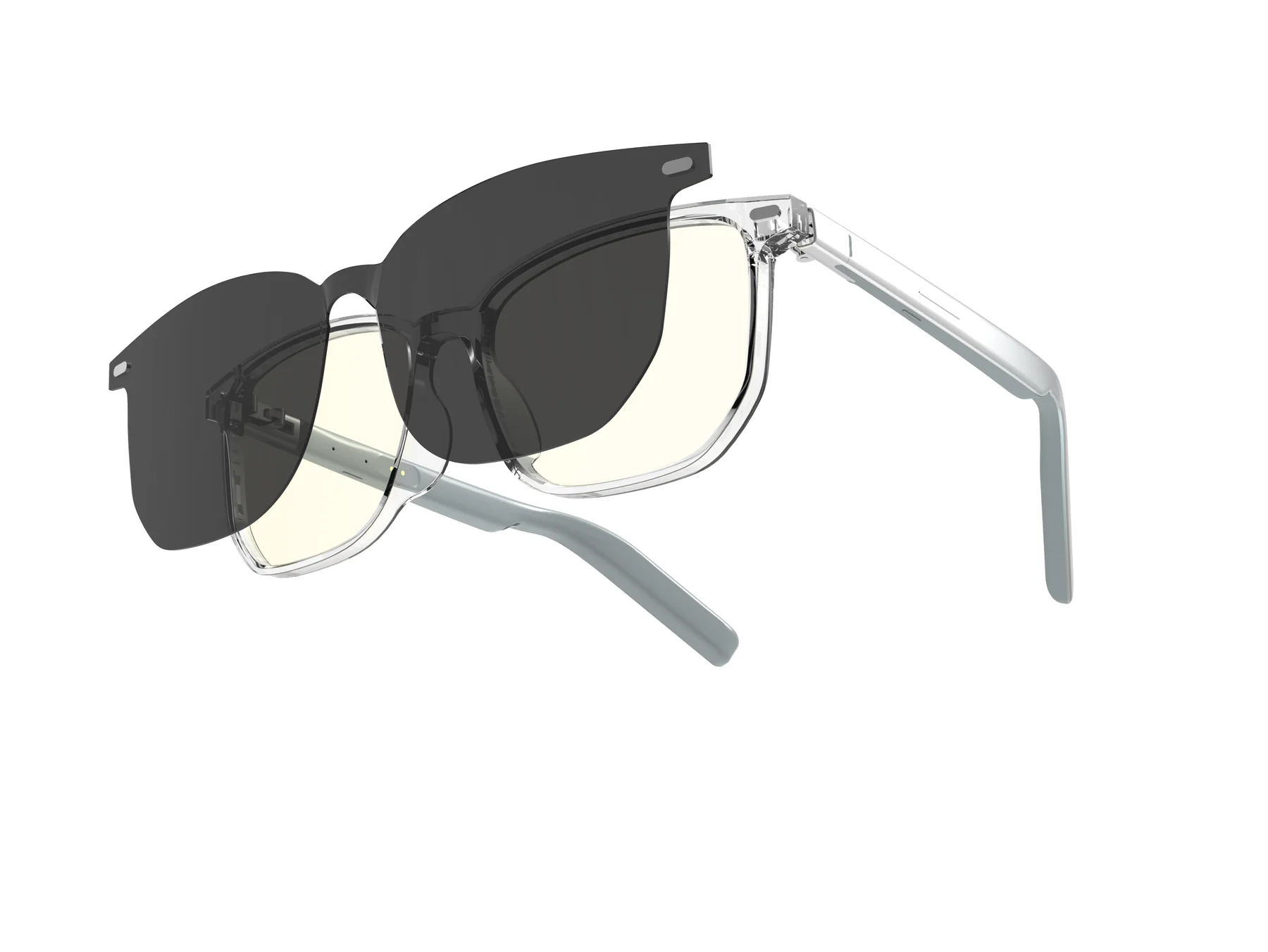
Confirm each option against the selected frame and product platform.
Color options reviewed for the selected frame platform.
Temple colors aligned to the selected product configuration.
Lens color options for applicable eyewear models.
Lens material selection reviewed by product platform.
Frame material options for supported configurations.
Temple material options for supported configurations.
PROJECT DEVELOPMENT
Each stage establishes the basis for the next product, engineering or production decision.
MANUFACTURING & QUALITY

Review CYNRIN's manufacturing, assembly and project workflow.
Explore Manufacturing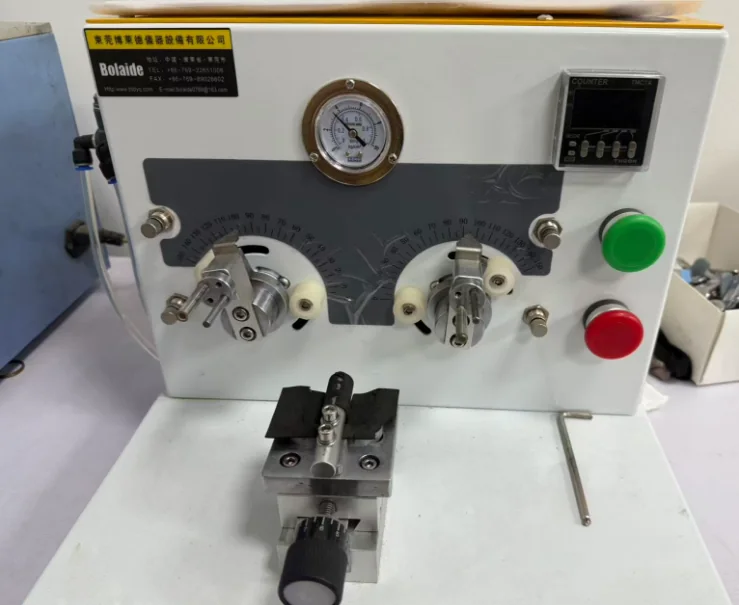
Review the functional, mechanical, environmental and aging test framework.
Explore Quality ControlWHAT TO SEND US
These inputs give both teams a practical basis for platform, configuration and project review.
Eyewear-first design
Eyewear brands carry expectations consumer-electronics brands do not: all-day comfort, lens quality, shelf presence and optical credibility. Smart temples have to earn their place against that standard.
The frame remains the product. Weight distribution, temple balance, nose contact and silhouette are judged against the eyewear category, not against a gadget benchmark; a smart frame that looks or feels technical fails in an optical store. Smart functions are integrated at the temple and validated against the same wear trials as a conventional collection — the realities of daily office and city wear, including privacy behavior, are examined in open-ear glasses in daily life.
Audio-first is the natural entry point. For most fashion and optical brands, open-ear audio is the least invasive first category: no lens block from a camera module, familiar wearing pattern, and a function customers understand from the first try-on. How open-ear speakers and beamforming microphones are built into the temples is explained in speaker and microphone technology, and the category channel logic is covered in the audio glasses B2B analysis.
Identity is a manufacturing scope, not a sticker. Brand marks, temple details, case, packaging and manuals need to be defined as brand assets from the quote stage; the difference between selling an existing product under a name and controlling the presentation is the core of white label versus private label, with the commercial tiers on the private-label page. Frame colors, finishes and lens programs are handled through customization.
Optical credibility has to survive the smart transition. Prescription and fit-forward options depend on the platform's lens geometry, which varies by reference family and must be confirmed before the range is sold to optical retailers; sample validation should include the exact lens program customers will order. The entry commitments for catalog versus branded versus custom work are on the MOQ page, and the full calendar sits on the development process page.
Evidence for the decision
Questions buyers ask
Electronics, battery and hinge structure require specific temple geometry, so existing frames are usually adapted onto a validated platform family rather than retrofitted in place. The design collaboration and the boundary between platform constraints and brand language are handled in the customization scope, starting with samples in the chosen family.
Audio-first is the typical first range for fashion and optical brands because it preserves frame design, needs no lens-blocking module and is instantly understood at try-on. Camera-led lines suit brands whose channel and audience already speak in content; the comparison is laid out in the audio B2B analysis.
Prescription compatibility depends on the lens geometry and rim structure of each platform family, so it is confirmed per configuration, not across the catalogue. Include the intended lens program in the brief and validate it on sample units before retail commitments.
Catalog configurations are available at the lowest tier; a branded collection with your marks, case and packaging begins at the private-label/OEM tier; custom frame tooling is an ODM commitment. The tiers are defined on the MOQ page and the branding distinctions on the white-label article.
Weight balance and temple thickness are the comfort-critical engineering points on any smart frame. They are evaluated subjectively and physically on sample units in real wear conditions — the daily-use baseline is described in the daily-life article.
START A CONVERSATION