Of every smart glasses family a B2B buyer can stock in 2026, Bluetooth audio glasses present the broadest commercial opportunity — not because the technology is newest, but because the use case is oldest. People already wear glasses all day, already take calls and listen to audio on the move, and already understand what open-ear listening is for. No education campaign, no new social behavior and no niche identity is required to make the first sale. That is a rare profile in consumer electronics, and it changes how distributors should plan a range.
This brief examines why audio glasses are the anchor family for most first-season portfolios, which channels they fit, what the platform requirements really are, and where buyers lose margin to avoidable mistakes. Market structure and category sequencing are covered in the wholesale market brief; the acoustic engineering behind the products is in the speakers and microphone guide; this piece is the commercial case.
Why Audio Is the Anchor Family
Three structural facts make audio glasses the default first purchase. First, universal wearing context: unlike camera glasses, which depend on a creator mindset, or sport models, which depend on an activity, audio frames work during commutes, office days, walks, shopping and travel — the ordinary life of any glasses wearer. Second, low decision friction: the feature set (calls, media, assistant access) is already proven by earbuds, so the buyer's question is styling and comfort, not comprehension. Third, gifting fit: audio glasses occupy the same giftable-electronics shelf space as premium earbuds, with the novelty of a familiar form factor.
The portfolio implication is direct: audio frames should anchor the range, with sport or camera models as channel-specific extenders. The assortment logic is laid out in the B2B portfolio guide.
The Channels That Actually Reorder
Audio glasses reorder through four channel archetypes. Optical and eyewear retailers sell them as a technology upgrade to everyday frames, where try-on confidence and frame styling win. Consumer-electronics and mobile-accessory retail position them alongside audio wearables, where call-demo capability on the shop floor closes the sale. Online and marketplace sellers run them as gift and everyday-carry products, where listing quality — honest battery and acoustic claims, strong unboxing — determines review scores. Promotional and corporate channels buy them as premium tech gifts, where consistent quality across hundreds or thousands of units matters more than peak specifications.
Use-case pages map the contexts in more detail — everyday calls and media in audio calls, retail dynamics in retail and education, and outdoor crossover in sports and outdoor.
What the Platform Actually Needs
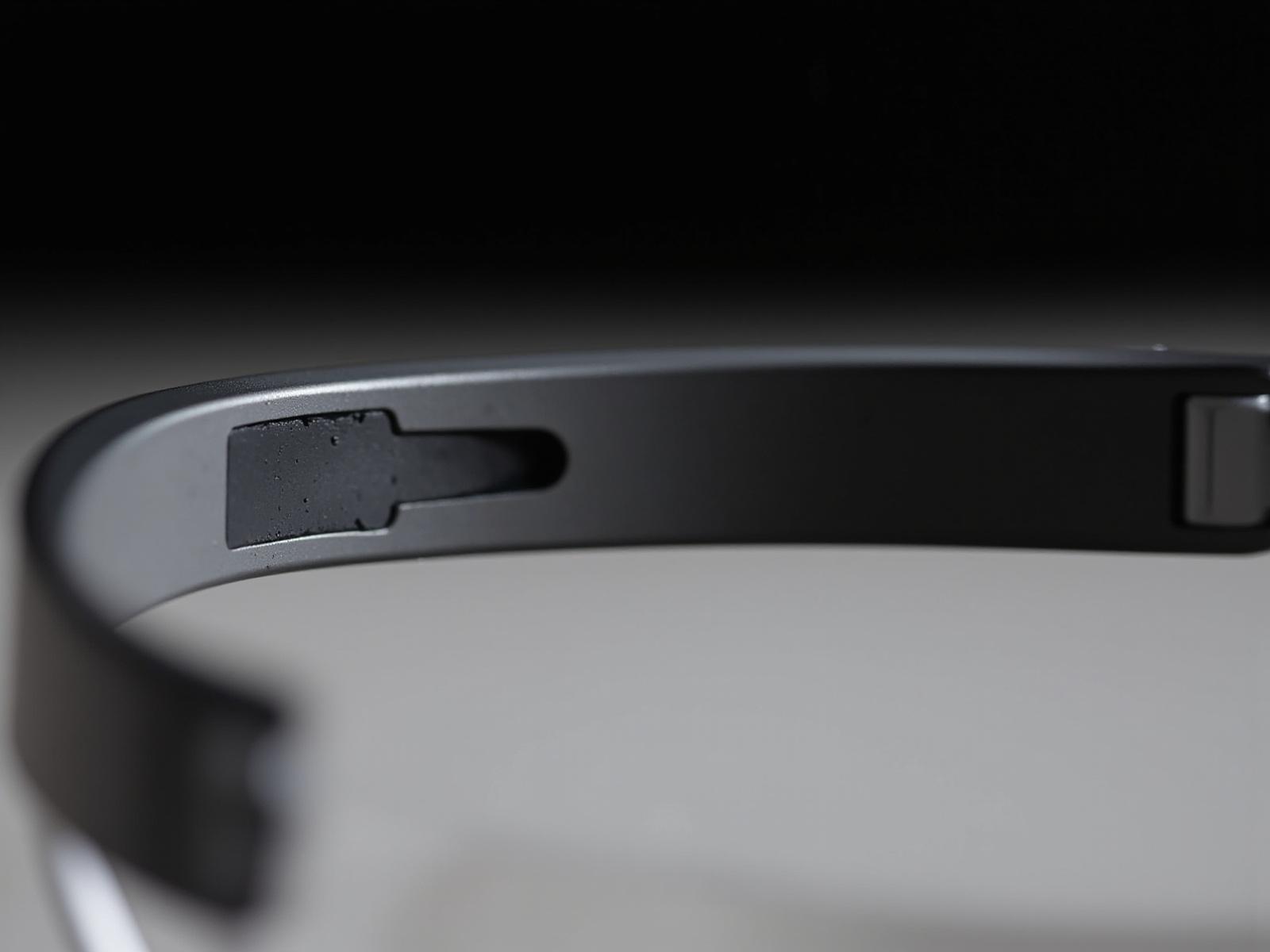
A reorderable audio platform is defined by four engineering balances. Open-ear leakage versus output: directional speakers aim sound toward the ear while limiting what neighbors hear; pushing maximum volume destroys privacy and call quality in shared spaces. Microphone architecture versus wind: call quality fails outdoors when mic placement and wind handling are afterthoughts, which is why the audio guide treats microphones as half the product. Battery honesty: a mixed-use endurance profile stated with conditions (the battery guide explains the test profile) beats a single maximum that returns as one-star reviews. Weight and fit: all-day wear punishes every extra gram; the wearing-experience math is unforgiving in a way table specs never show.
Buyers evaluating the catalog family should start from the Bluetooth audio glasses category, and compare the production platforms directly on the three-family comparison.
The Claims Trap That Erases Margin
The fastest way to lose the audio opportunity is listing overreach. "Studio sound," "all-day battery," "waterproof," "noise-cancelling" used without qualification — each triggers marketplace scrutiny or disappointed returns, and both are paid from the margin a good product earned. Defensible language is specific: open-ear acoustic architecture as designed, endurance under a named profile, the actual tested IP mark for sweat and rain. CYNRIN's review discipline — matching every sentence to a test receipt — is documented on the marketing claims policy page, and distributors report fewer suppressed listings when they adopt the wording pack rather than freestyling at launch.
A second trap is certification drift: audio glasses are still radio equipment, carrying CE-RED, FCC and the other wireless obligations of the destination market, plus Bluetooth SIG qualification for the Bluetooth marks. These are standard, predictable items — but they belong to the shipped configuration, and late market additions cause exactly the filing delays described in the certifications guide.

Why the Private-Label Tier Fits This Family
Audio glasses are unusually well suited to the 500-unit catalog private-label tier because the platform is proven: hardware exists, certification exists, and the buyer's differentiation is branding, packaging and channel presentation rather than engineering risk. Brands that want custom cosmetics move to the 1,000-unit OEM tier; only programs with genuinely differentiated acoustic or optical ambition need the full 3,000–5,000-unit ODM arc. Tier mechanics and timing are on the MOQ page, the private label guide and the development process timeline.
This matters for cash planning: the anchor family can launch fast and lean, freeing capital and calendar for the channel-specific extender a season later — instead of spending the entire budget on custom tooling for a product category the brand has not yet sold.
Quality Expectations Audio Buyers Should Write Down
Audio failures are uniquely public: a pairing dropout during a call is noticed immediately and reviewed immediately. Procurement should specify the functional check coverage in production (pairing, playback, microphone, charging through the aging stage), the AQL structure at outgoing inspection, and cosmetic standards for a device worn on the face. These are not unusual asks — they are the standard system described on the in-process quality page, and the supplier question set that verifies them is in the quality questions article.
RF stability deserves explicit mention: reconnection behavior with a phone in a pocket or bag is the most common everyday "quality" complaint in audio wearables, and it is testable. Ask what RF and Bluetooth stability verification the configuration undergoes rather than discovering it from early review text.
Seasonality and the Booking Discipline
Demand skews toward gifting and travel seasons, which concentrates production bookings in the same pre-holiday window as every other consumer-electronics category. Audio programs win or lose at booking discipline: confirmed PI releases long-lead material and reserves aging capacity, and a rolling forecast across colorways keeps reorder runs fast. Capacity mechanics — and why a verbal slot reserves nothing — are on the production capability page, with dates on lead times.
Frequently Asked Questions
Are audio glasses competing with earbuds?
They coexist rather than replace: open-ear glasses keep the user aware of surroundings and remove insertion friction, suiting calls, navigation and ambient listening; earbuds remain the choice for isolation and focused media. Buyers position them as an addition to the audio-wearables shelf, not a substitute.
Which customers buy the first units in a new market?
Typically existing glasses wearers already comfortable with audio wearables — commuters, professionals on calls, and gift buyers. Camera features create new demand pools; audio quality serves an existing one, which is why adoption is faster and review language is more grounded.
Is one platform enough for the anchor range?
One proven platform in two colorways covers most first-season programs cleanly: shared certification, shared tooling, focused reorder data. A second audio platform is justified when styling tiers (everyday versus premium materials) are genuinely distinct channels rather than shelf duplication.
What margin mistake is most common?
Over-customizing a first order (custom tooling for an unproven channel) and over-claiming in listings (unsupported battery and water language) are the pair that erase margin fastest. Proven platform, branded presentation, substantiated wording — that sequence compounds.
For the commercial planning context, see the market insights desk; to turn the anchor-family strategy into a dated plan with MOQ, certification and slot details, start an RFQ at request a quote with the target market, colorway mix and launch month.