Product format
Choose a sport-camera, Bluetooth-audio or cycling-led eyewear direction.

SPORTS & CYCLING BRANDS
Build an active-use eyewear line around documented camera and open-ear audio platforms for cycling, running and outdoor product directions—from product selection and customization review to validation and production.
Discuss Your Requirements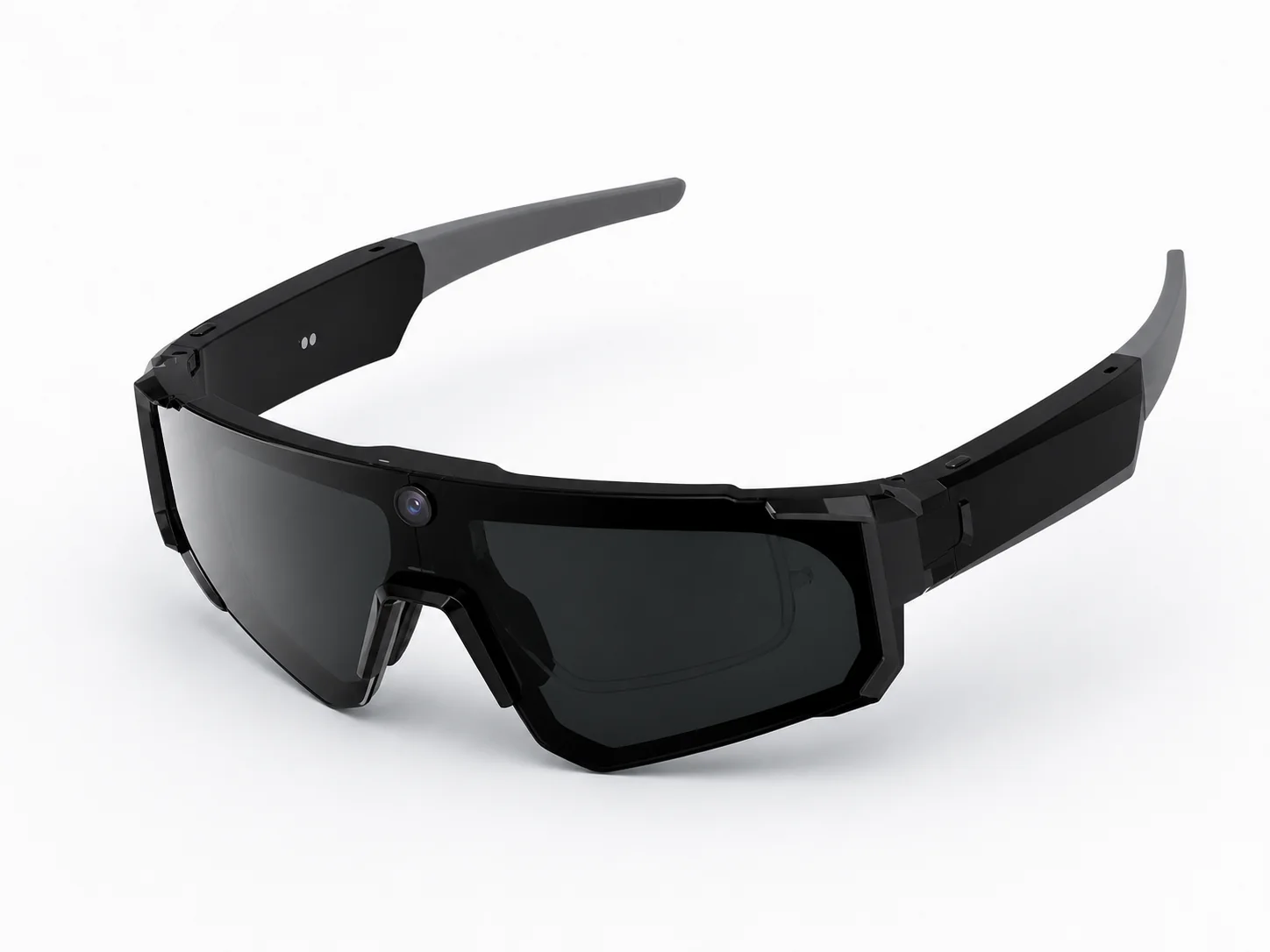
ACTIVE-USE PRODUCT DECISIONS
Active-use products begin with practical choices: how the eyewear will be used, which function should lead and which platform fits the target market.
Choose a sport-camera, Bluetooth-audio or cycling-led eyewear direction.
Define whether hands-free capture, open-ear audio or both should lead the concept.
Review sports-frame, lens and color options against the selected product.
Describe the intended cycling, running or outdoor scenario before model selection.
Align product direction and presentation with the intended market and positioning.
Confirm required recording, Bluetooth-audio and assistant functions by model.
PRODUCT PATHS
Product and protection specifications are confirmed by model. Select the functional direction first, then review the exact configuration.
USE-CASE REQUIREMENTS
Protection level and battery configuration are confirmed by model. Share the intended activity and required functions before technical scope is finalized.
Review supported lens, frame and temple colors, materials and packaging for the selected platform.
Evaluate deeper product changes against the selected platform and confirmed project scope.
Move an approved concept through prototype, validation, trial production and mass production.
PROJECT DEVELOPMENT
Each stage confirms the basis for the next product, engineering or production decision.
MANUFACTURING & QUALITY

Review CYNRIN's manufacturing capabilities and project workflow.
Explore Manufacturing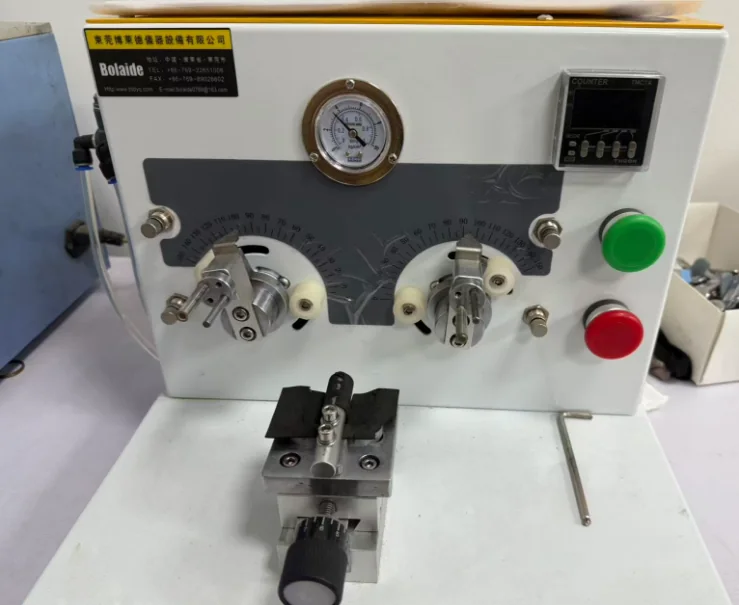
Review the functional, mechanical, environmental and aging test framework.
Explore Quality ControlWHAT TO SEND US
These inputs create a practical basis for platform, configuration and project review.
Activity engineering
Cycling, running and outdoor brands win on fit under motion, honest weather behavior and endurance measured in active-use profiles. Here is how those requirements become a product brief.
Retention and fit come before electronics. A sport frame is bounced, sweated on and pushed under helmets for hours; if it slips or presses, no camera feature saves the review. Temple geometry, nose contact and weight distribution are validated on real head shapes during the sample round, and the activity-specific checklist — IP, fit and endurance matched to the sport — is in the sports glasses buyer checks. The full cycling-market requirements, including lens and visibility expectations behind repeat orders, are in the cycling glasses wholesale guide.
Match the ingress rating to real exposure. Most road, trail and running use cases are honestly served by splash-level protection; what damages trust is implying a rain-tested frame is swim- or shower-safe. What IP54 specifically means — and the difference between dust-protected and dust-tight — is decoded in the IP54 article, with the complete scale on the IP ratings guide and the method for reading a supplier's test report in the report-reading article.
Specify endurance the way athletes use it. Mixed capture, open-ear audio and bright-screen operation shorten runtime far below an idle maximum, so the datasheet should state endurance under the active profile, not a ceiling number — the methodology is in the battery life guide. Lens and tint options, from sport tints to activity-specific packages, are configured through customization and validated against the same sample gate.
Plan the season around production, not the launch event. Sport calendars concentrate around spring and pre-holiday demand, which puts material lead times and pilot validation on the critical path; the phase-by-phase view is in the lead-time guide. Sample units for on-bike and on-trail testing are part of the standing samples process, and running and outdoor adjacency is mapped in running and outdoor applications.
Evidence for the decision
Questions buyers ask
Typical road, trail and running exposure is honestly covered by splash-level protection; the mark should match real conditions and be backed by a valid report for the shipped configuration. Ratings and claims are decoded in the IP54 article — submersion and shower use are outside the standard sport ratings.
They are eyewear first, with either or both functions matched to the activity and channel. Camera-led lines sell to capture and creator customers; audio-led lines sell to riders and runners who want calls and music while staying aware. The cycling guide maps which configuration reorders in each channel.
Yes — sport tints and lens packages are configured per program and validated in the sample round alongside fit and function. The available options and artwork process are handled through customization; configuration-specific combinations are confirmed in the quotation.
Branded OEM on an established sport platform starts at the standard branded tier; custom sealing, tooling or firmware moves the program toward the ODM tier and its larger commitments. See the MOQ page for the tier structure.
Yes — evaluating fit under helmets, retention under motion and weather behavior on actual rides and runs is exactly what the sample round is for, including small unit ranges on request. Process and timing are on the samples page.
START A CONVERSATION