Product Category Selection
Identify which documented camera, audio, sport, kids or AR direction fits the program.

DISTRIBUTORS & RETAILERS
Review documented smart eyewear categories and established product platforms according to market, channel and packaging requirements—with OEM/ODM, manufacturing and quality verification aligned to the confirmed project.
Discuss Your Requirements
 KIDS
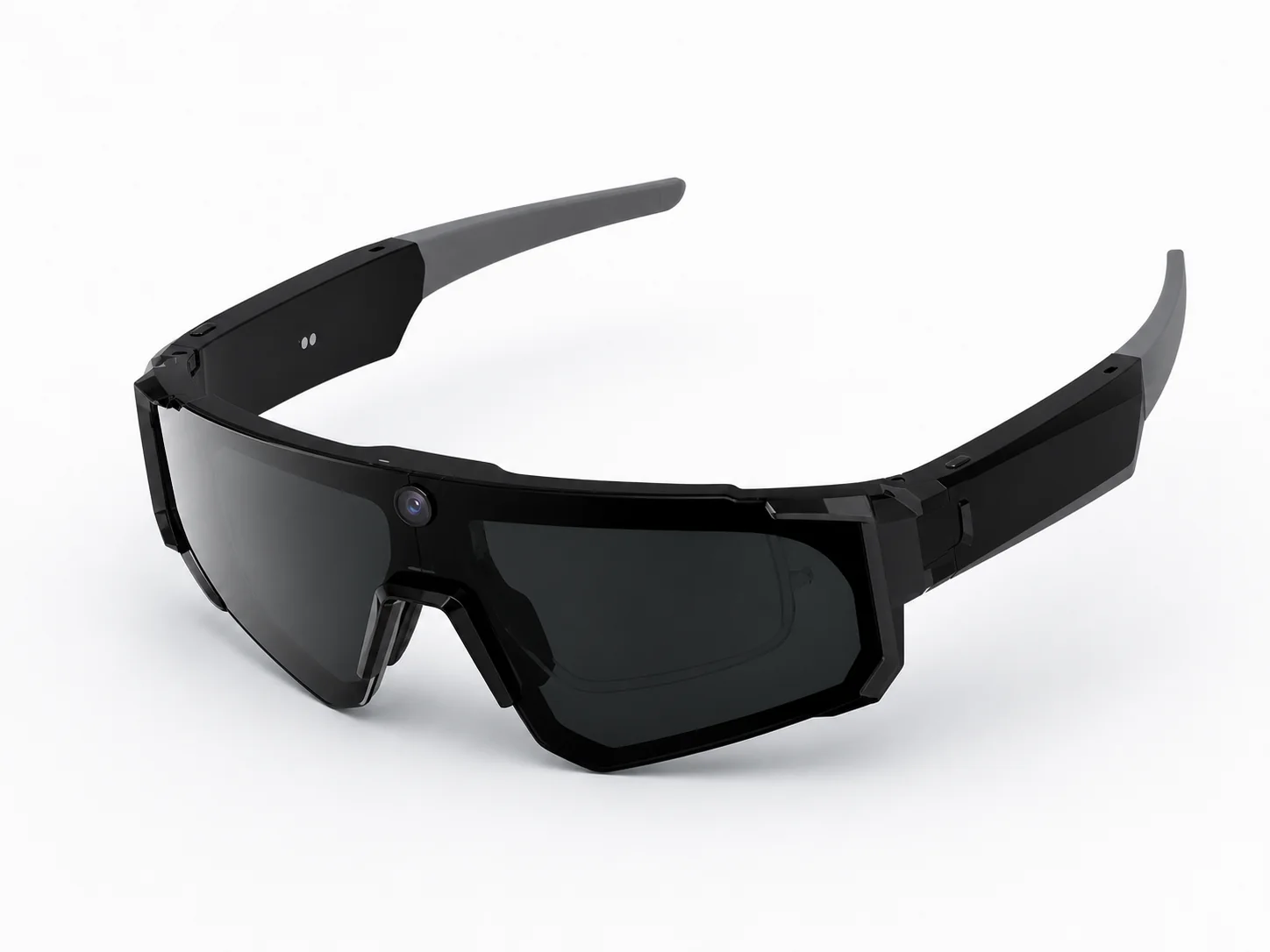 SPORT
BUYER DECISIONS
A focused brief connects product selection with the target market, channel, presentation and commercial review.
Identify which documented camera, audio, sport, kids or AR direction fits the program.
Share the intended country or region so product and certification availability can be reviewed.
Explain the intended wholesale, distribution, retail-chain or supermarket channel.
Confirm the required functions and selected model before commercial review.
Define the approved packaging-box and product-presentation requirements for the project.
Provide expected order quantity and target timeline for MOQ, pricing and lead-time review.
PRODUCT PORTFOLIO
Multiple documented product categories and models can be reviewed according to buyer requirements.
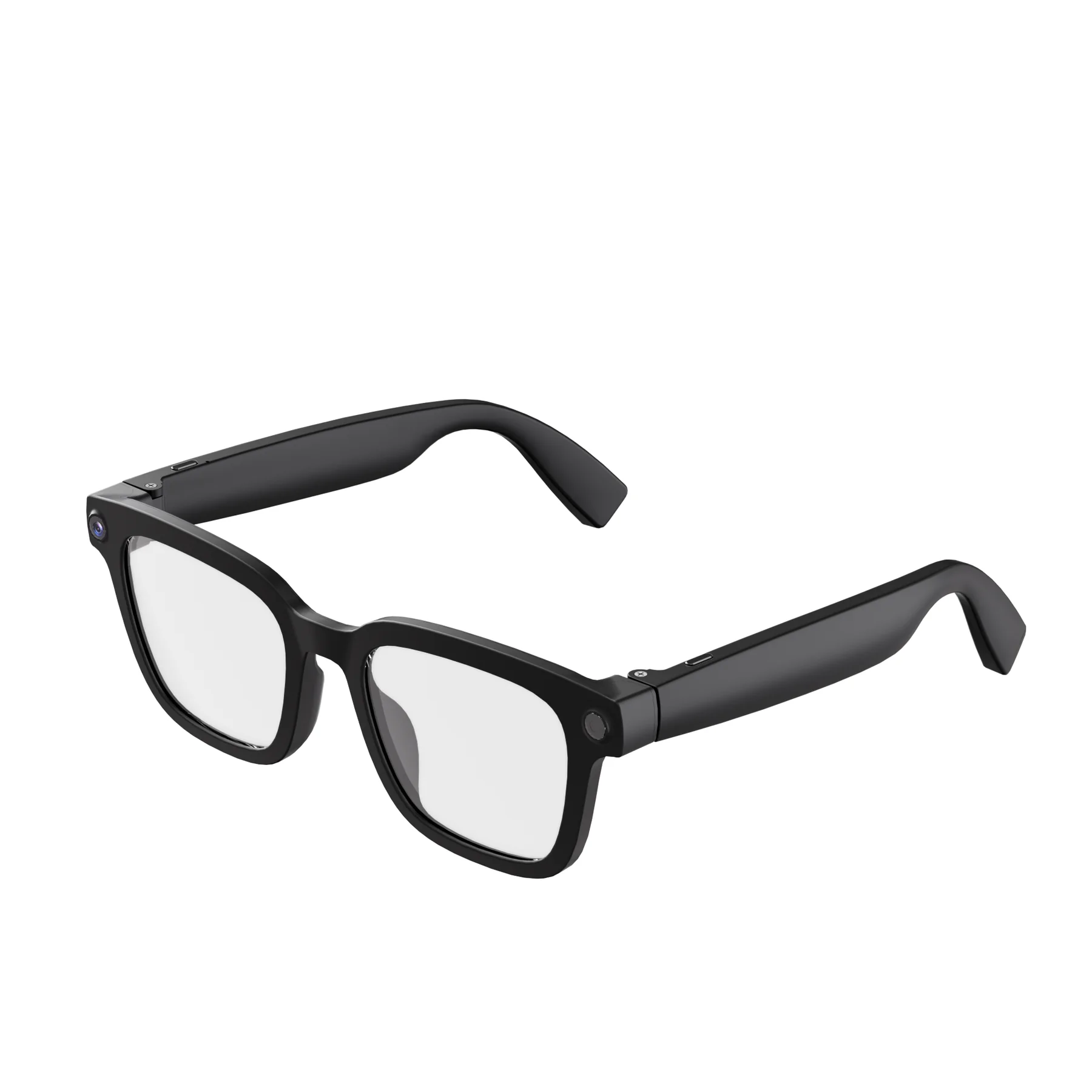 REAL PRODUCT01
Review documented camera platforms for first-person capture, open-ear audio and model-specific smart functions.
Explore ProductCompare established open-ear audio product directions for music, calls and model-specific assistant functions.
Explore Product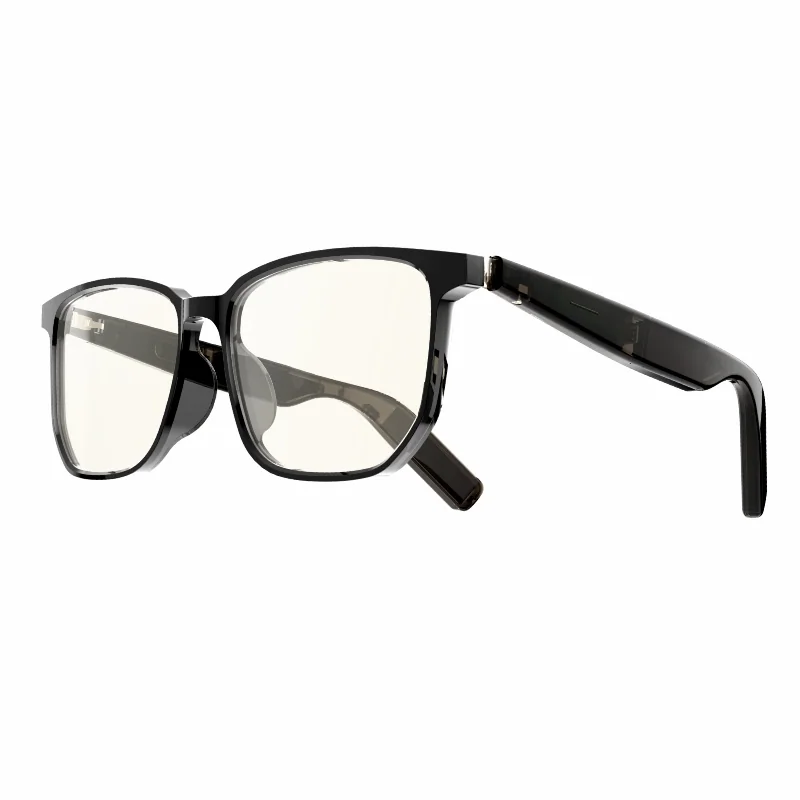 REAL PRODUCT03
Review documented Bluetooth audio models across optical, fashion and active-use eyewear forms.
Explore ProductREAL PRODUCT04Evaluate sport-camera and Bluetooth-audio directions according to the intended activity and selected model.
Explore ProductREAL PRODUCT05Review the documented kids product category with exact product and market requirements confirmed by project.
Explore Product REAL PRODUCT06
Evaluate near-eye display, prompts and translation according to the selected product configuration.
Explore ProductPRODUCT MIX & MARKET FIT
Product direction can be reviewed according to target market and channel requirements.
Final product selection is confirmed according to the selected model, required functions, product presentation and project requirements.
Country, region and intended buyer segment
Distribution, wholesale, retail-chain or supermarket context
Category, selected model and required functions
Product configuration and approved packaging direction
Customized packaging boxes are available for approved projects.
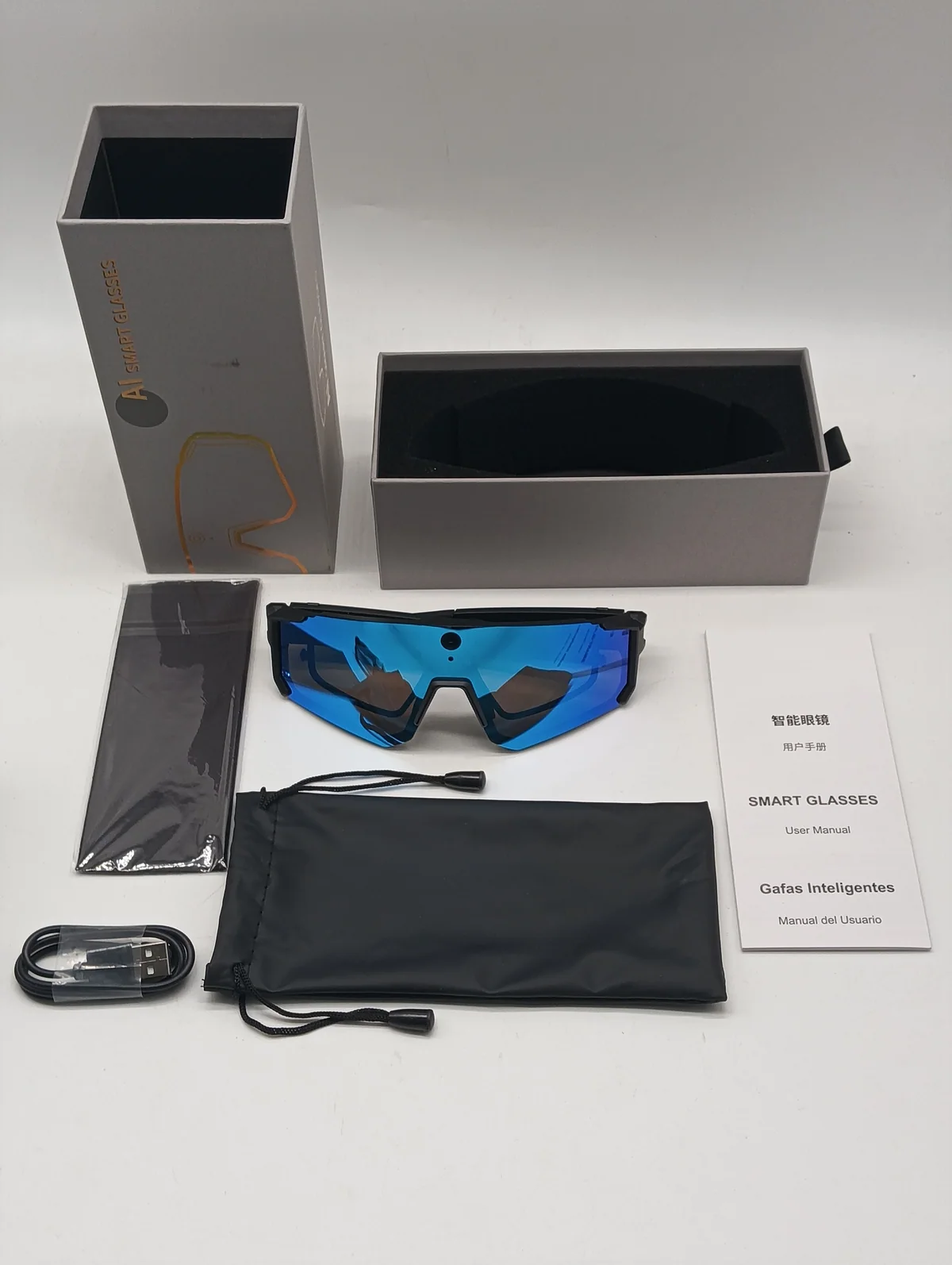 02PACKAGING EXAMPLE
Packaging presentation is reviewed according to the selected product and project.
Packaging, labels and approved packaging specifications can be checked before delivery.
Retail packaging and brand presentation requirements can be reviewed during project confirmation.
OEM / ODM
The exact scope depends on the selected platform and approved project requirements.
Review approved colors, materials and packaging-box options for an established platform.
Evaluate supported product, system or software adjustments against the selected platform.
Move a confirmed requirement through prototype, validation, trial production and mass production.
ORDER & PROJECT WORKFLOW
COMMERCIAL REVIEW
MOQ and lead time are confirmed by product model, quantity and project requirements.
Pricing is reviewed according to product configuration and order quantity.
MANUFACTURING & QUALITY

Review the manufacturing workflow from assembly and material management to finished-goods coordination.
Explore Manufacturing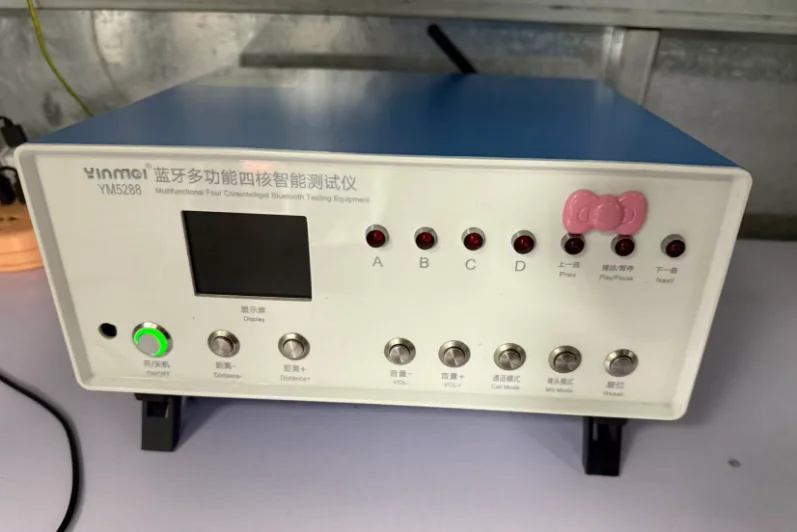
Review functional, mechanical, environmental and aging-focused quality checks.
Explore Quality ControlDOCUMENTATION & CERTIFICATION
Certification availability is confirmed by product model and target market.
AFTER-SALES
After-sales handling follows the confirmed product and project arrangement.
WHAT TO SEND US
These inputs create a clear basis for product, packaging and commercial review.
Distribution economics
Distributors do not win a category by ordering the most models — they win by shipping a focused, document-complete assortment and reordering before stock breaks. The four disciplines below describe how working smart-glasses programs are actually run.
Build a trial shelf, not a catalogue bet. The mature OEM-ready platforms enter at 500 pcs across three families — AI camera, Bluetooth audio and sport — so a first purchase can carry two or three reference models instead of twenty speculative SKUs. Assortment logic follows the served channel: camera frames sell through content-led channels, audio frames carry the broadest everyday and gifting demand, and sport frames serve active-use seasons. The category sequencing evidence is in camera versus audio for a first launch, and the standing tiers are on the MOQ page.
Treat the document pack as part of the product. Retailers and importers are the economic operator regulators contact, so every shipment needs the market-specific file complete at listing time: radio evidence, the GPSR operator and traceability layer for the EU (summarized in the GPSR guide), local-language labeling, and the lithium-battery shipping documents explained in the battery shipping article. The market-by-market index is the compliance center; choose the zone with select your market.
Plan cash and reorders around real calendars. Reference samples arrive in 5–15 days and approved catalog configurations typically move through mass production in 15–40 days, plus freight — reorder windows must open before shelf stock breaks, not after. Commercial terms follow the same staged logic, covered on the payment terms page; lead-time detail lives on the lead times page and freight modes on shipping and logistics.
Pre-agree support before the range goes on sale. Distributors feel after-sales faster than factories: spare-unit ratios, defect acceptance criteria and response commitments should be written into the first contract, using the gates on the in-process quality page as the shared standard. The standing support terms are on the after-sales page, and the written protections for a first order are collected in the first-order checklist. Demand framing and why single market-size numbers mislead reorder plans is in the market data guide.
Evidence for the buying desk
Questions distributors ask
Start narrow: two or three ready models spanning the camera, audio and sport families at the catalog tier rather than a wide speculative order. Let sell-through from the first season set the reorder mix — the category logic is laid out in the category comparison article.
The importer or distributor placing the goods on a market carries the economic-operator duties there; CYNRIN supplies the configuration-specific evidence file, and the program plan names which documents and local-language labels apply per destination. Start from the compliance center and confirm the file before listing.
Mixed-model orders are standard within the ready tier as long as the aggregate reaches the entry minimum and finish options stay within the platform's approved range. The exact breakdown per model is confirmed in the quotation rather than promised generically.
Work backwards from sales velocity: catalog mass production typically runs 15–40 days after approval plus freight, so the reorder should open with several weeks of cover remaining. Seasonal programs should reserve capacity ahead of the peak window — see the lead times page.
Acceptance criteria, defect classes, spare-unit ratios and response time are agreed in the purchase contract against the standing quality gates, so warranty handling does not depend on ad-hoc negotiation after delivery. Terms and process are on the after-sales page.
START A DISTRIBUTION PROJECT