Product platform selection
Compare established camera, audio, AR and sport-camera directions against your target market.

CONSUMER ELECTRONICS BRANDS
Extend your AI and smart-device portfolio through documented camera, open-ear audio, translation and smart-interaction product directions—supported from platform selection and OEM/ODM review through sample validation and production.
Discuss Your Requirements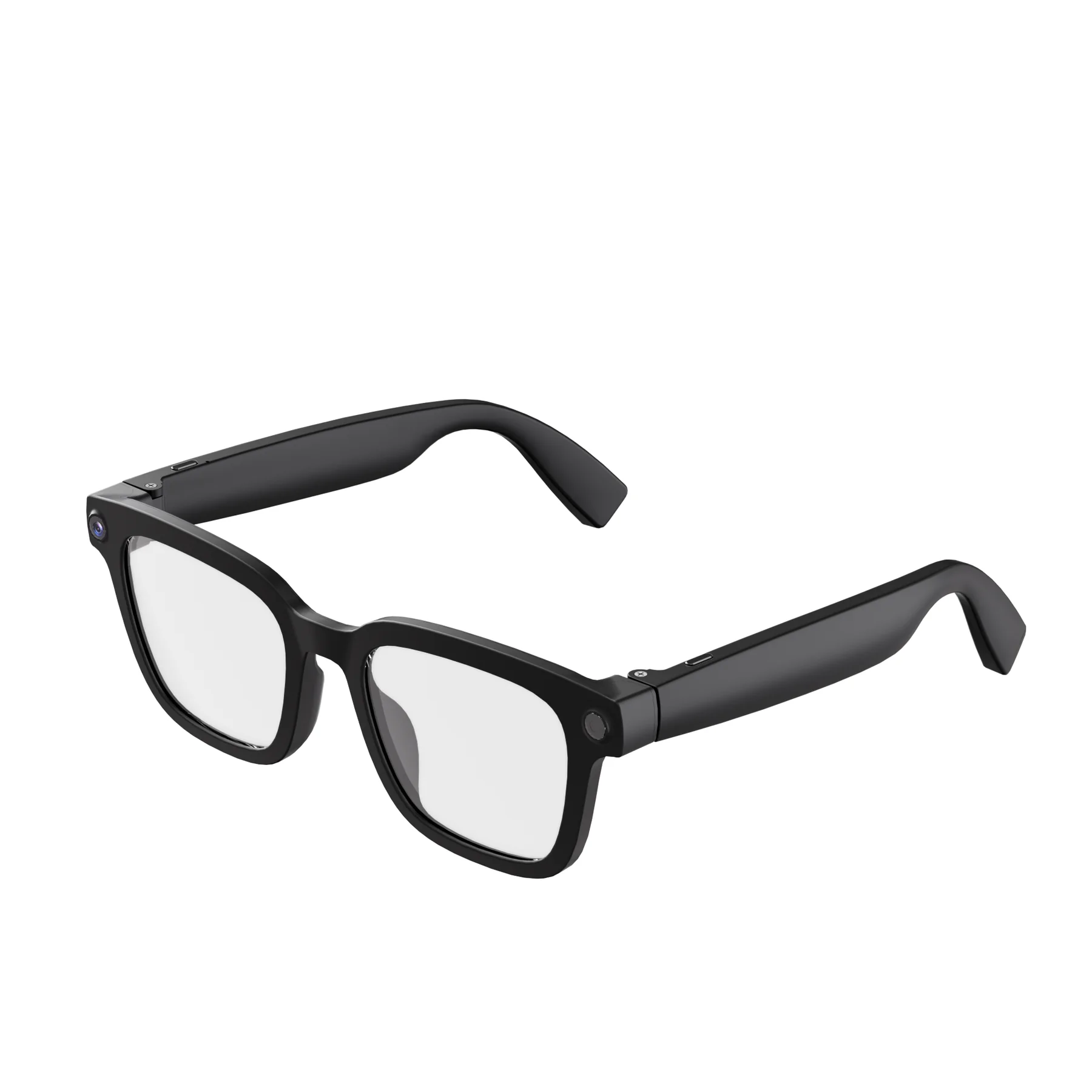 AI CAMERA / V03-T5
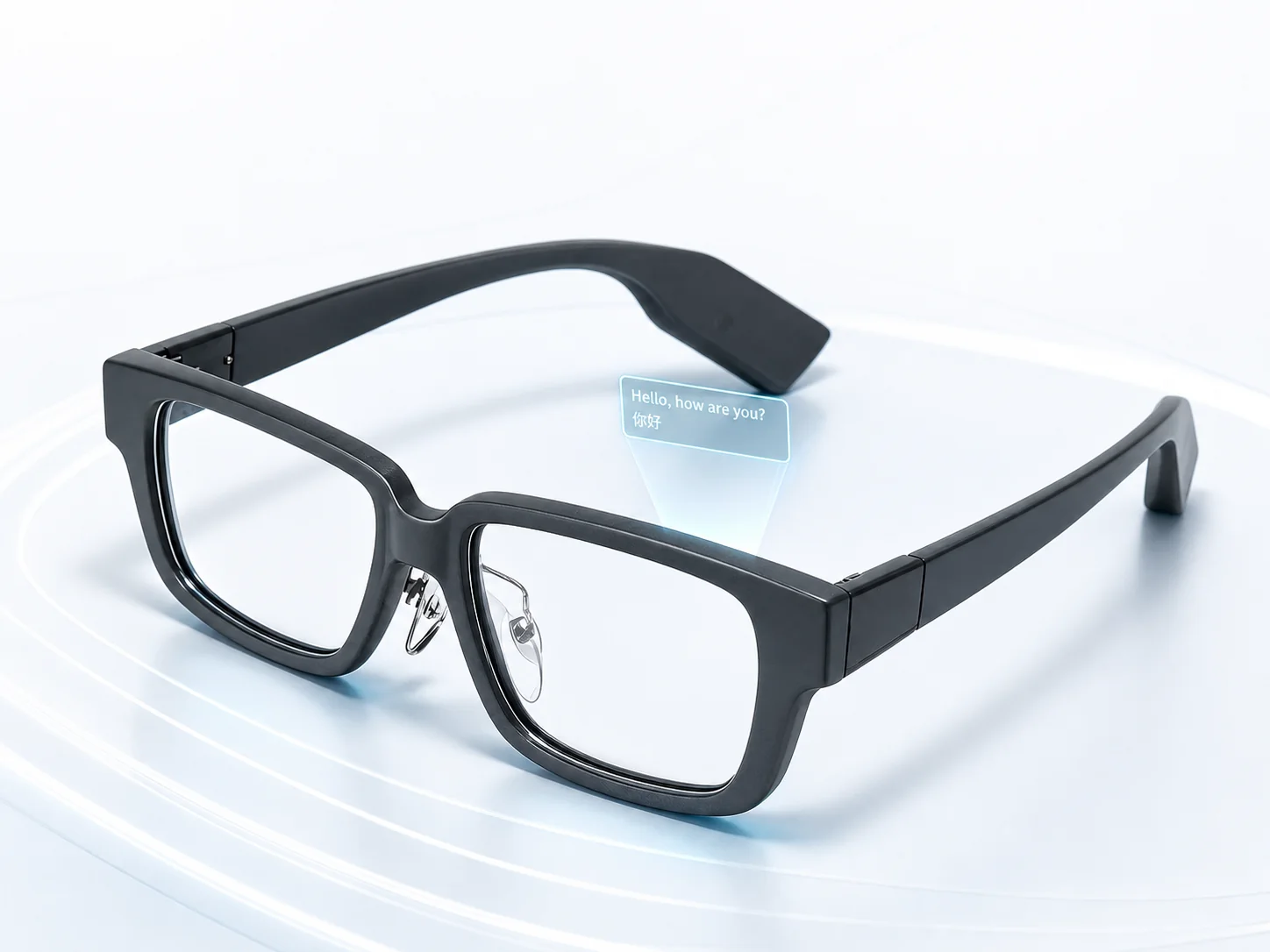 AR / TRANSLATION
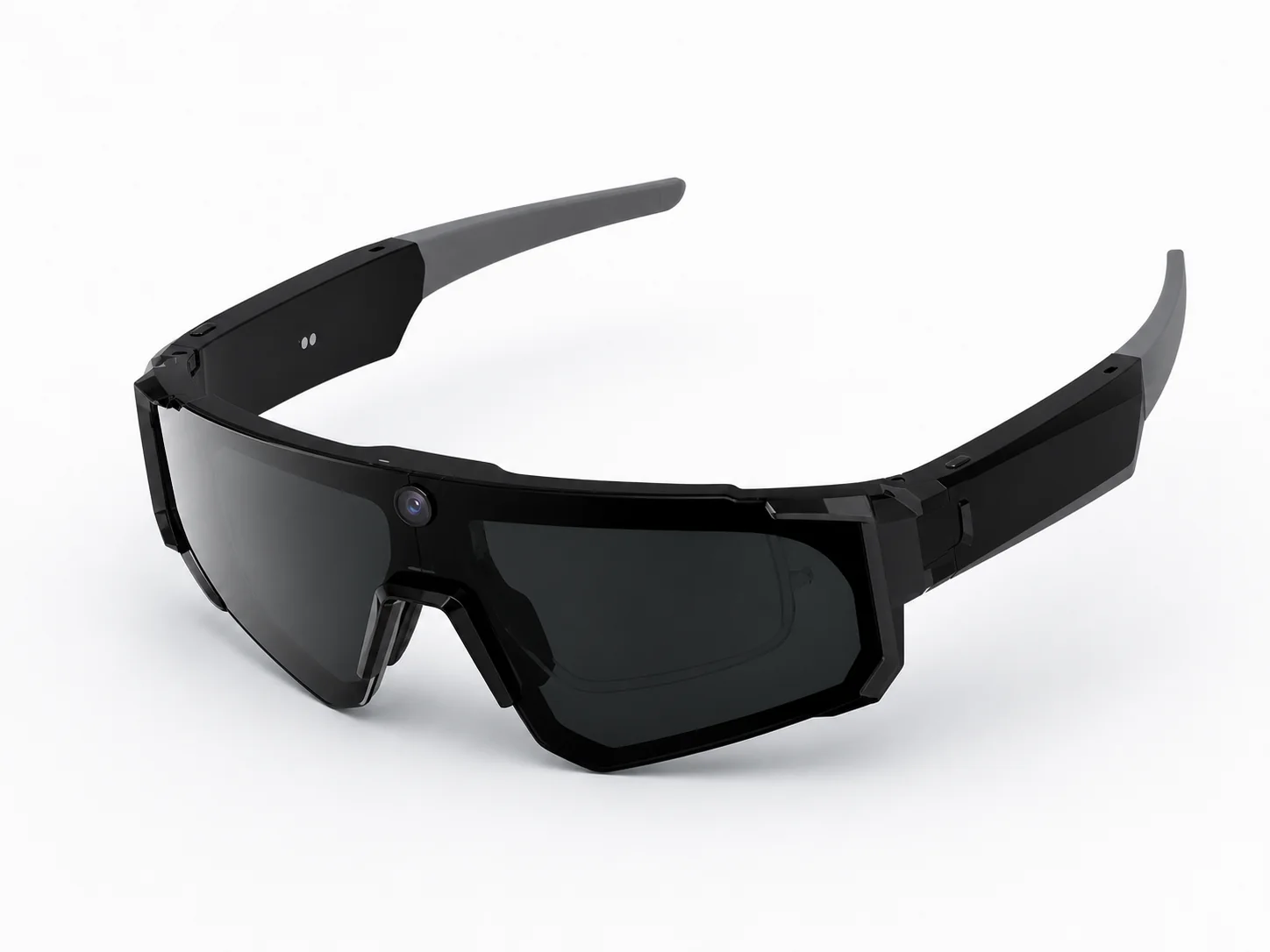 SPORT CAMERA / V06
FROM PRODUCT IDEA TO A VIABLE PLATFORM
The first step is not choosing every feature. It is aligning the intended market, product direction and supported configuration before samples and production.
Compare established camera, audio, AR and sport-camera directions against your target market.
Define the role of capture, open-ear audio, translation and smart interaction in the product concept.
Review system or software changes only where supported by the selected product platform.
Use samples or prototypes to confirm the approved configuration before production introduction.
Move a confirmed product and configuration into an organized manufacturing workflow.
Select a product direction according to the intended market, positioning and required functions.
PRODUCT PATHS
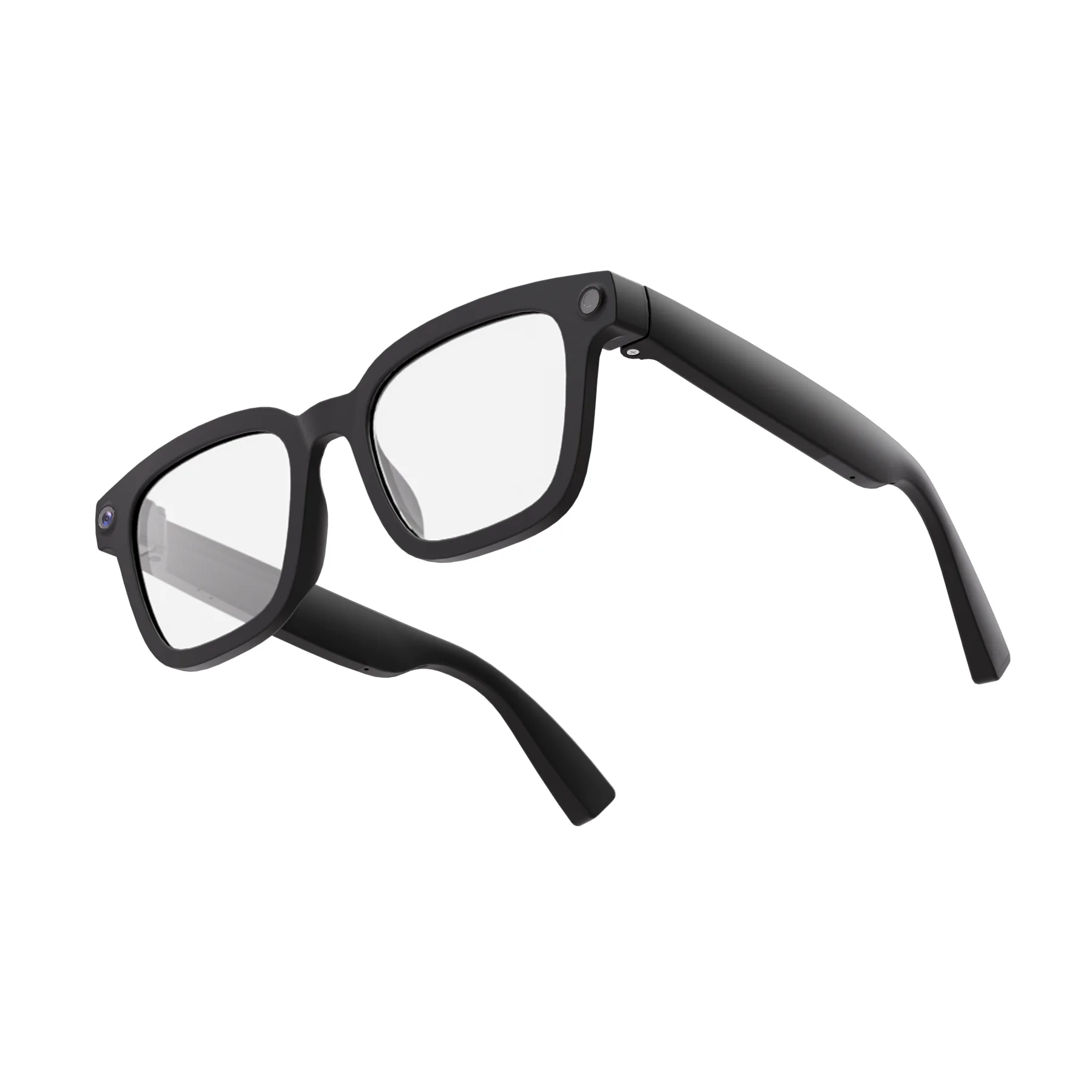
Review approved colors, materials and packaging options for an established product platform.
Evaluate Bluetooth naming, system changes and software upgrades where supported by the platform.
Develop a confirmed requirement through prototyping, sample testing, trial production and mass production.
PROJECT DEVELOPMENT
Each stage confirms the basis for the next project or production decision.

Explore CYNRIN's manufacturing overview, assembly capabilities and production workflow.
Explore Manufacturing
Review the functional, mechanical, environmental and aging test framework.
Explore Quality ControlWHAT TO SEND US
These inputs give both teams a practical basis for product and project review.
Program economics
The brands that treat smart glasses as a category decision outperform the brands that treat them as a feature checklist. The four paragraphs below describe how first-season programs are actually structured.
Start from the category, not the feature list. A consumer-electronics portfolio can extend into camera-first capture glasses, open-ear audio frames, sport camera lines or display-led translation concepts — but they buy for different customers, return for different reasons and need different marketing engines. Choosing the first category against your existing channel is the single highest-leverage decision in the program; the commercial comparison is laid out in camera glasses versus audio glasses.
Reuse a platform across the price ladder. Established camera, audio and sport platforms share validated mechanical, radio and firmware architecture, which lets one program span entry and premium configurations without re-running first-generation engineering. The economics — and the questions that separate real platforms from parts lists — are in product platforms beyond the BOM. A focused two-platform launch consistently beats a five-platform catalogue in a first season because it keeps certification, accessory and support footprints coherent.
Treat compliance as a launch gate, not a finish-line check. EU programs need the operator and traceability layer of the GPSR regime in parallel with CE/RED evidence — including the cybersecurity assessment described in the EN 18031 article — while marketplaces enforce document completeness at listing time. The full certification inventory is in the certifications guide; building the file before artwork is finalized prevents the most common launch slip.
Let the first order prove the assortment. Catalog platforms enter at lower minimums, branded OEM at the next tier and custom ODM at committed volume; the tier arithmetic is on the MOQ page. Samples validate the frozen configuration before deposit, and the fifteen written points that protect a first purchase order are collected in the first-order checklist. Reorder data — not a launch spreadsheet — should decide the second-season SKU expansion.
Evidence for the decision
Questions buyers ask
It depends on the channel you already operate: camera glasses suit creator-led distribution and content marketing, audio frames fit the broadest everyday and gifting channels with a simpler support story. The decision framework is in the category comparison article, and most brands sequence the second category only after first-season reorder data.
Yes — spanning price tiers with finish, packaging and accessory differences on a shared validated platform is a standard way to build a coherent range without multiplying certification and tooling cost. The limits are the platform's architectural ceiling; the distinction between platform reuse and SKU sprawl is explained on the platform article.
Catalog configurations enter at the lowest tier, branded OEM (logo, packaging, manuals) at the next tier, and custom ODM work — tooling or firmware — at committed volume. The current tiers and what each buys are on the MOQ page; exact figures are confirmed per configuration in the quotation.
Available evidence is identified per platform and configuration; destination-specific filings (EU RED and GPSR, FCC, SIG and others) are scoped in the program plan with responsibilities and calendar stated. Start with one regulatory zone complete rather than three zones with gaps — see the compliance center.
Catalog and branded programs move fastest; custom development follows a staged calendar running several months from scope through samples, validation, pilot and mass production. The indicative timeline with buyer checkpoints is on the development process page, and freight and dangerous-goods handling should be booked inside that calendar from the start.
START A CONVERSATION