
Professional · Security & Field Work
Smart Glasses for Connected Outdoor Operations
Keep field and security personnel eyes-up and connected: hands-free reporting, first-person evidence capture and remote coordination on eyewear built for outdoor, all-weather shifts.
Why connected eyewear
Why connected eyewear for field operations
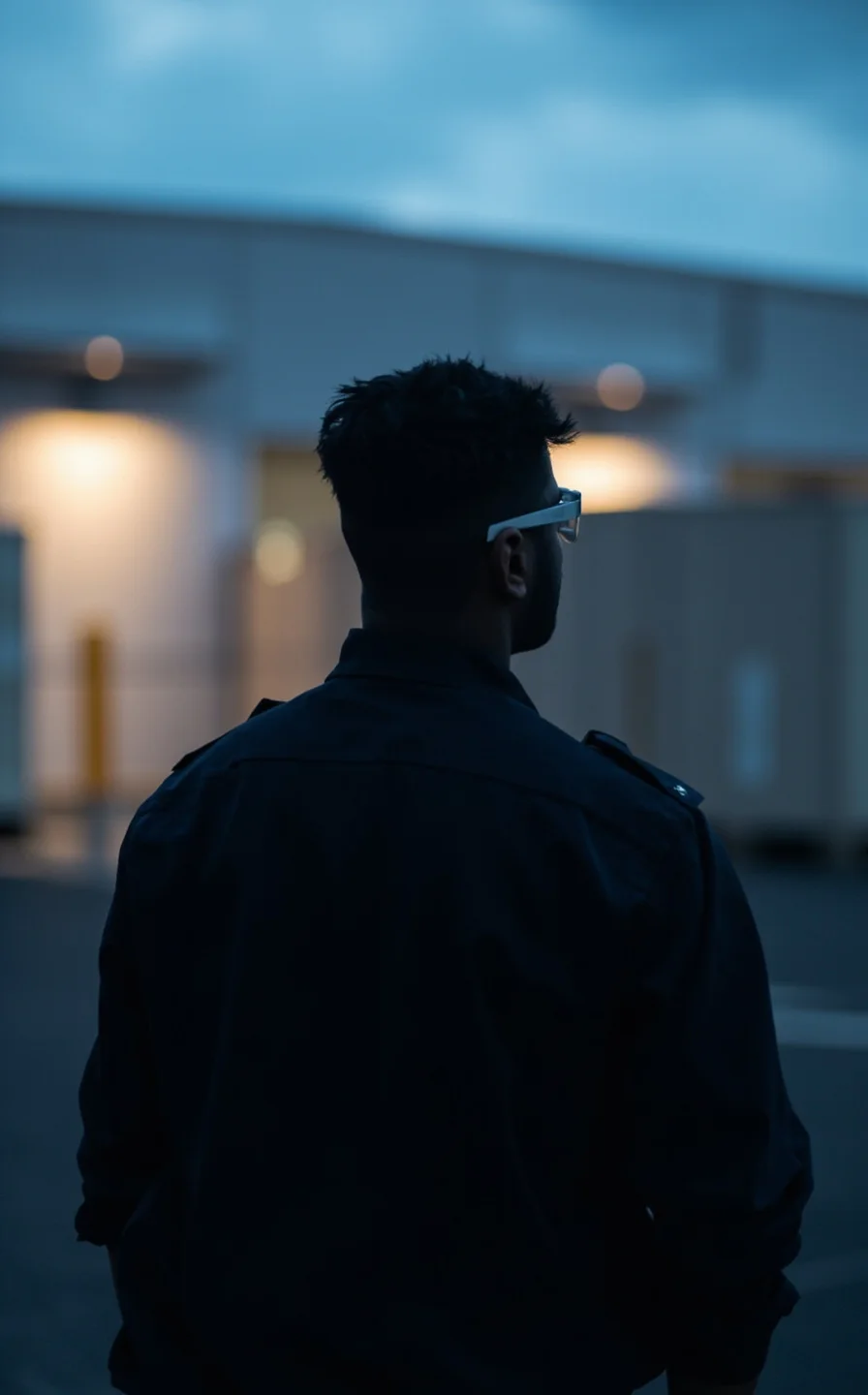
Field and security work demands situational awareness and free hands. Head-worn capture and audio let personnel document and communicate without looking away or holding a device — while wearing the eye protection they already need.
- Connected outdoor operations. Calls, coordination and situational cues while the wearer keeps their head up.
- First-person reporting. Incidents and site conditions captured from the officer’s point of view.
- Hands-free coordination. Voice and touch controls during active tasks.
- Eye protection first. Built on eyewear that already provides glare and debris protection.
Four workflows, four deep guides
Field and security use cases, examined in depth
Each guide covers how the shift actually runs, what fleet and privacy behavior belongs in the brief, and where CYNRIN’s hardware meets the agency’s evidence, dispatch and safety systems.
Field and security use cases
Field and security use cases
Four outdoor workflows justify a head-worn endpoint. Each full guide covers the shift, a fleet checklist and the legal/evidence boundary.
01
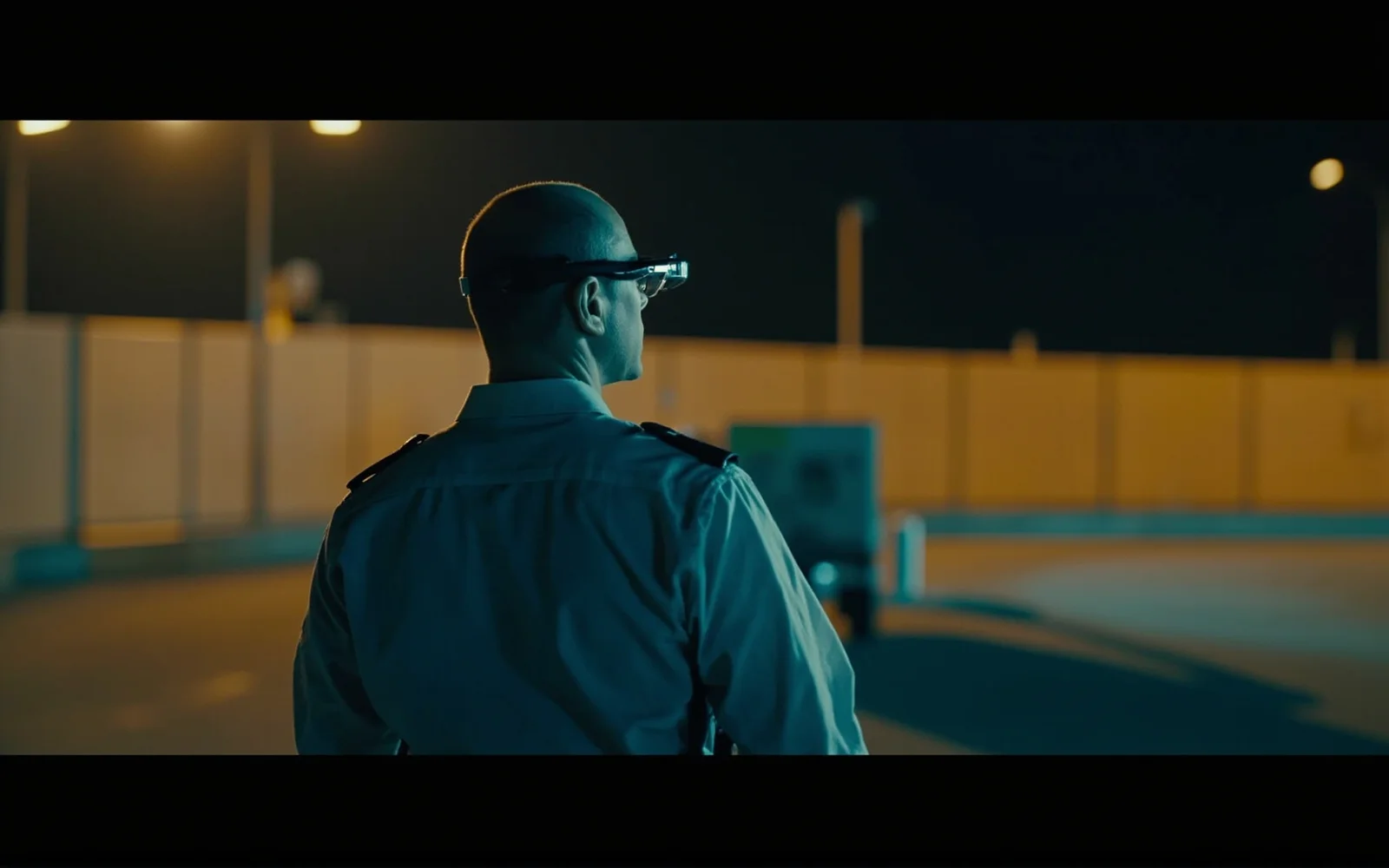
Patrol reporting
Visual notes, observations and completed checks are captured hands-free during the walkthrough, with open-ear audio for radio-style coordination. Read the patrol guide.
02
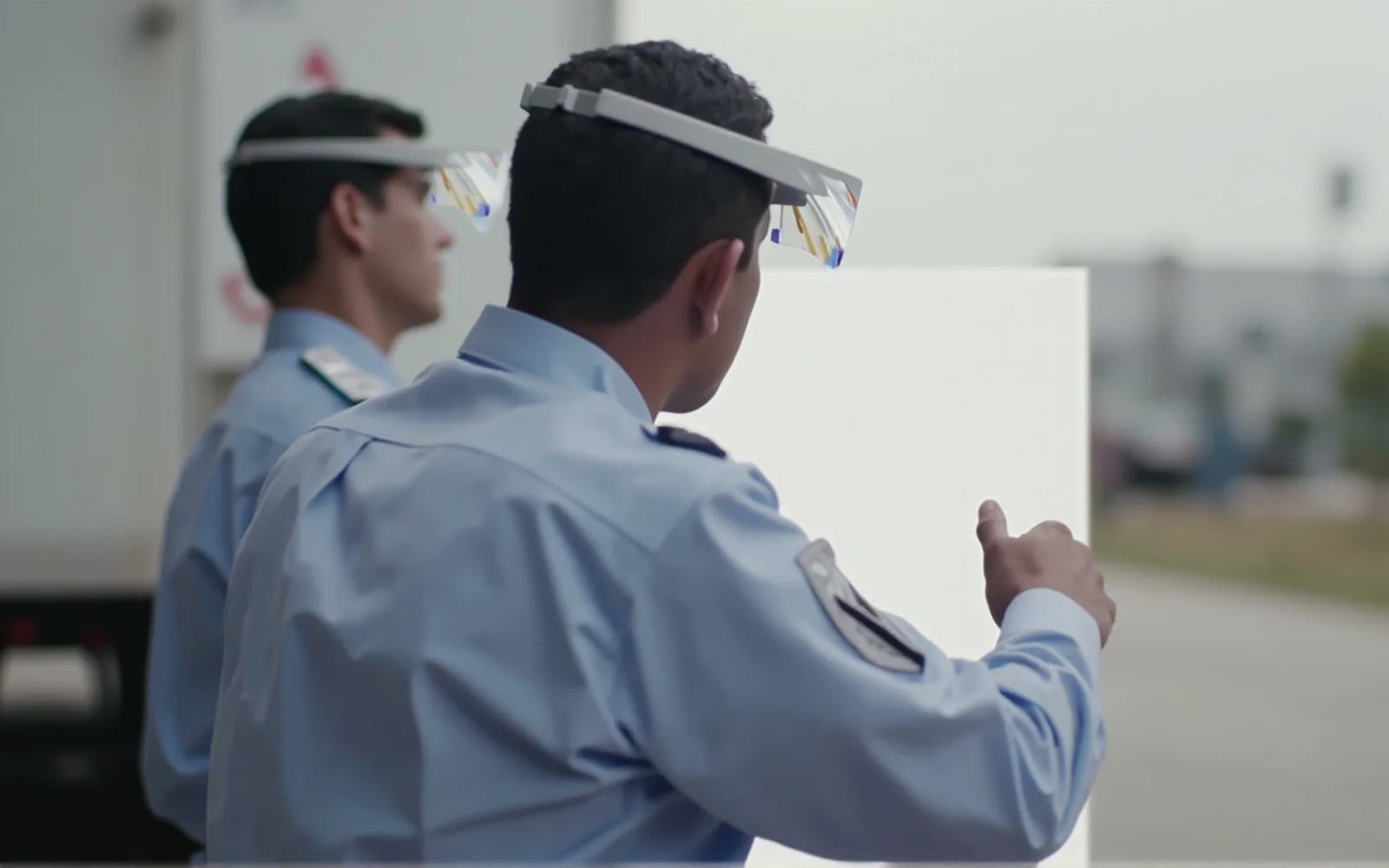
Incident evidence & livestream
First-person stills, clips and, under a custom ODM integration, a remote point of view help supervisors follow an incident as it develops. Read the evidence guide.

03
Lone-worker safety
Hands-free calls and check-in support staff working alone at height, in yards or at remote cabinets; certified lone-worker services stay with the solution provider. Read the lone-worker guide.
04
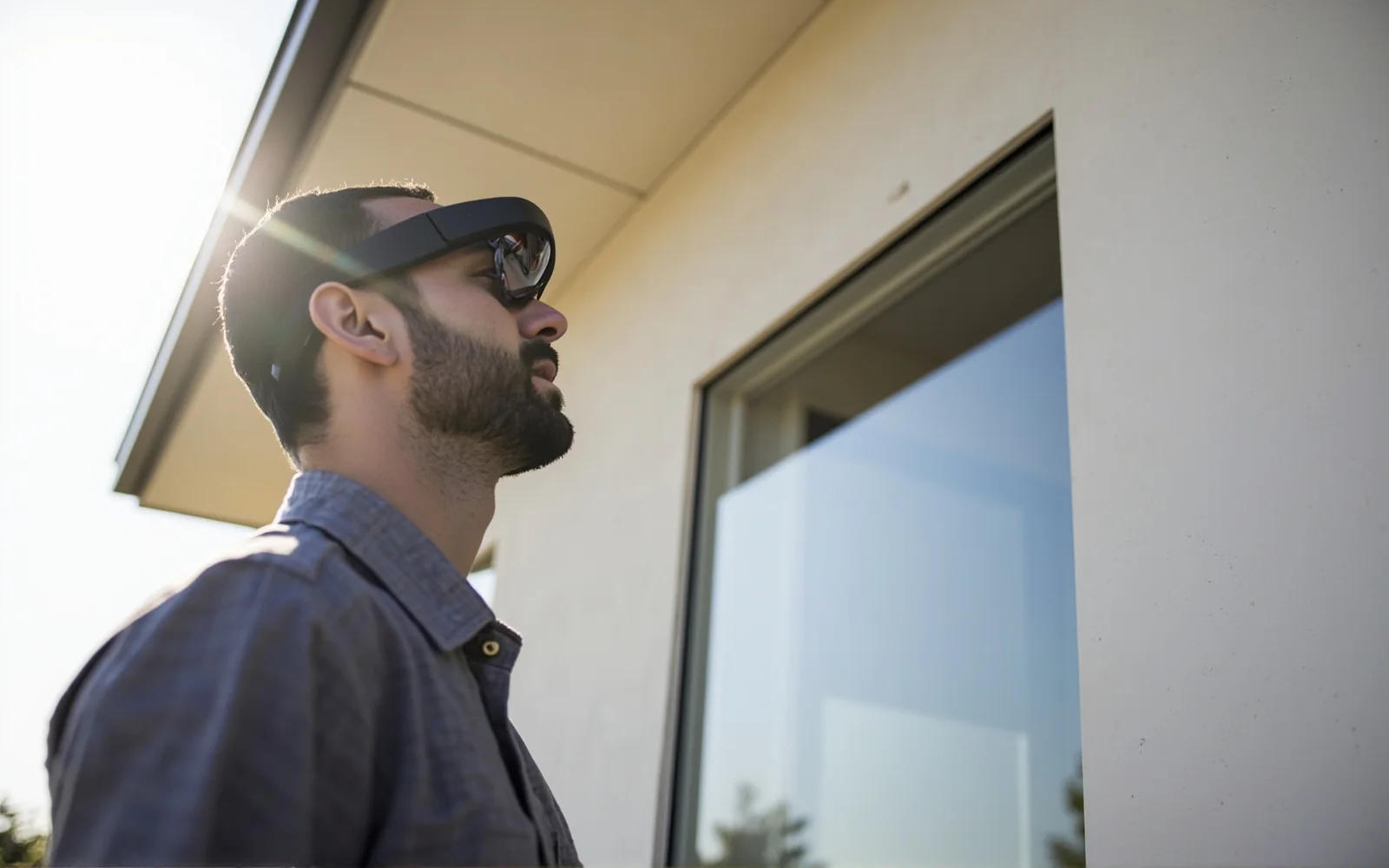
Field & insurance inspection
Adjusters and field inspectors document conditions and assets from a first-person view, reducing rework and trips back to the vehicle. Read the inspection guide.

Operates where the work actually happens
Outdoor visibility, sweat handling and shift-long power are scoped to the deployment, not to a spec-sheet ideal.
Recommended platforms
Platforms for this application
Proven starting points for a private-label, OEM or ODM line.
V03-T5 AI Camera Glasses
Camera-first platform for first-person photo and video, with open-ear audio for calls. Selected when visual capture and documentation are the headline use.
View modelE13 Bluetooth Audio Glasses
Audio-first platform for hands-free calls, voice and prompts without an in-ear device. Selected for communication-led deployments.
View modelK01 Sport Glasses
Lightweight Bluetooth audio platform suited to active, value-oriented lines, with the same private-label branding and packaging options.
View modelProgram build
Configuring a field-grade program
Outdoor optics
Sport tints and glare control for bright or variable light conditions.
Weather handling
Materials, sealing and port layouts selected for outdoor shifts; ratings confirmed per program.
Shift power
Power budgets tuned to realistic capture-and-call profiles and stated on the datasheet.
Fleet packaging
Agency branding, rugged cases and multi-unit packaging available.
For ODM programs, capture handling and app behavior can be scoped with the solution owner. Lens options and branding are handled through customization.
Buying considerations
Built around the operating environment
| Consideration | Why it matters | How CYNRIN supports |
|---|---|---|
| Weather and dust exposure | Outdoor shifts expose devices to rain, dust, sweat and temperature swings. | Sealing, materials and ports are specified per program and validated under the quality process. |
| Outdoor screen/optics visibility | Bright sunlight challenges cheap displays and lenses. | Lens and tint options are chosen for the operating environment. |
| Shift-long battery | Continuous calls and capture shorten runtime. | Runtime ranges are confirmed on the program datasheet against real use profiles. |
| Helmet and cap compatibility | Personnel often wear head protection. | Temple geometry is reviewed, with custom tooling via ODM if needed. |
| Compliance and procurement | Public and enterprise buyers require evidence before purchase. | Target-market certification documentation is aligned per destination. |
FAQ
Frequently asked questions
Can the glasses stream live video to a control room?
The reference camera platforms capture first-person photo and video and connect through a companion app. Live low-latency streaming at scale is solution-specific and is best scoped as an ODM/custom program with your software team.
How weather-resistant are they?
Materials and sealing can be selected for outdoor use; specific ingress ratings depend on configuration and are confirmed per program rather than promised generically.
What is the MOQ for agency or fleet orders?
Branded platforms start at lower tiers; custom sealing, tooling or software work requires larger commitments. See MOQ guidelines.
Do they work with helmets and prescription lenses?
Temple profiles and lens options are reviewed during scoping; custom geometry is possible via ODM tooling.
Equip field teams with connected eyewear
Describe the operating environment, shift pattern, capture needs and fleet size. We will recommend a platform and outline durability, MOQ and sampling options.