
Professional · Healthcare
Smart Glasses for Connected Care, Training and Documentation
A cleanable, privacy-conscious eyewear platform for telehealth, procedural training, point-of-care documentation and assistive use — engineered as OEM/ODM hardware, with every clinical and regulatory claim owned by the solution provider.
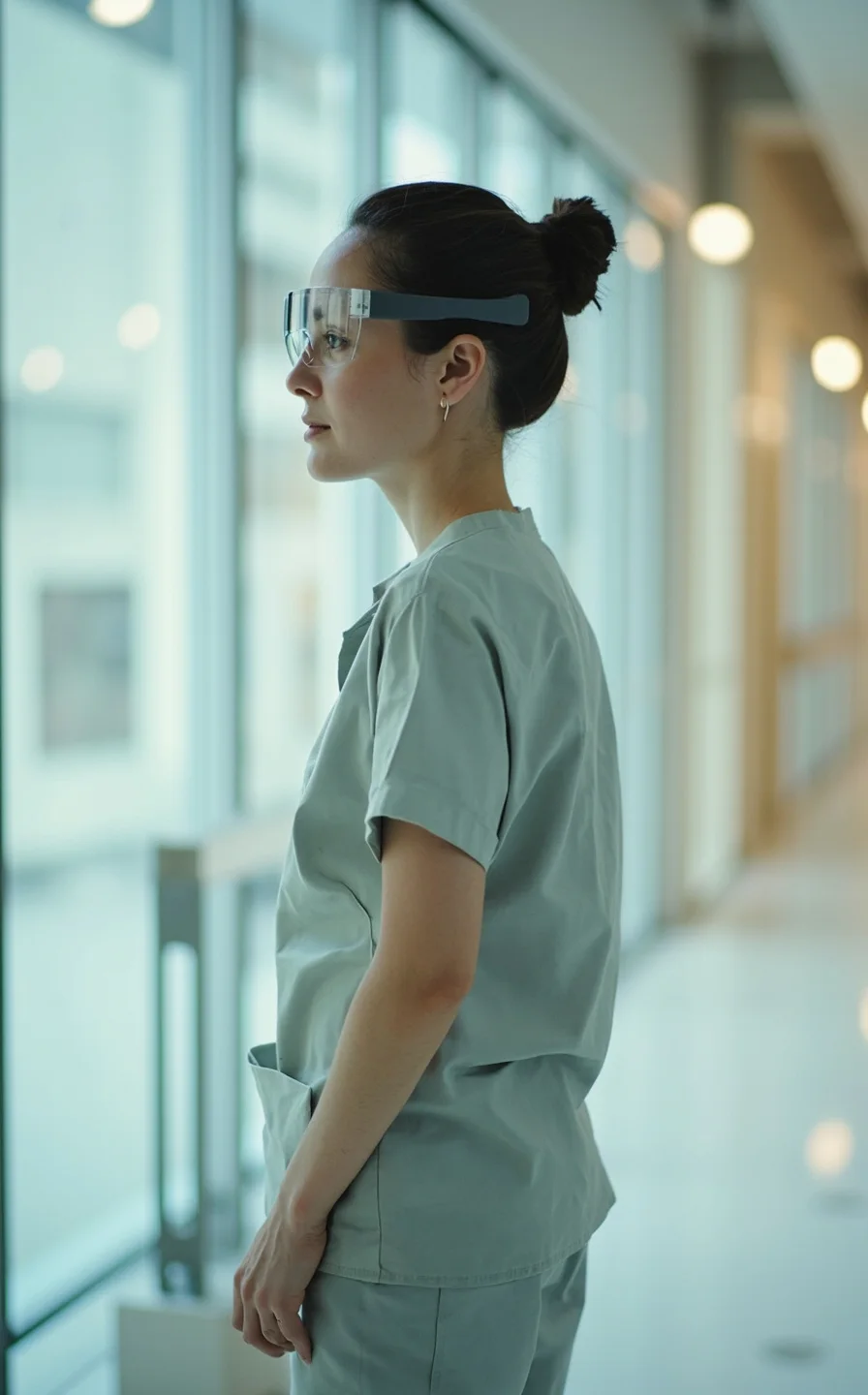
Why hands-free eyewear
Why hands-free eyewear in healthcare settings
Care is a face-to-face, hands-busy activity. Every healthcare use case for smart glasses starts from that single fact, and from an honest division of responsibility.
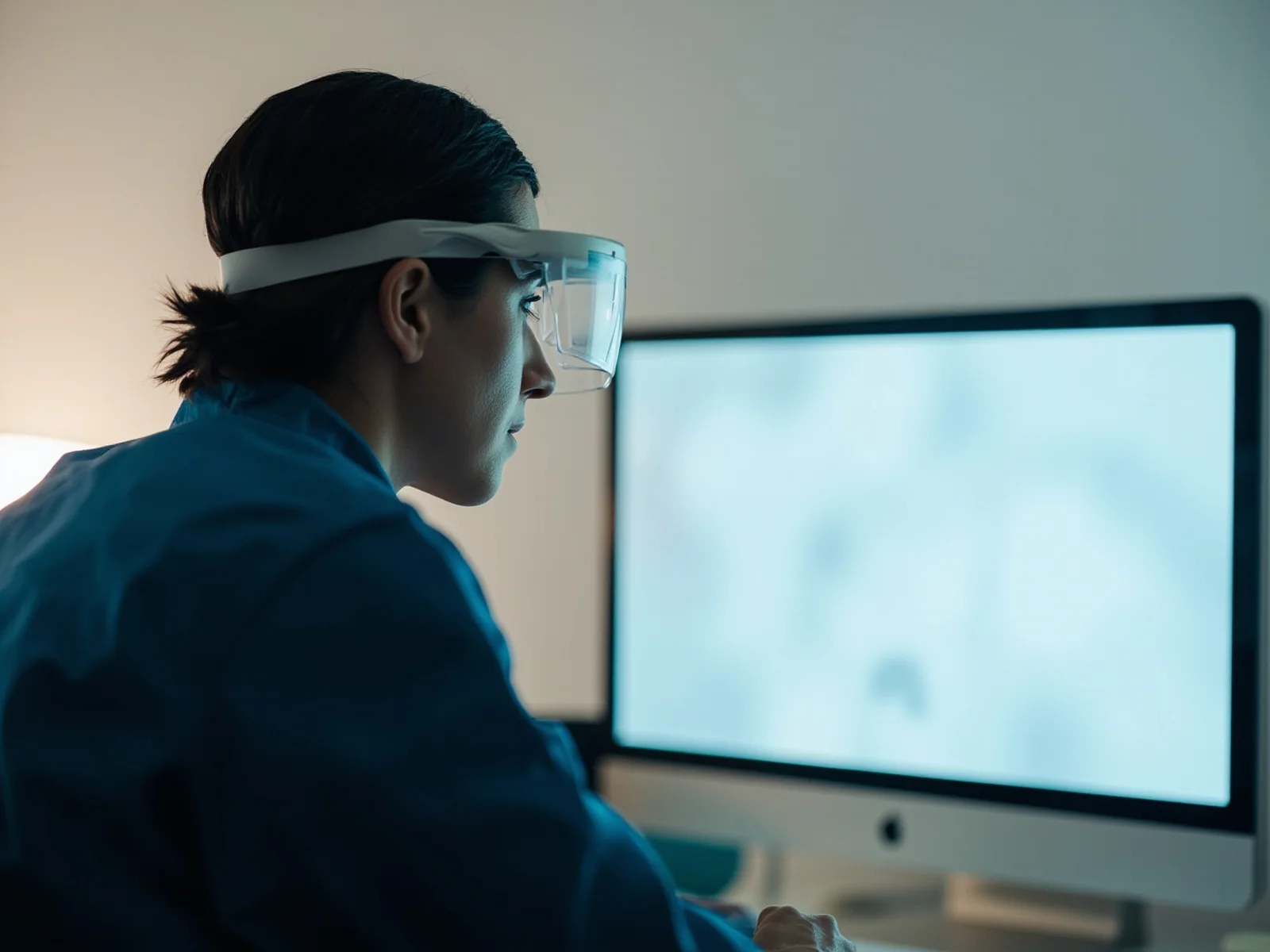
A phone held between clinician and patient is a barrier; a workstation forces the worker to turn away. Head-worn capture removes that friction without adding a device to hold, charge or put down between tasks. The camera follows the wearer’s line of sight; open-ear audio keeps conversation intelligible while the room stays audible.
- Hands and gaze stay on the person. Show a wound, a room or a device without operating a camera.
- First-person training and records. Capture procedures and observations from the operator’s point of view.
- Cleanable, shared-device design. Frame finishes and replaceable contact parts are selected around a real cleaning protocol.
- Obvious capture state. Visible indicators make recording unambiguous to patients, students and bystanders.
CYNRIN designs and manufactures the connected-eyewear hardware platform. The care application, clinical workflows, data handling and any medical or accessibility claim are owned and validated by the solution provider — never improvised by a glasses vendor.
Four workflows, four deep guides
Healthcare use cases, examined in depth
Each guide covers where the workflow earns its place, how the hardware is specified, and exactly where CYNRIN’s responsibility ends and the solution owner’s begins.
Where the platform is used
Where the platform is used
Four settings justify a head-worn endpoint. Each full guide covers the workflow, a specification checklist and the program path.
01
Telehealth & remote consultation
Patients demonstrate home setups and clinicians bring remote specialists to the bedside through first-person video, with both hands free and eye contact intact. Read the telehealth guide.
02
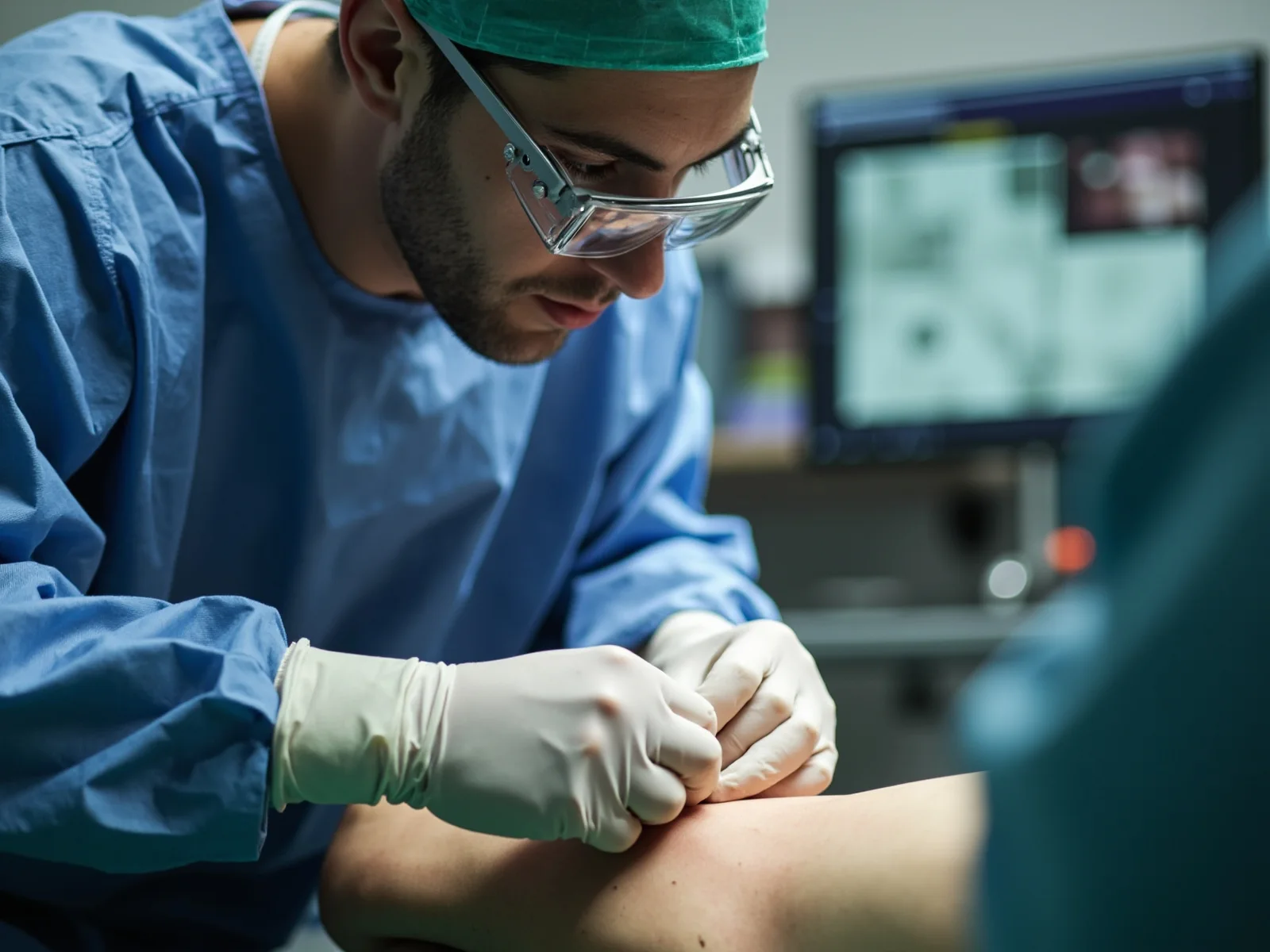
Surgical & procedural training POV
Instructors record techniques from their own reference frame for skills libraries, remote mentoring and trainee debrief — beginning in simulation labs. Read the training POV guide.
03
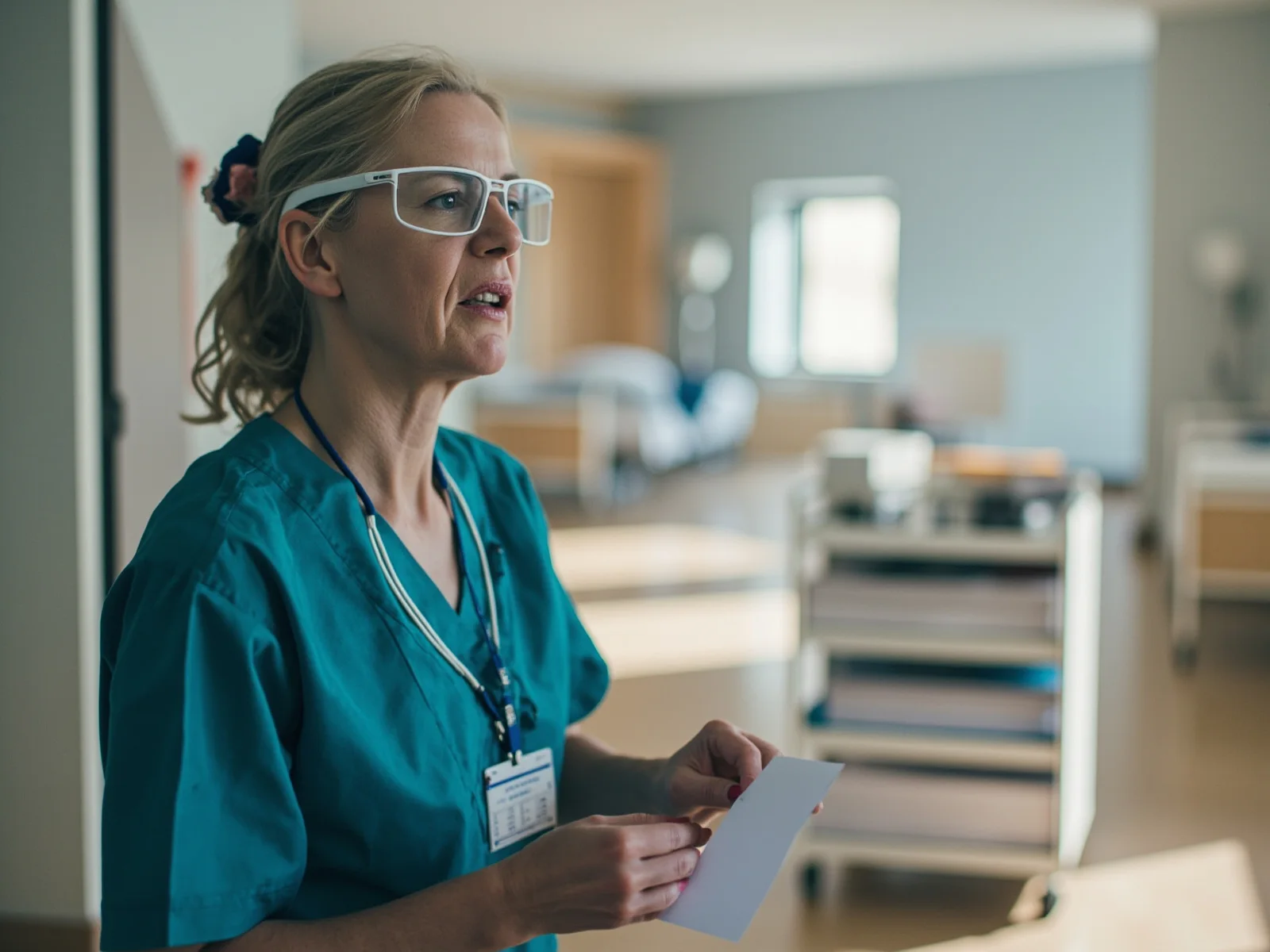
Hands-free clinical documentation
Voice notes and first-person stills are captured in the moment instead of reconstructed after the shift, feeding the system the organization already governs. Read the documentation guide.
04
Assistive & accessibility
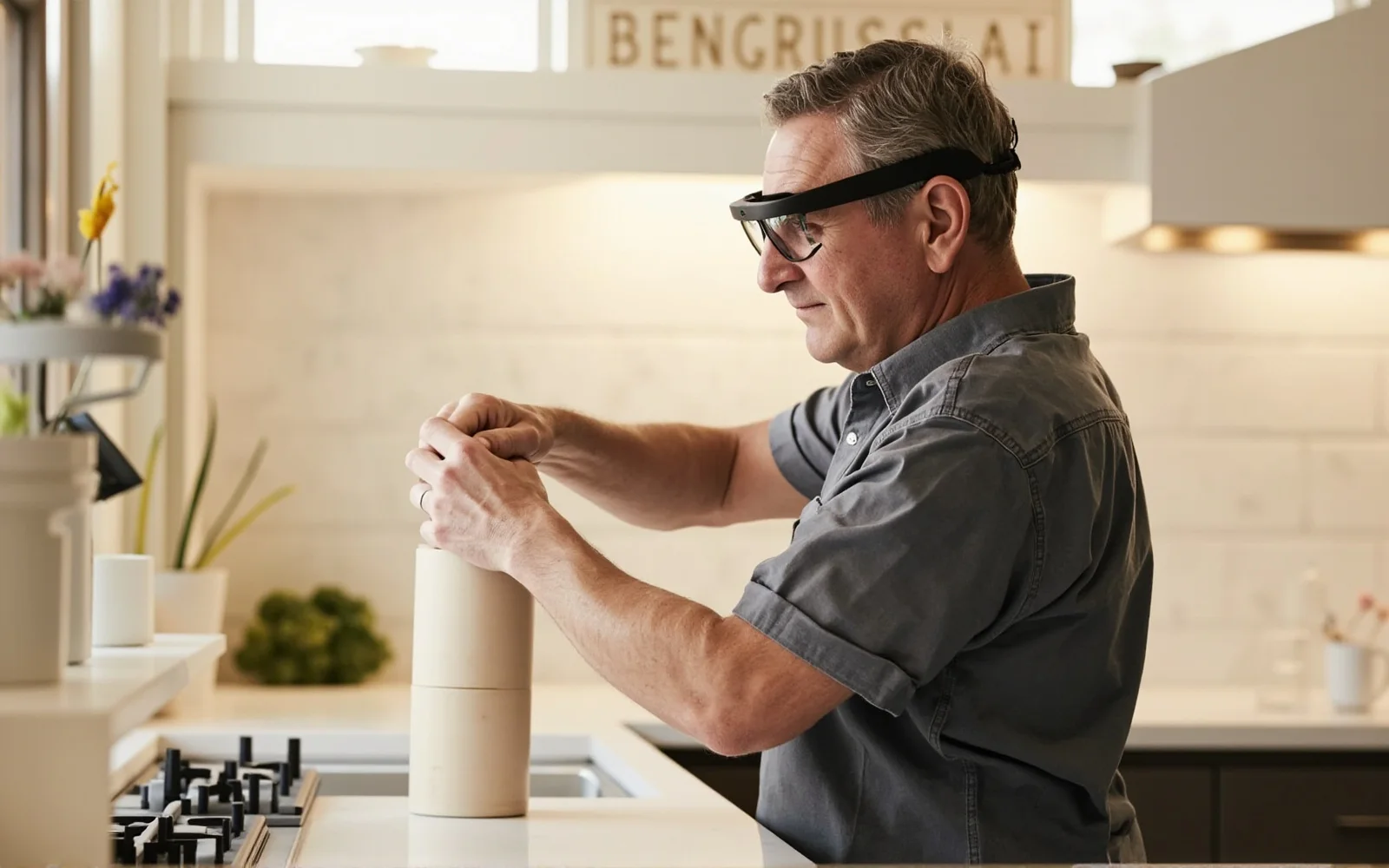
Open-ear audio, hands-free voice and an optional first-person camera support independence discreetly — as a hardware foundation for accessibility software, not a medical device. Read the accessibility guide.
We manufacture the hardware platform. Clinical validation, medical claims, accessibility claims and regulatory approvals remain the responsibility of the solution owner.
Camera-first or audio-first
Platforms matched to the care workflow
A camera-first platform is selected when first-person consultation, POV training or visual documentation is the headline use; an audio-first platform suits voice-led check-ins, prompts and camera-free accessibility deployments.
V03-T5 AI Camera Glasses
Camera-first platform for first-person photo and video, with open-ear audio for calls. Selected when visual capture and documentation are the headline use.
View modelE13 Bluetooth Audio Glasses
Audio-first platform for hands-free calls, voice and prompts without an in-ear device. Selected for communication-led deployments.
View modelK01 Sport Glasses
Lightweight Bluetooth audio platform suited to active, value-oriented lines, with the same private-label branding and packaging options.
View modelProgram build
Configuring a healthcare-adjacent program
Intended-use scoping
Setting, wearer and the boundary between general connected eyewear and any regulated claim are confirmed before tooling.
Cleanable configuration
Frame finishes and replaceable contact parts are selected against the actual cleaning agents and shared-fleet routine.
Privacy controls
Active-state indicators, bounded capture, pairing identity and reset between users are configured for the deployment.
Branding & fleet packaging
Device naming, app identity, multi-unit cases and quick-start material carry the deploying brand.
Long consultations and procedures make weight, balance and prescription fit adoption-critical; frame geometry and temple profiles are reviewed, with custom tooling available through ODM.
Branding, cases and fleet packaging are handled through customization, and general electronics and wireless documentation is aligned to each destination market.
Buying considerations
Specified per intended use
The same checklist we run through with care groups, simulation centers, device brands and assistive-technology providers.
| Consideration | Why it matters | How CYNRIN supports |
|---|---|---|
| Intended use and regulatory scope | General connected eyewear differs from a regulated medical device; the classification depends on intended use and destination market. | CYNRIN provides the platform and documentation support; clinical validation and any regulated claim are owned by the solution provider for the intended market. |
| Hygiene and shared-fleet use | Devices shared between staff, students or patients need cleanable surfaces and replaceable contact parts. | Frame finishes, nose pads and shields are selected around your cleaning protocol; chemical compatibility is confirmed per program. |
| Comfort and prescription fit | Consultations and procedures run long, and many wearers use prescription lenses or magnification. | Frame geometry, balance and lens options are reviewed for extended wear, including custom tooling via ODM. |
| Privacy, indicators and consent | Capture in care settings must be unambiguous for patients, students and bystanders. | Active-state indicators, pairing identity and reset behavior are configurable per program; consent and retention stay with the deploying organization. |
| Camera, audio and power profile | Telehealth, training POV and documentation weight camera, open-ear audio and runtime differently. | Camera-first or audio-first platforms are matched to the workflow, with power budgets stated on the program datasheet rather than promised generically. |
| Market documentation | Electronics and wireless documentation is required regardless of clinical status. | General electronics and wireless documentation is aligned to destination markets and confirmed per program. |
FAQ
Frequently asked questions
Are these certified medical devices?
No. CYNRIN manufactures a general connected-eyewear hardware platform; the reference product is not a certified medical device. Any medical claim, clinical validation or regulatory approval is the responsibility of the solution owner for the intended market. We support hardware-level configuration for such programs.
Which healthcare workflows do the glasses support?
Four use cases are documented in depth: telehealth & remote consultation, surgical & procedural training POV, hands-free clinical documentation and assistive & accessibility. The hardware is an endpoint; the care software is supplied by the solution provider.
Can the glasses be disinfected between users?
Frame finishes and replaceable contact parts can be selected for your cleaning routine. Exact chemical compatibility is confirmed against the cleaning agents you actually use, per program, rather than claimed generically.
Is there a visible recording indicator?
Yes — a visible indicator makes capture state clear to people nearby, and indicator plus capture workflows are configurable so recording cannot be mistaken. Bounded capture rather than always-on recording is the recommended model.
Can we evaluate units before a fleet or institutional order?
Yes. Reference-platform samples support trials and pilot cohorts before fleet commitment; see the samples process and MOQ guidance, with volumes and lead time confirmed per program.
Scope a healthcare eyewear platform
Share the workflow (telehealth, training, documentation or assistive), the hygiene and privacy requirements and your target volumes. Engineering will outline a suitable platform and state every specification on the program datasheet.