
What smart glasses are tested against before they reach your warehouse
Reliability is the difference between a product that survives a launch week and one that survives two seasons of pocket lint, sunscreen, rain, drops and charging cycles. This catalog lists the environmental, mechanical, life and electrical test types a smart-glasses program runs, what each one reveals, and how the evidence flows into acceptance decisions — without confusing lab capability with shipping promises.
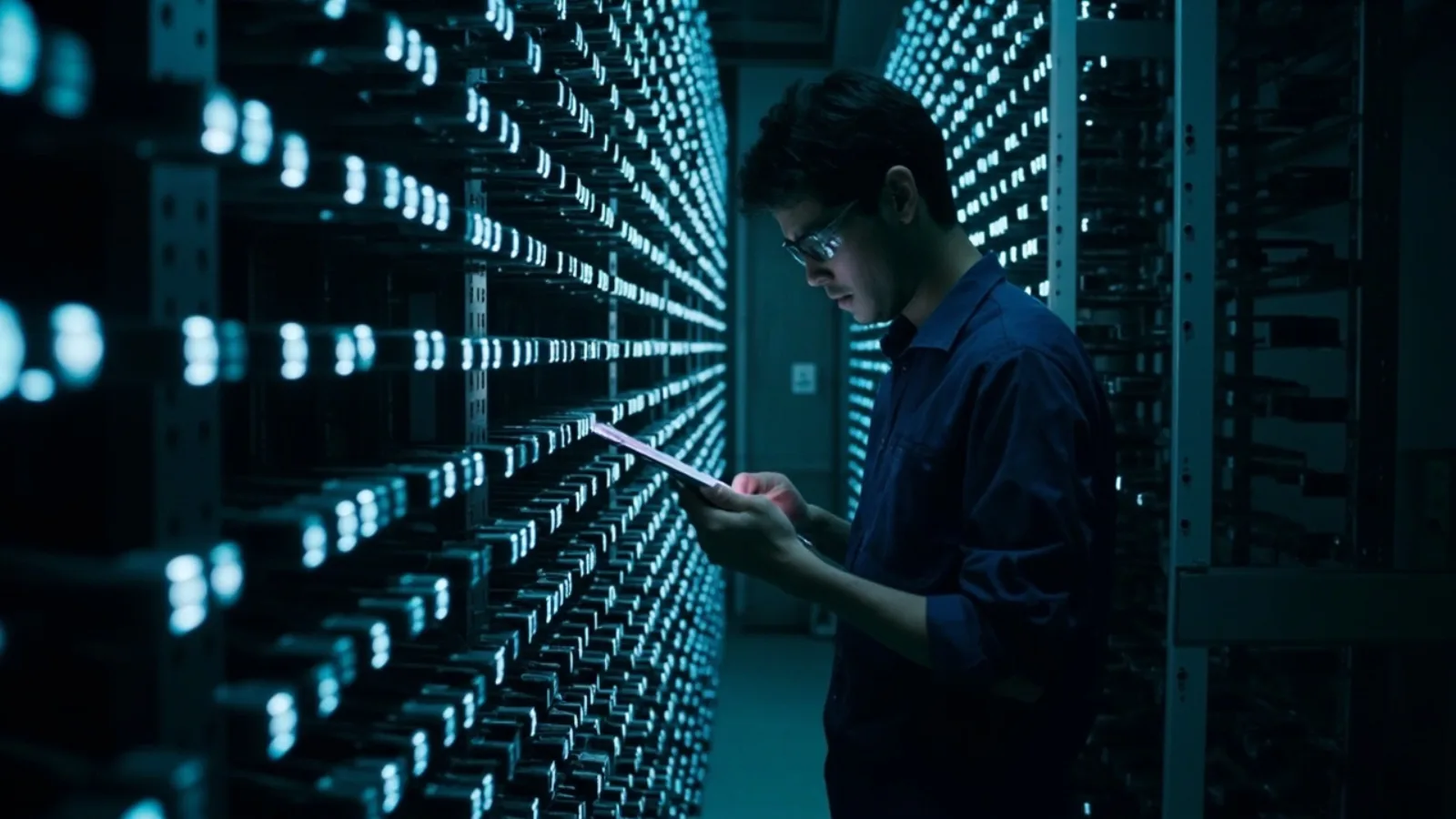
Four specimen racks: the tests eyewear programs actually run
Conditions shown are representative of standard electronics practice rather than pass/fail promises; the exact severity, sample count and judgment criteria are set per configuration in the DVT/PVT plan and recorded against the shipped build. Tests may run in-house, at accredited external laboratories, or both.
Environmental
Specimen: powered and storage states in a thermal chamber at defined hot/cold set points with controlled dwell and ramp.
Reveals: display/optical behavior, battery performance at temperature extremes, enclosure deformation and shutdown logic.
Specimen: prolonged constant damp-heat and/or cycling profile.
Reveals: condensation paths, lens treatment stability, PCB corrosion risk and touch/charging reliability after humid exposure.
Specimen: cosmetic parts and contacts under salt-fog or simulated-sweat exposure, examined afterward for corrosion and marking durability.
Reveals: coating and contact resilience for running and coastal use — separate from, and not implied by, the freshwater IP mark.
Specimen: frame and lens materials under accelerated light exposure.
Reveals: yellowing, brittleness, color drift and print/legend durability over the sales life.
Mechanical
Specimen: repeated drops from defined heights/orientations onto a standard surface, packaged-drop tests separately on cartons.
Reveals: hinge and temple survival, lens retention, internal connector and solder robustness — the most field-relevant mechanical abuse.
Specimen: opening/folding cycles on a temple-bending fixture into the thousands-of-cycles range.
Reveals: hinge wear, loosening, cable fatigue at the folding boundary and whether retention stays inside spec.
Specimen: lens and frame surfaces under controlled abrasion, plus coating adhesion checks.
Reveals: scratch resistance and coating durability under keys-and-pocket reality.
Specimen: transport vibration profiles on packed goods; cable, nose-pad and accessory pull checks.
Reveals: whether the product arrives as it left the line — feeding the packaging-audit gate in the process system.
Life & use
Specimen: mechanical key presses and touch-zone actuations over defined cycle counts.
Reveals: switch fatigue, false-trigger tendency and gesture consistency after wear-in.
Specimen: mate/unmate cycles on the connector or pogo interface plus repeated charge sessions.
Reveals: contact wear, debris tolerance and whether charge reliability holds across the accessory life.
Specimen: production units run through pairing, audio, capture (where fitted), touch and charging cycles on racks.
Reveals: early-life ("infant mortality") faults before the unit can reach a customer — part of the production gate, not only DVT.
Specimen: repeated charge/discharge cycles measuring capacity retention at defined checkpoints.
Reveals: whether the endurance claim profile remains honest after months of use; supports the conditioned battery language in the claims policy.
Electrical & EMC-adjacent
Specimen: contact and air electrostatic discharges at standard levels on accessible points.
Reveals: resets, glitches or damage from dry-climate static — a frequent field complaint on wearables.
Specimen: pairing, range, reconnection and coexistence runs under defined RF conditions.
Reveals: dropouts and reconnect behavior customers experience with phones in pockets; feeds the acoustic/RF evidence behind listings like the audio category.
Specimen: charging-system protection behavior, cell protection function and abnormal-charge conditions.
Reveals: protection-circuit function — the safety baseline that underlies the cell evidence and transport file.
Specimen: display/optical alignment on the bench (where applicable) and acoustic frequency/max-output measurements.
Reveals: consistency of the two experiences buyers judge first; acoustic design context in the audio engineering guide.
Design test, type verification and ongoing production checks are not the same thing
Buyers get better evidence packs — and fewer arguments — when the three layers are kept distinct.
DVT reliability
Broad testing on design-validation builds: find failure modes, iterate structure and sealing, set the severity the design genuinely meets. This is where a waterproof hope becomes an IPX4 fact.
Output: design fixes & declared capabilityPVT / type verification
Repeated on production-intent tooling, BOM and process — and the exact configuration sent to certification, so reports match what is sold. Certificates name this build.
Output: test reports & certification basisProduction gates
Aging on every lot plus AQL lot sentencing and periodic re-verification: keeps the type promise true across suppliers, shifts and seasons. Mechanism on the process page.
Output: lot records & trend control
How a test becomes a pass — and when it is rerun
A reliability test has three parts: the condition (severity and duration), the functional check afterward (not merely "looks fine"), and the sample rule (how many specimens and what failure count is allowed). A unit that passes the chamber but loses pairing afterward is a failure; cosmetic-only and function-only verdicts are recorded separately so a marginal finish cannot hide behind a working radio.
Tests rerun when the thing they cover changes: new cell chemistry, revised hinge geometry, a different coating, a sealed variant for a higher IP target. That change-trigger rule is the same discipline that reopens certification files and claim wording — one configuration lock, described on the claims page. Buyers receive the report index with specimen configuration and dates, so "tested" always means testable paperwork rather than a chamber photo.
What procurement asks before approving the test plan
Which tests are standard on every program and which are added on request?
Do you test in-house or at external laboratories?
How many units are tested in reliability?
Does passing a drop test mean the glasses are guaranteed unbreakable?
Can reliability findings change the tooling or schedule?
What reliability paperwork do retailers and Amazon ask for?
Sell what the test matrix actually proves.
Get the test annex, specimen configuration and report index before listing — evidence built for retailer and marketplace scrutiny.