
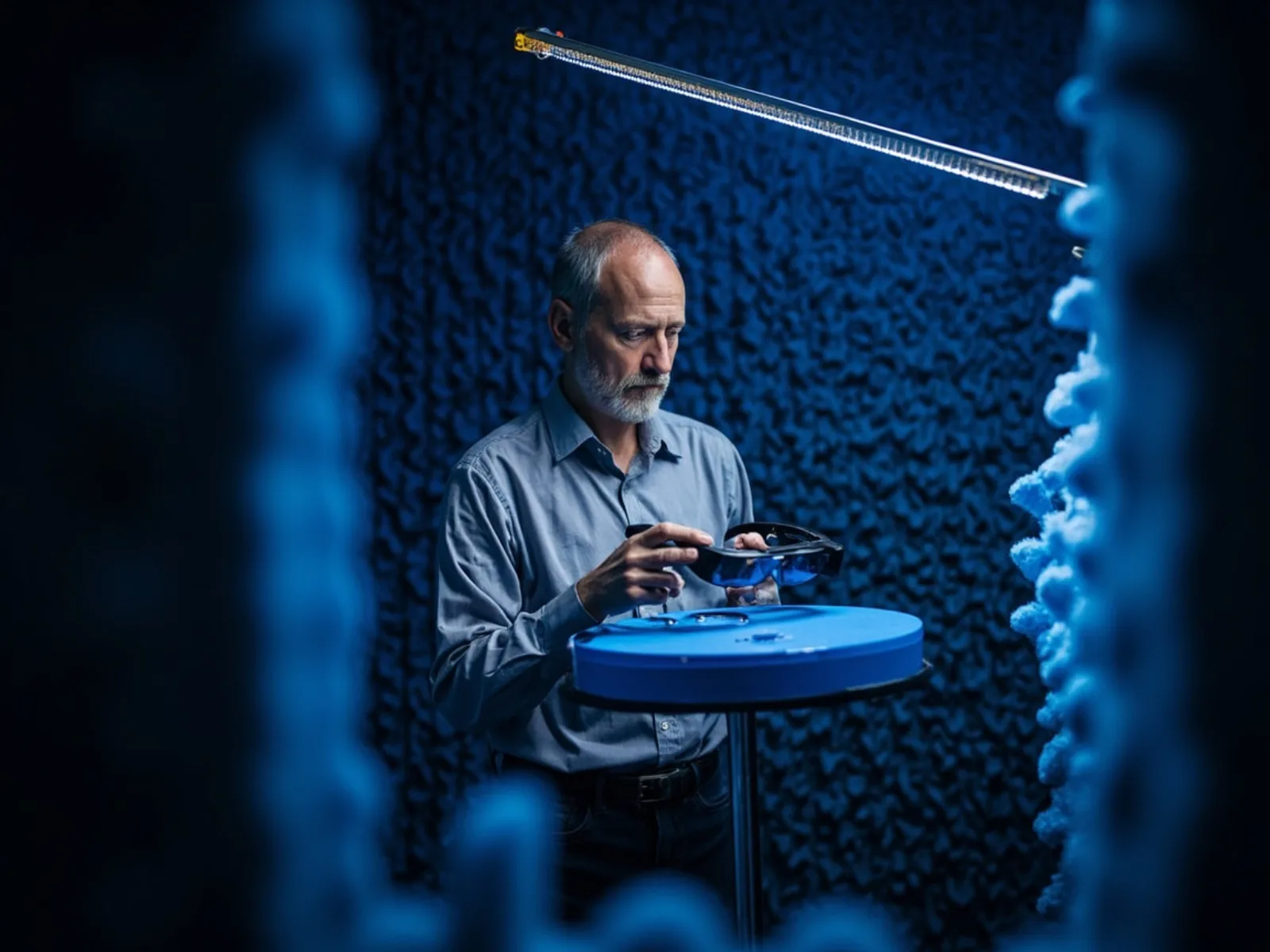
Smart glasses compliance, mapped market by market
Smart glasses are radio equipment with lithium batteries and networked software. That combination puts them under three rule families at once — radio, product safety and transport. This center turns those rules into a launch checklist, with the test evidence and documents CYNRIN prepares in your brand name.
Where will your first container clear customs?
The destination market decides the entire test plan, label artwork and importer structure. Start here, then open the market guides that match your launch list.
European Union
CE marking under the RED, GPSR duties, EN 18031 cybersecurity evidence, RoHS/REACH declarations and an EU responsible person.
United States
FCC Part 15 grant or supplier declaration for the Bluetooth radio, grantee setup, country-of-origin marking and battery-consumer safety evidence for retailers.
United Kingdom
UKCA marking under the UK Radio Equipment Regulations, UK EMC and restricted-substances rules — plus the CE dual-marking reality and Northern Ireland Protocol handling.
Middle East
Type approval for short-range devices varies by country; Saudi Arabia (CITC) and the UAE TDRA run their own registrations, each typically requiring a local license holder and built on CE/FCC test evidence.
Asia-Pacific
Australia/NZ (RCM), Japan (MIC技適), Korea (KC) and Greater China each run local radio registrations, most accepting CE/FCC reports as technical input. Japan and Korea share a detailed dossier.
Latin America
Brazil Anatel homologation is mandatory for Bluetooth devices and runs through a local representative; other markets reference FCC-style evidence with local registration.
Market selection is the first question on every CYNRIN RFQ, because certification is scheduled into the NPI plan rather than improvised after production. In-house RF and EMC pre-scan data feeds the external laboratory test plan at DVT, and units from the PVT pilot build — identical to mass production — are the samples shipped to the third-party lab. See how this sits inside the stage-gated engineering process on the technology & R&D page.
The seven files that gate a smart-glasses launch
Each topic below is a distinct evidence package. Read the guide, then ask for the matching sample dossier in your RFQ.

RED 2014/53/EU
Articles 3.1a/3.1b/3.2 and the new 3.3 cybersecurity articles, with the harmonised-standard route.
GPSR 2023/988
The post-Brexit-style general safety regime that now applies to all consumer products sold into the EU since December 2024.
EN 18031 & Art. 3.3
Network protection, personal-data protection and fraud-prevention requirements for connected radio equipment.
FCC Part 15
Certification vs supplier declaration, grantee codes, labeling and the responsible US party for customs.
Bluetooth SIG Qualification
Separate from regulatory approval: Declaration IDs, QDID reuse and the listing that lets you lawfully use the IP.

UN38.3 & PI966/967
The lithium-polymer shipping file: test summary, MSDS, packing instructions and carton marks for air and sea.

Wellness vs medical device
Where health-adjacent features cross into FDA or EU MDR territory — and how to keep marketing claims defensible.

Marketing claims policy
The claim-by-claim review ledger: battery, water, ruggedness and AI wording matched to evidence receipts before launch.

IP ratings explained
What IPX4, IPX5 and IPX7 actually test — and the water-resistance language a defensible listing should use.
One technical file, accepted by buyers and customs
The same documents satisfy laboratory filings, retailer onboarding and Amazon compliance uploads. Certificates and grants are issued in your company name — the compliance asset stays on your balance sheet if manufacturing arrangements ever change.
Where the pre-scan evidence comes from
Compliance failures are almost always schedule failures. The CYNRIN RF and reliability labs run the same test methods the external laboratory will apply — before external fees start — so high-risk issues are corrected on the engineering bench, not during the certification window.
The 50-second facility clip below shows the engineering, SMT, assembly and aging areas that generate the evidence chain behind every declaration. For the quality gates themselves, see the quality control & testing page.
- PVT-identical samples sent to the external lab — never hand-built golden units.
- Brand-owned certificates managed by CYNRIN engineering, held by your company.
- Multi-market filings in parallel on one sample set to protect the launch date.
CYNRIN facility overview · press play to load the 12 MB clip
Six weeks, one sample set, parallel markets
Indicative for a single-market filing on a pre-scan-passing design. EU and US filings run in parallel; the main slippage risk is external-lab failure after a design change.
Certification plan locked
Market list, brand-owner legal details, grantee/responsible-party structure and label artwork confirmed against the selected SoC and radio module.
PVT samples shipped
Units from the pilot build and the drafted technical documentation are delivered to the accredited laboratory; the test schedule is booked against the program plan.
RF · EMC · safety · chemistry · cyber
External testing runs while engineering answers lab queries and compiles the technical construction file; EN 18031 evidence is reviewed against the selected firmware configuration.
Certificates in your name
Reports and grants released to the brand owner, DoC signed, labels and manuals released to mass production, and the customs/retailer pack zipped for handover.
First questions from brand and sourcing teams
Is this compliance center legal advice?
Which compliance path blocks most smart-glasses launches today?
Can the same samples and reports cover several markets?
What does CYNRIN supply versus what must our company do?
What happens if a regulation changes during our program?
Where do battery shipping rules fit in?
Build the whole launch file
Certifications overview
Marks, test routes and the brand-owned certificate model in one page.
Explore 02Market selector
Compare six launch markets side by side before committing the test plan.
Explore 03Marketing claims policy
The red-pen claim ledger and evidence receipts that keep listings alive.
Explore 04Quality control & testing
IQC to OQC gates, AQL inspections and reliability evidence behind declarations.
Explore 05Certifications buyer guide
FCC, CE, UKCA, RoHS and REACH in article form for sourcing teams.
Read 06Request a quote
List your target markets and receive the market-by-market plan and timeline.
StartTell us your launch markets. We'll return the rule map.
Use the RFQ form to list destination countries and sales channels. Compliance engineering replies with the test plan, filings, representative needs and a week-by-week schedule.