
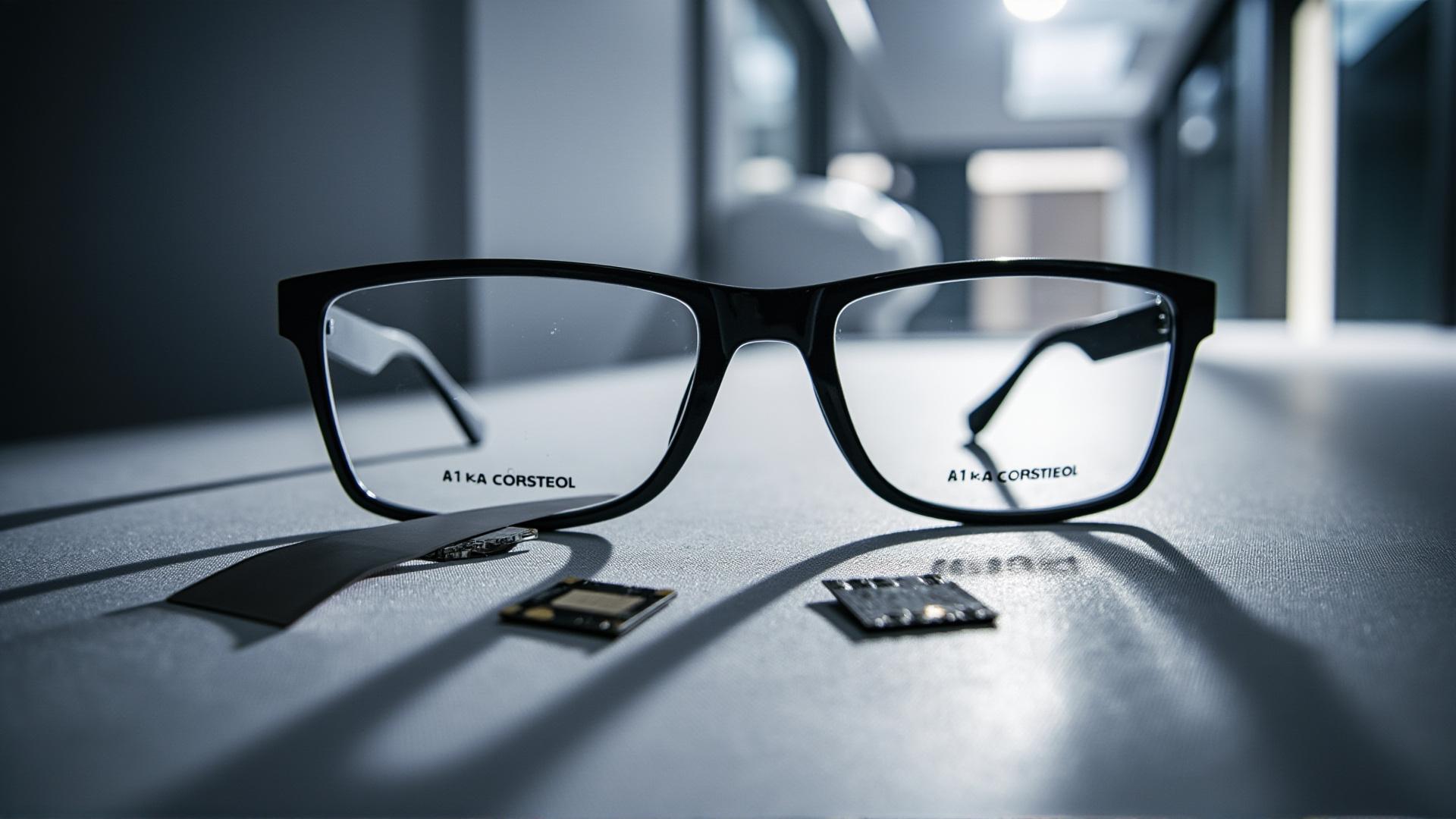
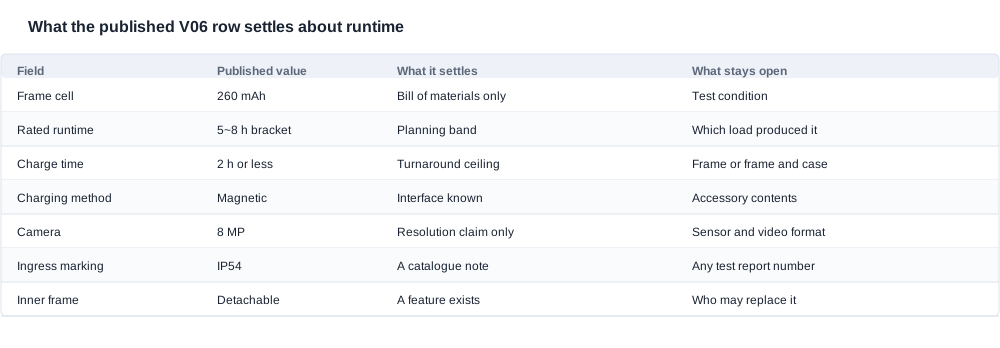
The published rows for this model are an 8-megapixel camera, a 260 mAh cell, a charge time of up to two hours, a rated runtime given as five to eight hours, magnetic charging, an IP54 marking, an ergonomic frame, a detachable inner frame, and four colour options.
The runtime figure is a three-hour bracket with no published conditions. That is the same position as the sibling camera model in this range. What is different about this model is that its detachable inner frame creates a runtime problem that has nothing to do with the battery.
That is the argument of this page, and it inverts the usual order of questions. Buyers arrive at a battery figure, treat it as the constraint, and negotiate for a larger cell. In a sport product the cell is usually the third most important variable, and the two that come before it are the two nobody has published.
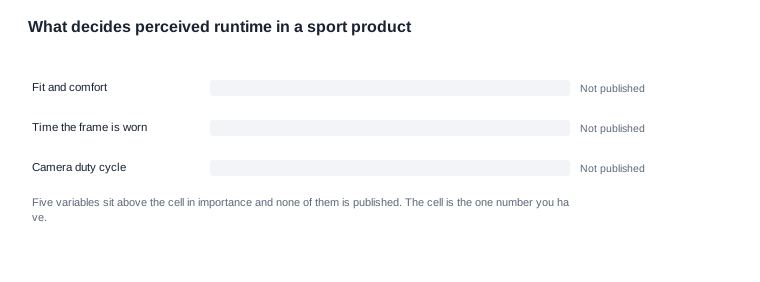
The V06 runtime figure first, briefly
Five to eight hours from a 260 mAh cell, for a camera product. As with any camera glasses platform, the figure depends almost entirely on how much of the day the camera is running: a device with an idle camera and a device recording continuously are different products described by the same specification.
The test condition is not published for either end of the bracket. Ask what was active, at what video resolution and frame rate, at what volume, over how many units, and whether the figure is a mean or a best case. Ask the same questions of every model in the range rather than only this one, because a supplier who answers them once will usually answer them consistently, and consistency across a range is what makes a published figure usable in copy.
Sensor model, field of view, video resolution and frame rate are not published for this model, so the runtime cannot be reconciled with the imaging load from the documentation at all. That last point deserves more weight than it usually gets. A runtime figure without a camera specification is a number with no denominator, because the thing that consumes the current is precisely the thing nobody has described. A buyer who wants to defend the figure in a listing cannot, and a buyer who wants to plan charging around it can only plan around the lower end of the bracket.
A third published figure deserves the same treatment, and it is the charge ceiling. "Up to two hours" is an upper bound, not a typical figure, and it describes the time to full charge from whatever starting point the factory chose. For a buyer planning a sport channel, the useful number is not the ceiling but the turnaround: how long between activities, given that the device arrives partly discharged. That number is not published, and it is the one a distributor actually needs, because it determines how many units a rental desk has to hold.
There is also a charging-side question nobody has published: whether the magnetic charge is a frame charge or a frame-and-case charge. It makes no difference to a cable-product buyer and a large difference to a case-product buyer, and the answer determines whether the customer can expect to recover a full day of runtime from a single charge or needs a second accessory.
The factor that actually decides it: whether the frame stays on the head
This is the part specific to a sport product, and it is the part no battery figure addresses. It is also the part a buyer is least equipped to argue about, because the variables involved — how the frame behaves under movement, how it feels after twenty minutes of sweat, whether the temples hold under wind — are not fields on any specification sheet, and the only way to establish them is to use the product.
A device that is uncomfortable or insecure does not run out of charge — it gets taken off. In a sport application the frame is competing with sweat, motion, wind and the user's own tolerance for something on their face. Every time it comes off, the runtime clock stops, and the customer experiences that as a product that does not last.
So the sequence that decides perceived battery life in this category is: attachment first, then stability under sweat, then the cell. The cell is the third variable, not the first, and it is the only one with a published figure.
It is worth being precise about how the two failure modes differ, because they produce different complaints and different remedies. A device that runs flat produces a customer who says the battery is weak, and the remedy is a bigger cell or a longer charge. A device that comes off produces a customer who says the product will not stay on, and the remedy is a lighter frame, a better sizing or a retention feature. The two complaints appear similar in a support inbox and are solved in opposite directions, so a buyer who cannot distinguish them will keep buying the wrong fix.
A buyer who has accepted this ordering of variables has a different negotiation than one who has not. The first negotiates for the frame, the retention, the inner frame programme and the storage behaviour, and treats the cell as a constraint to be respected rather than a lever to be pulled. The second negotiates for milliamp hours, receives a slightly larger cell, and watches the runtime complaints continue, because the complaints were never about milliamp hours. The two negotiations appear identical in the meeting and produce different results six months later.
There is a commercial version of the same point. A product whose runtime complaint is actually a sizing complaint generates returns that arrive as defective units, and defective units are usually replaced rather than diagnosed. That turns a design problem into a warranty cost, and it does it invisibly, because the returns data resembles a quality problem the whole way through.
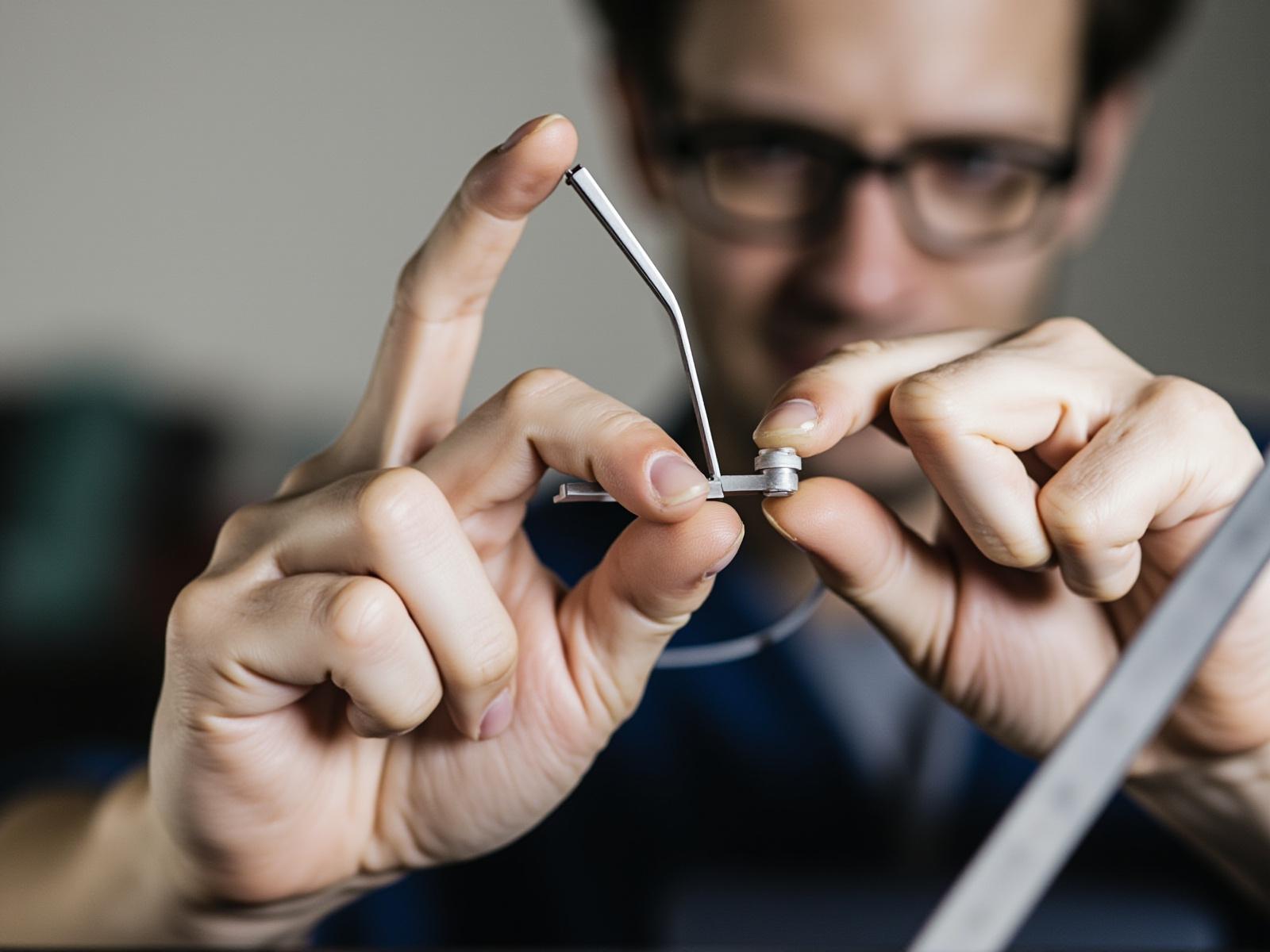
That is why the detachable inner frame is worth asking about carefully. It is a sizing and serviceability feature. Whether it is user-replaceable or factory-only is not published, and the two readings differ by an entire after-sales programme. A user-replaceable inner frame lets a distributor match a range of face shapes without holding separate finished units; a factory-only one does not.
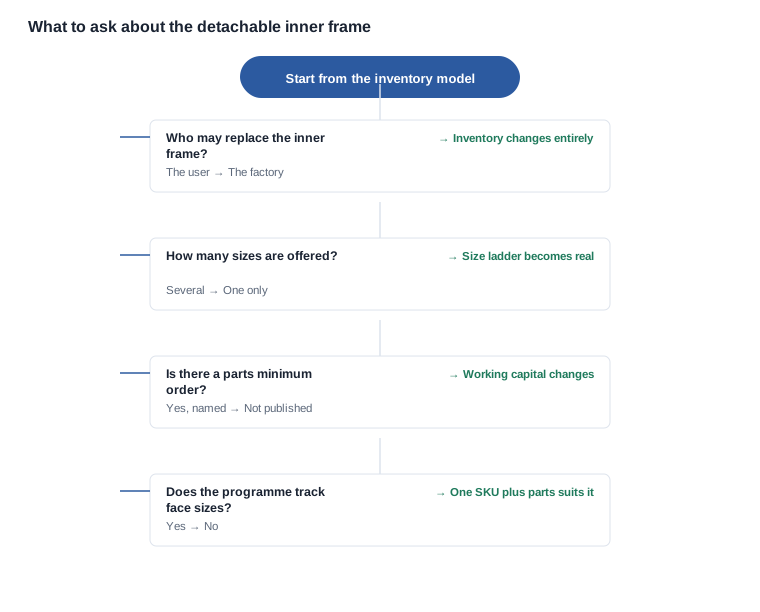
There is a related question that is cheaper to ask and easier to answer: whether the inner frame is a consumable item with its own replacement cycle. A device whose inner frame is replaced on a schedule produces a recurring parts revenue line and a recurring service cost, and the two are usually not the same number. A device whose frame is replaced once every few years produces neither. The difference between those two outcomes is worth more to a distributor over five years than the cell capacity is worth to a customer in one afternoon.
The practical consequence for a distributor is that the answer changes the inventory model rather than the product page. A user-replaceable frame turns the programme into one SKU plus a small range of replacement parts, which lowers the working capital tied up in finished units and raises the part-order volume. A factory-only frame turns it into several finished SKUs, one per size, each carrying its own minimum order quantity. Both are workable; they are different businesses, and the question is worth asking before the first purchase order rather than after the first size proves unsellable.
The IP54 marking, in the context of this model
This model carries the IP54 marking in its own published row, alongside the ergonomic frame and detachable inner frame.
We have not been provided with a third-party test report number behind that marking, and we do not hold one. Separately from that, note what the rating would mean if evidenced: a second digit of 5 covers water jets — sprayed water — not immersion and not sustained rain.
The distinction matters more in this category than in most. A sport product is sold on resistance to sweat and rain, and a customer in a wet climate will read IP54 as a promise of weatherproofing. It is not one: it is a dust-tolerance figure plus a sprayed-water figure, and the gap between that and what a customer expects is the gap between a defensible listing and a returns problem. If your channel markets on weather resistance, the marking needs a report behind it before it goes near a product page.
That gap between the marking and the expectation is the whole reason this row needs a document. A customer in a wet climate reads IP54 as a promise of weatherproofing, while the marking in fact describes dust tolerance plus sprayed water. A listing that carries the marking without a report behind it has not made a claim about the product; it has made a claim about the reader's willingness to over-read it, and that risk arrives in the returns queue rather than in a specification review.
The second digit is worth understanding on its own, because the two digits of an ingress rating describe different hazards. The first describes solids; the second describes water. A marking whose first digit is 5 is saying that ingress by dust is limited, not prevented. A marking whose second digit is 4 is saying that water splashing in any direction is tolerated. Neither statement covers immersion, neither covers a sustained downpour, and neither covers the salt and detergent exposure that a device left in a sports bag accumulates over a season. A buyer who writes the marking onto a listing without translating it into plain language has left the translation to the customer, and the customer will translate generously.
The two figures a buyer should insist on are the report reference and the model designation printed on it. A report that covers the platform without naming this configuration tells the buyer that somebody tested something, which is not the same as telling them what was tested. Where the two do not match, the correct entry in the technical file is that no report is held for this configuration, and the marking stays a catalogue note rather than a product claim.
For a product sold on sweat and rain resistance, this is the row that decides whether your listing can be defended. Get a report from a testing body, or describe it as a catalogue marking and make no water-resistance claim.
Five rows to settle before this goes into a sport channel
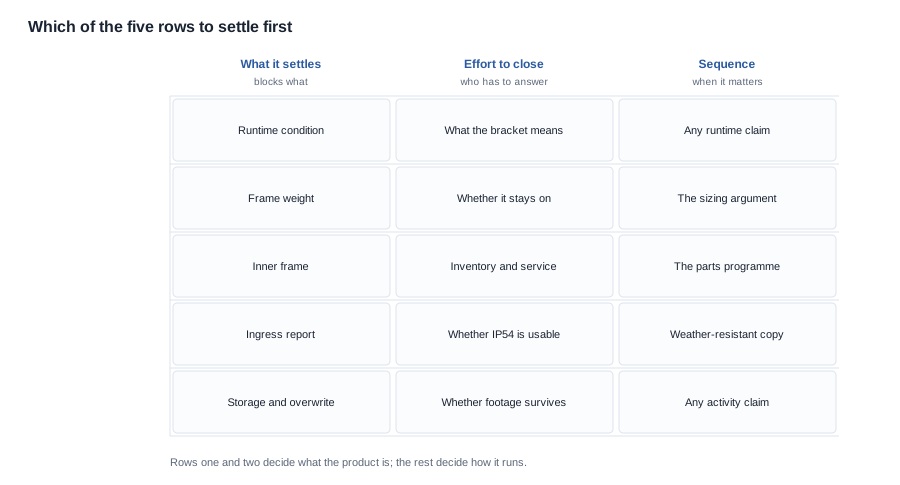
The list is short on purpose. In a category where the decisive variables are unmeasured, the practical response is not to enumerate everything that is unknown but to name the five items whose answers change a decision, and to leave the rest until those five are closed.
- The test condition behind the five-to-eight-hour bracket.
- Frame weight, in grams including the cell. Not published, and on this category it decides whether the frame stays on.
- Whether the inner frame is user-replaceable, in what sizes, at what minimum quantity.
- The ingress test report number, if one exists for this model and configuration.
- Storage, format and overwrite behaviour. Not published, and it decides whether a customer who fills the device mid-activity loses footage.
Two of those five are questions about how the product behaves in a sport context rather than about what it is made of, and they are the two a camera-range buyer would not think to ask. The storage and overwrite question is the clearest example: in a camera product sold for short captures, storage capacity is a specification and overwrite is a firmware default nobody examines. In a sport product sold for an activity, the device is most likely to reach full exactly when the customer is relying on it, and the behaviour that matters is not how much it stores but what it does when it stops storing. That is a one-line answer from the firmware team and a common source of footage loss that no amount of battery capacity addresses.
The order of that list is deliberate, and it is not the order in which buyers usually work. Rows one and two settle what the product is; rows three and four settle how the programme runs; row five settles what happens when a customer fills the device in the middle of an activity, which is the single most damaging failure mode in this category because the footage is already gone before anybody notices the storage was full.
A sixth item sits outside this list and is worth naming, because it is the one a sport channel asks about most often and the least often written down: what the customer does when the device is full, loses connection, or is simply forgotten between activities. Those three situations account for a large share of sport-category returns, and none of them is resolved by a larger cell. They are resolved by firmware defaults and by the instructions, both of which are negotiable at the point the specification is written rather than afterwards.
None of the five requires a new engineering programme, and that is the most useful fact about the list. Every item is a question the factory can answer from work it has already done, which means the reasons they are open are commercial rather than technical. A supplier that has not closed them for this model has usually not closed them for any model, which makes the enquiry a reasonable one to make rather than an unreasonable demand on their time.
Two of the five are cheapest to close and most often left open. Frame weight is measured on a sample in a minute, and the storage and overwrite behaviour is a written answer from the firmware team. Neither requires a supplier's engineering programme, and both change what a buyer can put on a product page.
The judgement behind this reading
We can give you every published row for this model and we will tell you that the runtime figure is a bracket with no labelled endpoints and that the factor most likely to decide perceived battery life is how the frame behaves rather than how large the cell is. We will not quote a frame weight, an ingress test report or a video specification, and we will not present the IP54 marking as a tested result.
How to evaluate a supplier against this list is straightforward, and the red flags are specific. A supplier who returns a runtime figure without a method has answered the easy half of question one. A supplier who describes the inner frame as "replaceable" without saying by whom has answered neither half of question three. A supplier who quotes an IP rating without a report has answered question four in a way that cannot be filed, which means the marking stays a catalogue note rather than a claim.
Before you commit, the shortlist should carry the deciding variable written against it, and a supplier who has answered all five in writing should be separated from one who has answered them verbally, regardless of the unit price. If the programme is a sport channel where the frame has to survive movement, the deciding variable is the inner frame and the weight, not the cell. If the programme is a promotional giveaway where the device is used in short bursts, the deciding variable is the storage and overwrite behaviour, because that is what a customer experiences as a failure first.

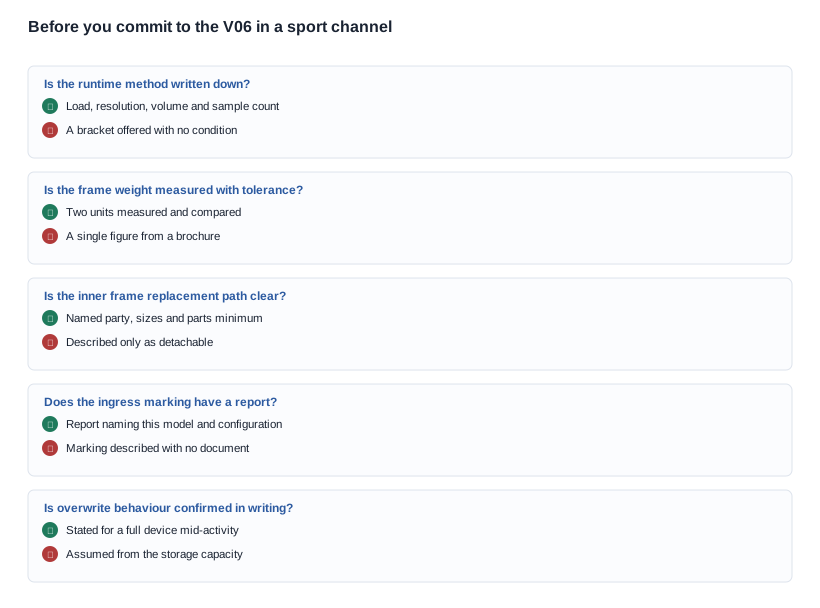
There is a version of this page that would end at the runtime bracket, and a buyer who stops there will have a number they cannot use. The reason to read past it is that the sport category adds three variables the camera category does not — movement, sweat and storage under time pressure — and all three push in the direction of the device being taken off or being filled, rather than in the direction of the cell being too small. A category with those variables is decided by the frame and by the firmware defaults, and the cell is the part of the design the buyer has the least reason to argue about.
The practical summary is that this model's published bracket is usable for planning and unusable for claiming, and that the two variables most likely to decide whether the customer is satisfied are both unpublished. A buyer who negotiates for a larger cell to solve a problem that is actually a sizing problem will spend the whole programme budget on the wrong variable, which is why this page puts the cell third rather than first.
A supplier who answers all five in writing has closed more of this model than most suppliers close in a year of correspondence, and the answers are the artefact rather than the conversation. Ask for them as a single document with the model designation on each page, because five answers gathered across four emails are five answers a compliance reviewer will not accept.
Send us the channel, the target retail price, the quantity and the activities your customer does, and we will tell you whether this model's published bracket covers them.
Related reading
- Which range this model is in — sport smart glasses
- Reading an IP rating before you write it — certification checks
- How case capacity changes the product — smart glasses battery life
Send the channel, the price, the quantity and the activities, and we will tell you whether the bracket covers them.


