

Sports is the segment where smart glasses specifications stop being marketing copy and become physical consequences — rain runs into a sealed seam, a slipping frame costs a rider the line, a battery that dies at minute ninety ends the recording. It is also the category where buyers are most tempted to compare three headline numbers and place an order. This guide argues the opposite: the three things that determine whether a sports smart glasses range survives contact with real customers are ingress protection, fit stability and endurance behavior — and none of them should be maximized blindly. Each must be matched to the intensity profile of the sport and the expectations of the audience.
This article covers the selection logic across the sports category. Cycling-specific wholesale mechanics — packaging, channels and tier economics — are in the cycling glasses wholesale guide; the product family is in the sport smart glasses category.
Check One: Ingress Protection Matched to the Exposure
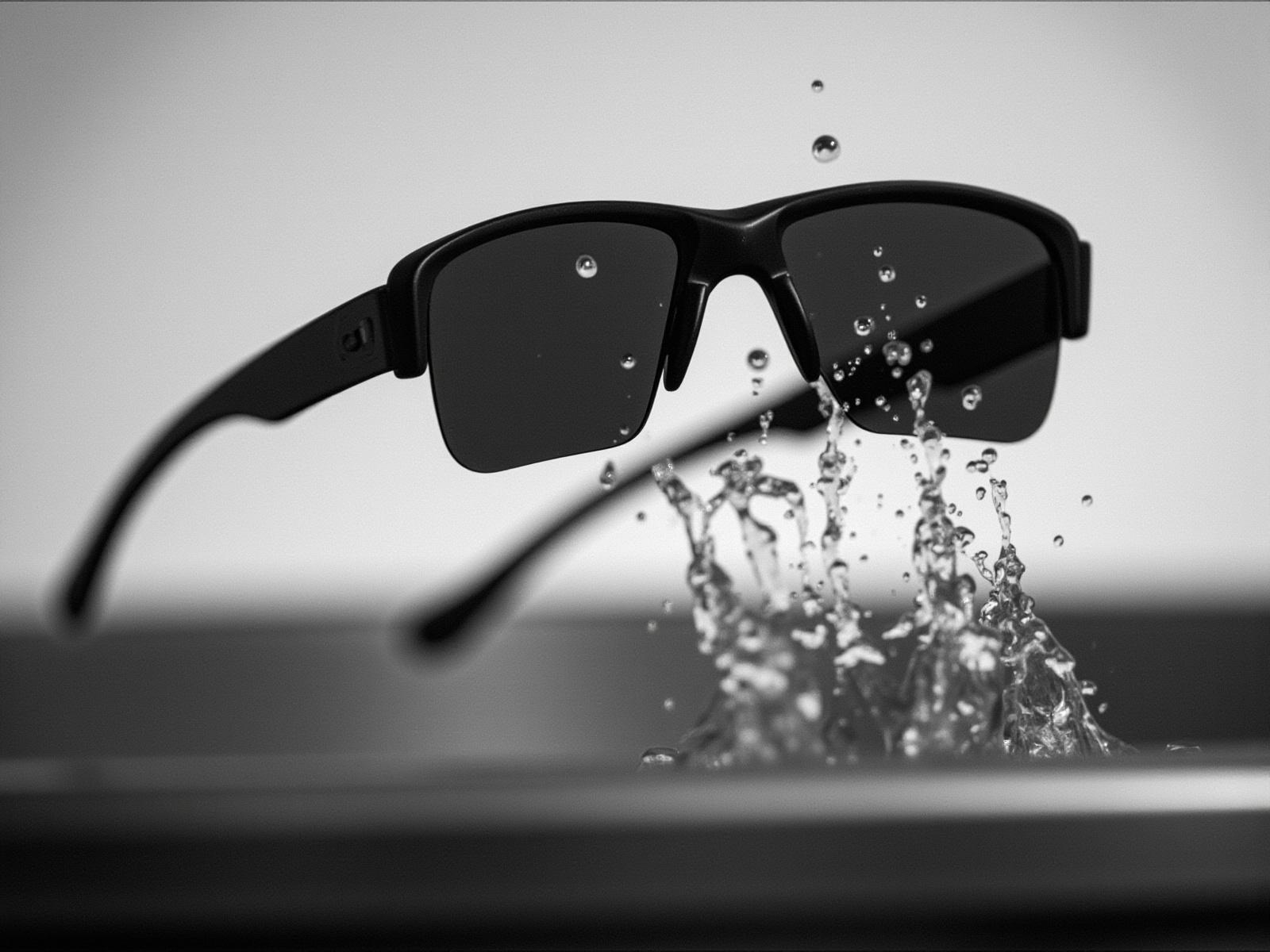
The first check is not "is it waterproof?" — a word with no engineering meaning — but which exposure profile the sport actually creates. Running and cycling produce sweat, frontal rain and washdown after use; water and paddle contexts create immersion and high-velocity spray. Those map to different digits in the IEC 60529 system: IPX4 covers splashing water from any direction, the honest workhorse rating for sweat and rain during land sports; IPX5 addresses water jets, including rinsing under a tap; IPX7 is controlled immersion, a survival specification for accidental dunking rather than a swimming endorsement.
Two selection errors repeat. Over-buying rating you cannot use adds sealing cost and can work against acoustic performance and long-term serviceability; under-buying and over-claiming is worse, because a "waterproof" listing that fails in a rainstorm returns as reviews and marketplace complaints. The full digit-by-digit decode — including why ratings are not cumulative marketing claims and why swimming language needs different evidence — is in the IP ratings guide. Ask how the rating is verified on the shipped frame, since seals live in the exact assembly and trim configuration; test methods are catalogued in the reliability guide.
Check Two: Fit Stability Under the Actual Motion Load
Spec sheets cannot tell you whether a frame stays put while a rider is out of the saddle. Fit in sports eyewear is a system of weight distribution, temple geometry, nose contact and lens stability under repeated acceleration, sweat and head movement — and it interacts with helmets, caps and, increasingly, prescription inserts. A frame that feels secure standing in a shop can bounce on a trail.
Buyers should test three fit dimensions. Micro-stability at tempo: does the image or camera framing wobble during rhythmic motion — directly relevant to camera models where footage quality depends on a stable platform. Grip through sweat: contact materials and nose-interface behavior after thirty minutes of perspiration, not at minute one. Compatibility: helmet strap overlap, cap wear and sunglass swap behavior. Weight is part of fit, not a separate bullet: every gram sits on the nose for hours, and the endurance of the wearer is part of the product.
Because fit is personal and head-size distribution differs by market, the practical procurement move is sampling across the intended audience — the evaluation-unit process is on the samples page — rather than trusting a single demo wearer.
Check Three: Endurance Behavior, Not a Maximum
Sports use stresses batteries in ways office use never does: continuous GPS-tethered recording, cold ambient temperatures, high display brightness and vibration over long sessions all draw power above the casual average. A headline endurance figure measured in idle or mixed conditions tells a triathlete nothing about finishing a long course.
Three questions separate honest battery engineering from optimistic labeling. Under what exact usage profile is the number stated — continuous recording with the radio active, or standby-heavy mixed use? How does cold affect the cell in the target season and geography? What is the charging topology in the field — sealed magnetic pogo interfaces versus opening a port cover with wet hands, a detail that quietly decides convenience and seal longevity? The power-budget method behind believable figures is in the battery guide; listing endurance without the conditions fails the wording review on the claims policy.
A fourth, often overlooked check is the lens itself. Sports eyewear is first and foremost eyewear: impact resistance against grit and debris, tint suited to the light conditions, polarization decisions for road cycling (where glare helps and instrument-panel visibility can suffer), and interchangeable or photochromic options for changing light all decide satisfaction independently of the electronics. A perfectly sealed, perfectly fitting frame with the wrong lens for the sport fails at its primary job. Lens behavior should therefore be evaluated as part of the same sample round, not treated as an accessory afterthought.
Matching the Three Checks to Sport Intensity
The three checks are not independent dials to push to maximum; they trade off against each other. Aggressive sealing constrains acoustic openings and service access; larger cells add grams that punish fit; the lightest frames carry smaller batteries. Product selection is therefore an exercise in matching the bundle to the intensity profile of the audience.
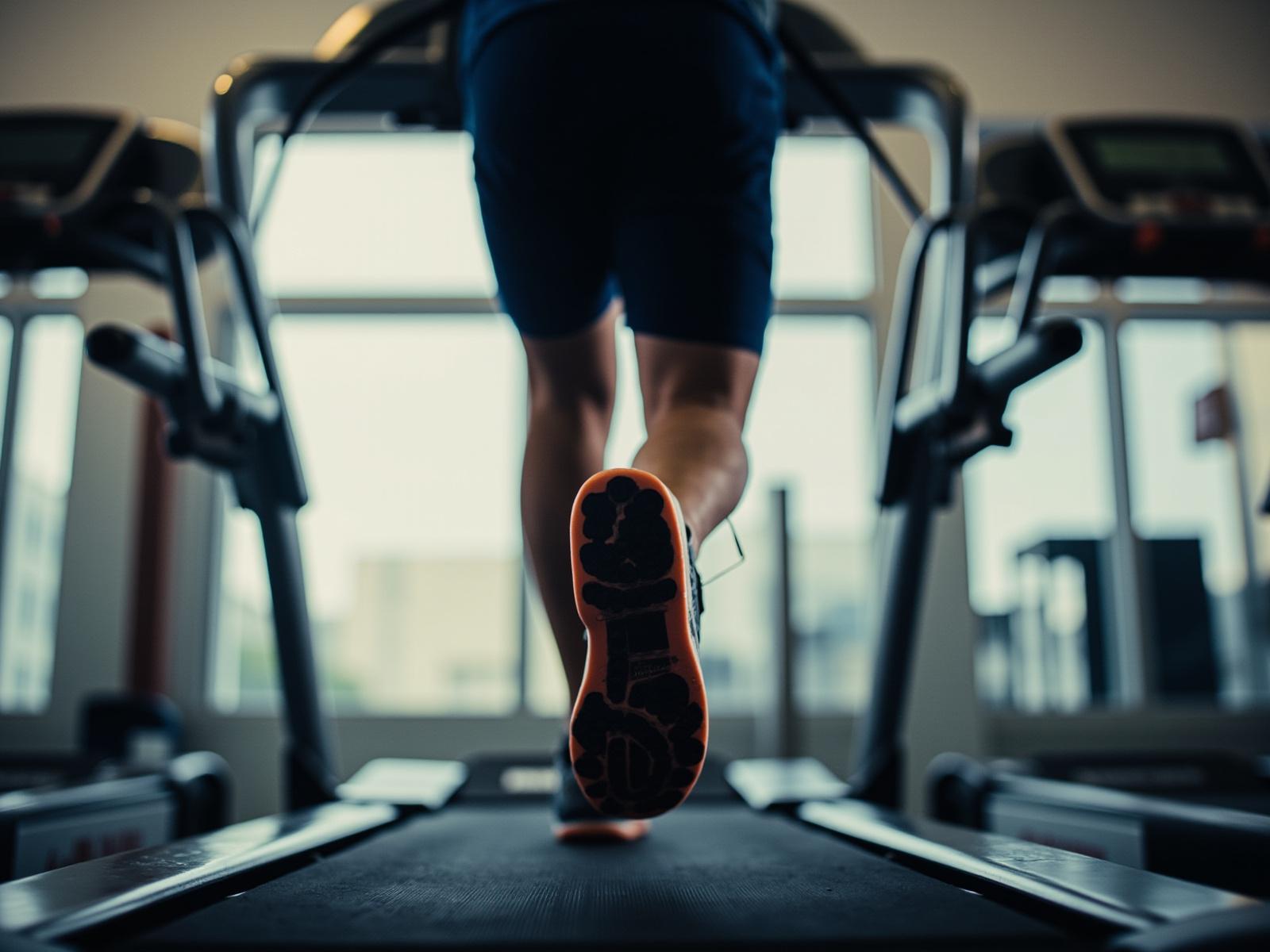
Fitness and everyday training — runs, gym sessions, commutes — favor all-day lightness and IPX4-class splash honesty over immersion claims. Cycling and endurance add wind-noise microphone performance, helmet compatibility, stable camera framing and endurance sized to real session lengths; the cycling-specific value proposition is mapped for brands on the sports and cycling solutions page. Trail and weather-exposed activity raises the sealing and impact expectations, with the mechanical load cases (drop, temple cycling, abrasion) verified through the methods in the test catalog. Context pages for the surrounding use cases sit under sports and outdoor applications. Matching the product to the athlete beats shipping one over-specified frame to everyone.
What to Verify Before Accepting the Sports Range
Procurement for sports deserves the most aggressive quality scrutiny in the whole catalog because failures are public and conditions are harsh. Confirm the water exposure the declared rating was actually tested to on the production configuration, not a development sample; request the mechanical test coverage for hinge and temple life under repeated opening; check functional verification includes pairing stability while moving and RF behavior with a phone stowed in a jersey pocket; and inspect sweat and cosmetic standards at the agreed AQL. The gate system behind these checks is on the in-process quality page, and the question list to send the factory before deposit is in the supplier quality questions article.
Frequently Asked Questions
Which IP rating do running and cycling glasses actually need?
IPX4-class protection against splashing from any direction is the honest baseline for sweat and frontal rain in land sports; IPX5 adds jet rinsing; IPX7 immersion is a survival specification, not a swimming claim. Match the rating to real exposure and verify it on the shipped frame — the full decode is in the IP ratings guide.
How do I test fit if I am buying from another country?
Order evaluation units across multiple head sizes and wear them under the real load — helmet, cap, sweat, thirty-plus minutes of motion — rather than judging a static try-on. Check camera framing stability as well as comfort, since bounce shows up directly in footage.
Why does battery life seem shorter during winter workouts?
Lithium-polymer cells deliver less usable capacity in cold ambient temperatures, and continuous recording with an active radio draws far more than the mixed-use standby profile. Request endurance figures under a defined active-use profile for your season, using the questioning method in the battery guide.
Can one frame cover every sport in the range?
Rarely well. Fitness, endurance cycling and weather-exposed trail use pull fit, sealing, weight and endurance in different directions; a deliberate 2–3 tier line matched to intensity profiles outsells and returns less than one over-specified or over-claimed universal model.
Why avoid the word "waterproof" in sports listings?
It is undefined and absolute, so marketplaces and customers read it as covering immersion and swimming that the tested rating may not provide. Use the precise mark with the tested exposure — wording that survives enforcement is defined on the claims policy page.
To match a sport smart glasses line to your customers' intensity profiles with rating, fit and endurance evidence on the table, open an RFQ at request a quote with the target sports, season and distribution channel.


