

Of all the spec abbreviations on a smart glasses box, IP54 is the one most often read as something it is not. Buyers see "IP54" and think "waterproof"; sellers sometimes let them. In the IEC 60529 system that defines the code, IP54 describes two narrow, laboratory-verified resistances — to dust and to splashed water — and it says nothing at all about swimming, showering, jet washing or surviving rain forever. This article decodes the exact two digits as they apply to eyewear, separates what the test proves from what marketing adds, and shows the questions to ask before the mark goes on a listing. The full scale across all ratings lives in the IP ratings guide, and the evidence behind any mark is covered in the test-report reading article.
Two Digits, Two Different Promises
The ingress-protection code is two digits after "IP". The first grades protection against solid objects and dust, from zero protection (0) through dust-tight (6). The second grades protection against water, from vertically dripping water (1) up to high-pressure hot-water jets and immersion (8/9). An X means that dimension was not assessed — not that protection is zero, but equally not that it passed. IP54 therefore means: digit one = 5, dust-protected; digit two = 4, splashing water from any direction. On smart glasses the first digit is frequently X (for example IPX4) because brands rarely market dust performance; when a frame carries IP54, it has actually been assessed against both.
What "Dust-Protected" (5) Does and Doesn't Mean
A first digit of 5 is not the same as 6. 6 is dust-tight: no ingress of dust at all under the test. 5 is dust-protected: the test chamber circulates talc-grade dust under defined conditions, and some dust may enter the enclosure, but not in a quantity that interferes with satisfactory operation or safety. For eyewear this distinction matters in genuinely dusty environments — unpaved trails, workshops, desert environments — where 5 describes "keeps working" rather than "stays sealed". Speaker ports, microphone holes and hinge gaps are the places dust finds; a design that passes 5 once is not guaranteed to pass after two seasons of temple flex and dropped units.
What "Splashing Water" (4) Actually Covers
The second digit 4 uses a defined splash test: water is projected from a oscillating spray fixture from all directions, at a specified flow rate and duration, onto a stationary unit in its standard operating state. Translated into eyewear life, that covers rain during a ride, sweat across a workout, splashes at a sink. It does not cover directed water from a tap (that begins at digit 5), immersion (digit 7), sea water, soapy shower water, steam, or high-pressure cleaning. It also does not cover water introduced through a deliberately opened port — a charging cover left open, or a frame hosed while warm from use. The rating belongs to the tested configuration, in a laboratory, new.
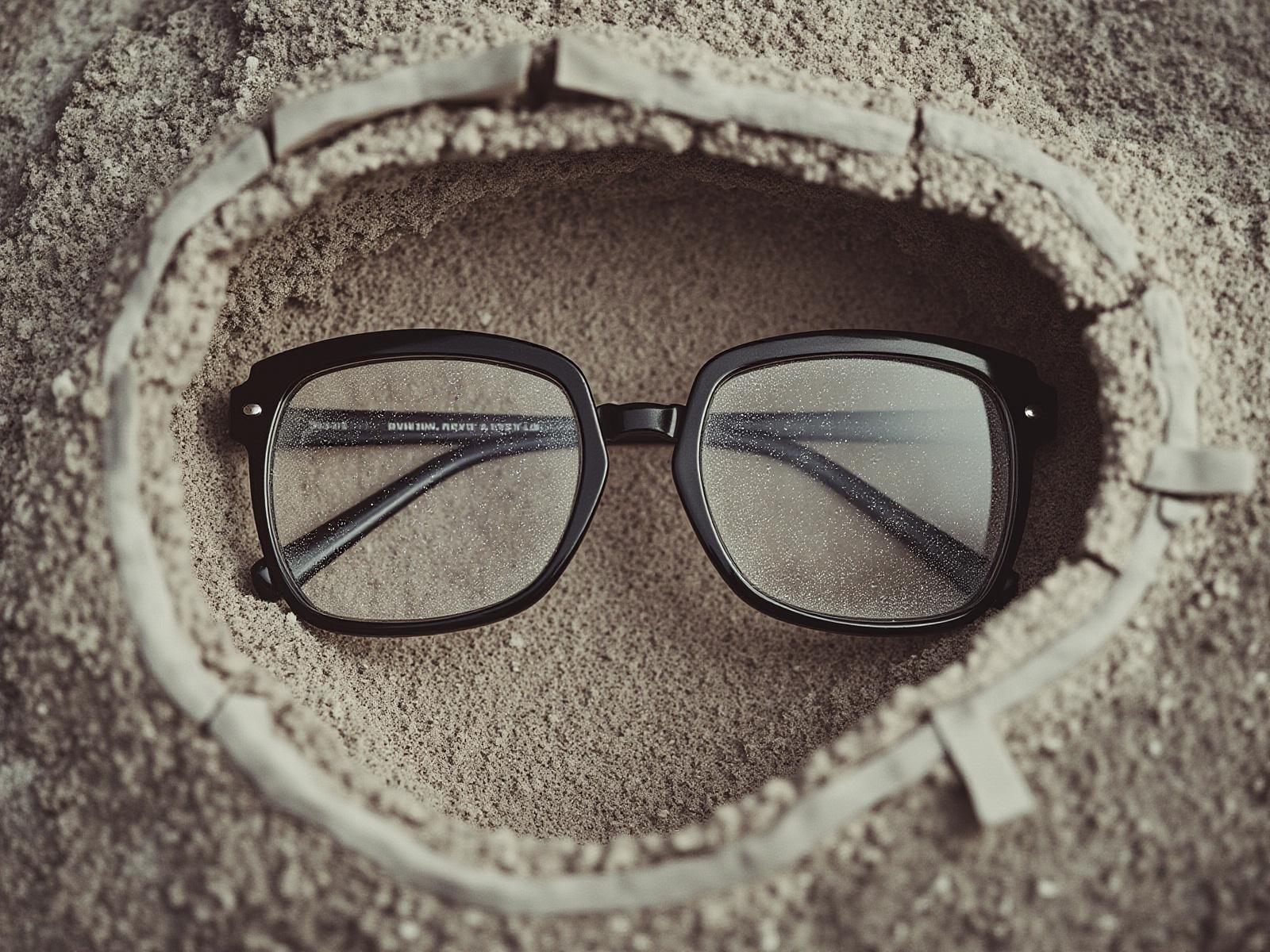
IP54 Against the Ratings You Actually Meet
Confusion usually comes from comparing codes that mean different pairs of things:
IP54 vs IPX4. Both share the same water result (splashing, digit 4). The difference is entirely the dust assessment: IPX4 was not tested for dust, IP54 was and passed level 5. A fashion frame and a work frame can share the identical water story while differing on dust.
IP54 vs IP55/IP56. The dust promise stays at 5; the water promise rises from splashes to water jets (digit 5) and powerful jets (digit 6). IP55 survives a tap rinse; IP54 does not claim to.
IP54 vs IPX7. These answer different questions. IPX7 means immersion to 1 metre for up to 30 minutes under defined conditions but says nothing about dust or spray resistance — a device can legitimately carry X7 and still not be marketed as rain-certified in the way IP54 implies. Ratings are not a ladder where 7 "includes" 4; combined codes such as IP67 exist precisely because they are separate tests.
The honest workhorse for running and commuter frames remains splash-level protection matched to real exposure, which is the same matching logic behind the sports glasses buyer checks.

What an IP54 Listing May and May Not Say
Defensible wording ties the claim to the tested condition: "dust-protected and splash-resistant to IEC 60529 IP54" is a factual statement when a valid report for the shipped configuration exists. Wordings that convert the mark into a general waterproofing promise — "waterproof", "swim-proof", "shower-safe", "use in any weather" — are not supported by IP54 and are exactly the kind of conditioned claim marketplaces now challenge. The claim-by-claim ledger is on the claims policy page, and the rules tighten further when the product is also marketed to children, where the medical and protective-claims boundary applies.
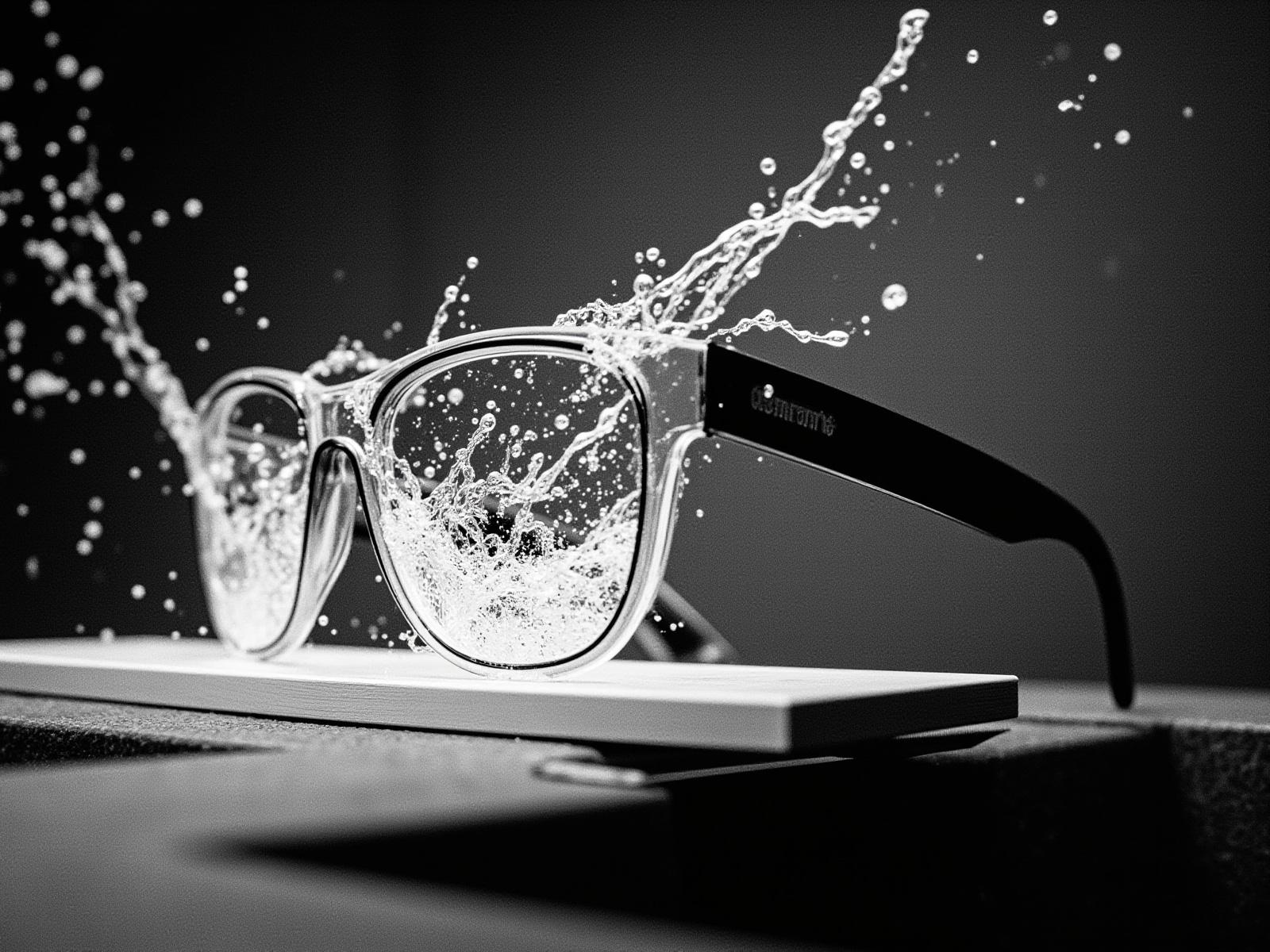
What Buyers Should Verify Before Using the Mark
Three checks separate a real IP54 from a printed one. First, configuration identity: the tested sample must match what ships — same port layout, seals, glues and temple design; a rating on an earlier tooling revision does not inherit forward. Second, the report itself: an IEC 60529 test record from a credible laboratory identifying the sample and conditions, read with the four-cornerstone method in the report-reading guide. Third, behavior after abuse: request samples and do the uncertified sanity checks yourself — run under heavy sweat exposure, cycle in rain, open and close the charging contact repeatedly, then inspect for fogging and port corrosion. The rated test is a gate, not a warranty program; how the factory controls seal consistency in mass production belongs to the in-process quality system. When a program genuinely needs more — tap rinsing, watersports, dusty worksites — the conversation moves up the scale and into custom sealing via the ODM process, where the target exposure is specified before tooling, not claimed after it.
Frequently Asked Questions
Does IP54 mean the smart glasses are waterproof?
No. IP54 means dust-protected (level 5) and resistant to splashing water from any direction (level 4) under defined IEC 60529 laboratory conditions. It does not cover submersion, showering, swimming, pressure washing or sea water, and it is not a lifetime weather guarantee.
Is IP54 better than IPX4?
For water, they are identical: both carry the digit-4 splash result. The difference is dust — IP54 passed a level-5 dust assessment, while the X in IPX4 means dust was simply not tested. Neither is strictly "better"; they describe different pairs of tests.
Can IP54 glasses be worn running or cycling in rain?
Typical rain and sweat are exactly the exposure the splash digit covers. The honest limits are directed jets, prolonged immersion and water through an open port, plus the fact that wear, drops and aging change seals over time — the rating describes the tested new configuration.
Can I wear them in the shower or wash them under a tap?
No on both. Steam, hot soapy water and a directed tap stream are outside the IP54 test; tap rinsing starts at the digit-5 water-jet level, and shower environments add heat and chemicals the standard never evaluates.
What do I ask a supplier claiming IP54?
Ask which exact configuration and tooling revision was tested, for the IEC 60529 report with laboratory and sample identity, whether the rating transfers to your custom build, and how seal consistency is controlled in mass production. Then validate behavior on samples under your customers' real exposure.
Matching the rating to the exposure your customers actually create is a program decision, not a marketing one. Request a quote with your target activities and markets to review tested configurations, available reports and the sealing options per platform.
Further reading
- IP54 Vs IP67 Vs IPX7: What Each Marking Actually Permits
- Can IP54 Smart Glasses Get Wet In The Rain? Here Is The Limit
- IP Rating (Ingress Protection) Explained For Smart Glasses


