
The cost of incomplete site visits
Repeat visits start with a missing angle
Every field inspection is a race against completeness. A claims adjuster at a fire-damaged kitchen, an underwriting surveyor on a factory roof, a utilities inspector at a storm-affected substation must capture enough in one visit for decisions made later by people who will never attend the site. When a photograph is missed, a serial number unreadable or a damage path undocumented, the result is a second appointment, a contractor re-visit, delayed settlement and the customer-experience and cost consequences that follow.
The standard tool is a phone, and it imposes a familiar tax. Each shot means stopping, taking off a glove, waking the device, framing with one hand and putting it away before climbing or opening the next panel. Inspectors ration the number of images because each one interrupts the walkthrough, so they capture the obvious damage and miss the contextual views — the wider room, the upstream cause, the asset label beside the defect. Hands-busy environments — ladders, roof hatches, cabinet doors, torches in dark plant rooms — make the friction worse.
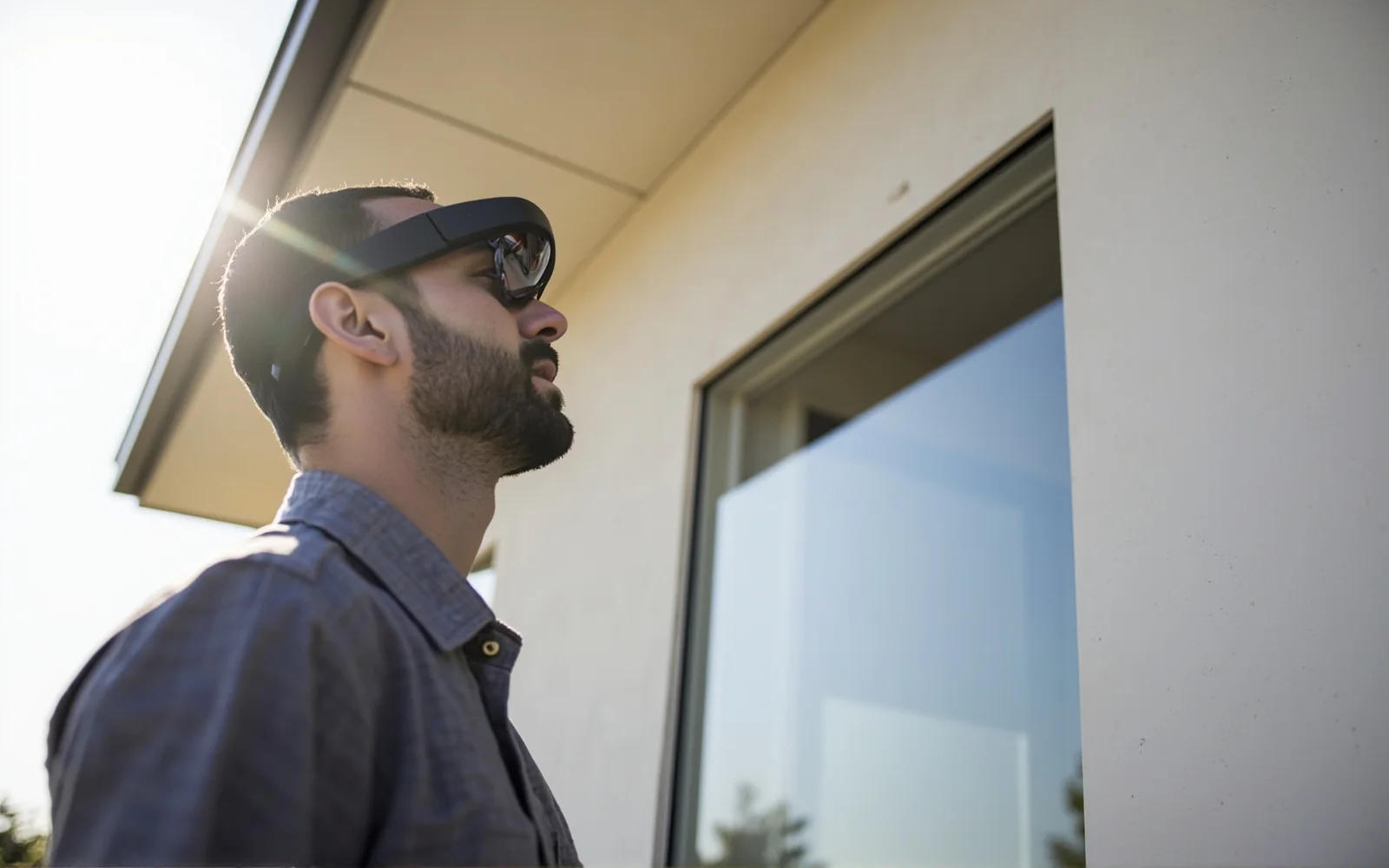
Head-worn capture removes that tax. A camera aligned with the inspector’s gaze documents conditions in the natural flow of the walkthrough, voice notes narrate findings while walking, and both hands stay on the ladder or the tool. A remote specialist can even join the site view and direct the inspection in real time — turning one visit into a guided, expert-backed visit.
The division of responsibility is unchanged. CYNRIN provides the eyewear hardware platform. The claims or inspection application, policyholder data, remote-expert session, storage and workflow belong to the insurer, broker or field-service operator and its software partners.
The inspection, hands-free
From arrival to a file a desk team can settle from
A successful deployment mirrors the existing inspection methodology; it simply removes capture friction and connects the site to the back office.
- Arrival and consent. The inspector confirms the visit with the policyholder or site contact and begins the session through the inspection application, with recording state visible to anyone present.
- Walkthrough capture. Damage, assets and hazards are photographed from the inspector’s point of view at each step — wide context plus close detail — while voice notes record what the images do not show.
- Structured evidence. Voice or touch confirmations tick the survey checklist — meter readings, safety hazards, asset tags — so the back office receives a complete file, not an unsorted camera roll.
- Remote expert joins the site. Where the program includes live sharing, a senior adjuster, underwriter or engineer joins the first-person view, asks the inspector to look closer at a specific area and settles questions on the spot instead of scheduling a revisit.
- File into the insurer’s system. Media and notes route through the inspection application into the claims, underwriting or asset-management system, which governs access and retention.
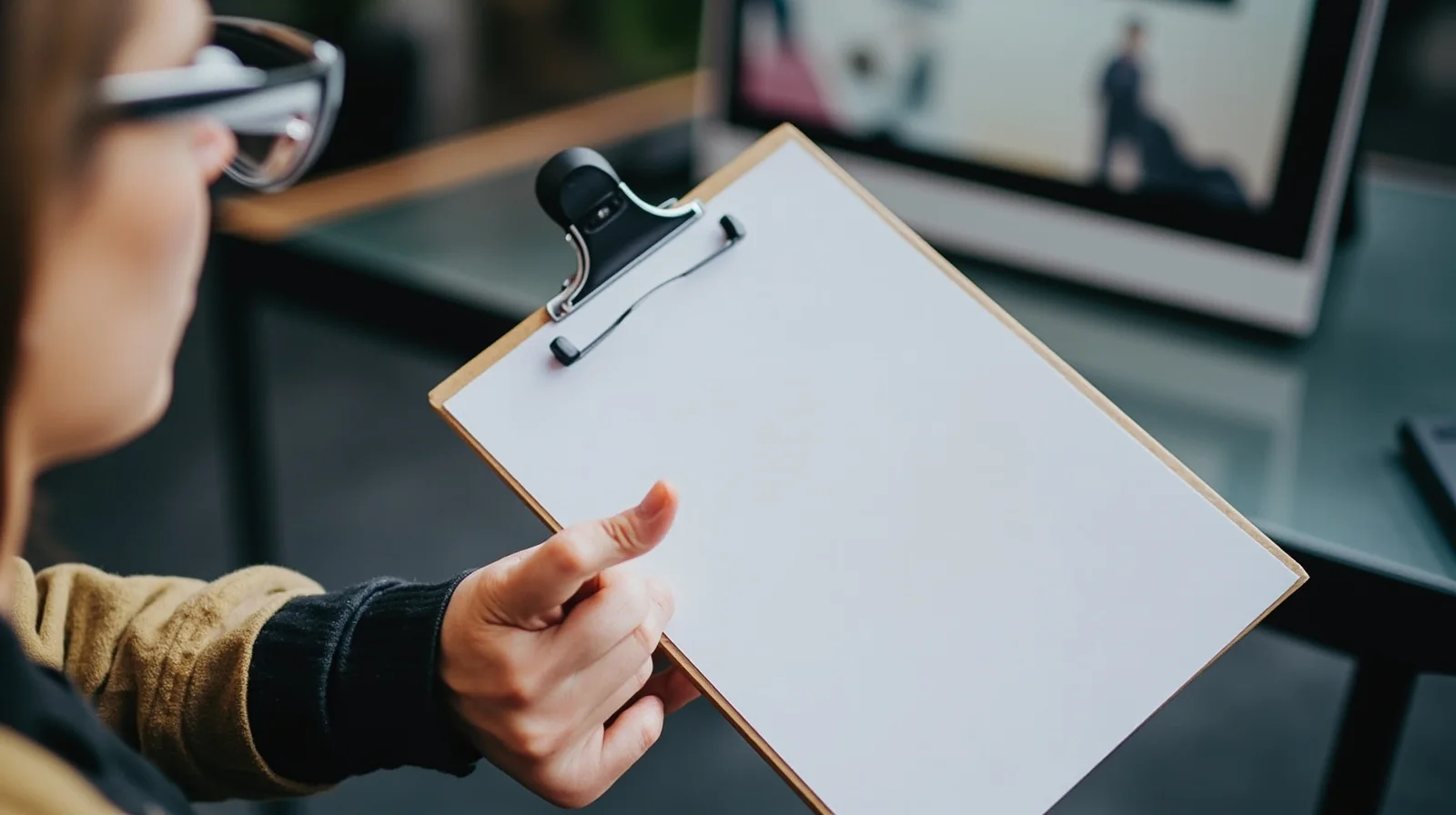
Live sharing is delivered through the solution provider’s application over available connectivity; session behavior and integration depth are scoped per program rather than promised generically. The operational mechanics are identical to remote expert assistance in industry, applied to a surveyor’s visit rather than a production line.
Where it is used
Inspection settings that pay back in fewer revisits
The strongest cases combine expensive site access, expert scarcity and documentation that genuinely settles a decision remotely.
Property and casualty claims adjusting
Storm, water, fire and impact claims are documented in one richer pass, with a desk adjuster able to join complex losses live. Faster, better-evidenced files shorten cycle time and reduce both leakage and the friction of re-attendance for the policyholder.
Underwriting surveys and risk engineering
Pre-binding risk surveys capture premises conditions, fire-safety features and hazards hands-free, with a remote underwriter able to direct attention to the areas that actually change the quote.
Utilities and telecom field service
Storm-damage assessments, pole and cabinet inspections and infrastructure condition surveys document distributed assets at pace, hands free at height or in constrained spaces — the field-engineering counterpart to the patrol and lone-worker guides in this cluster.
Estates, warranty and compliance inspection
Facilities teams, warranty inspectors and loss adjusters document building fabric, installed equipment and remedial work in a consistent first-person format that desk reviewers can adjudicate without attending.
Consent and evidence discipline
Policyholder trust is a deployment requirement
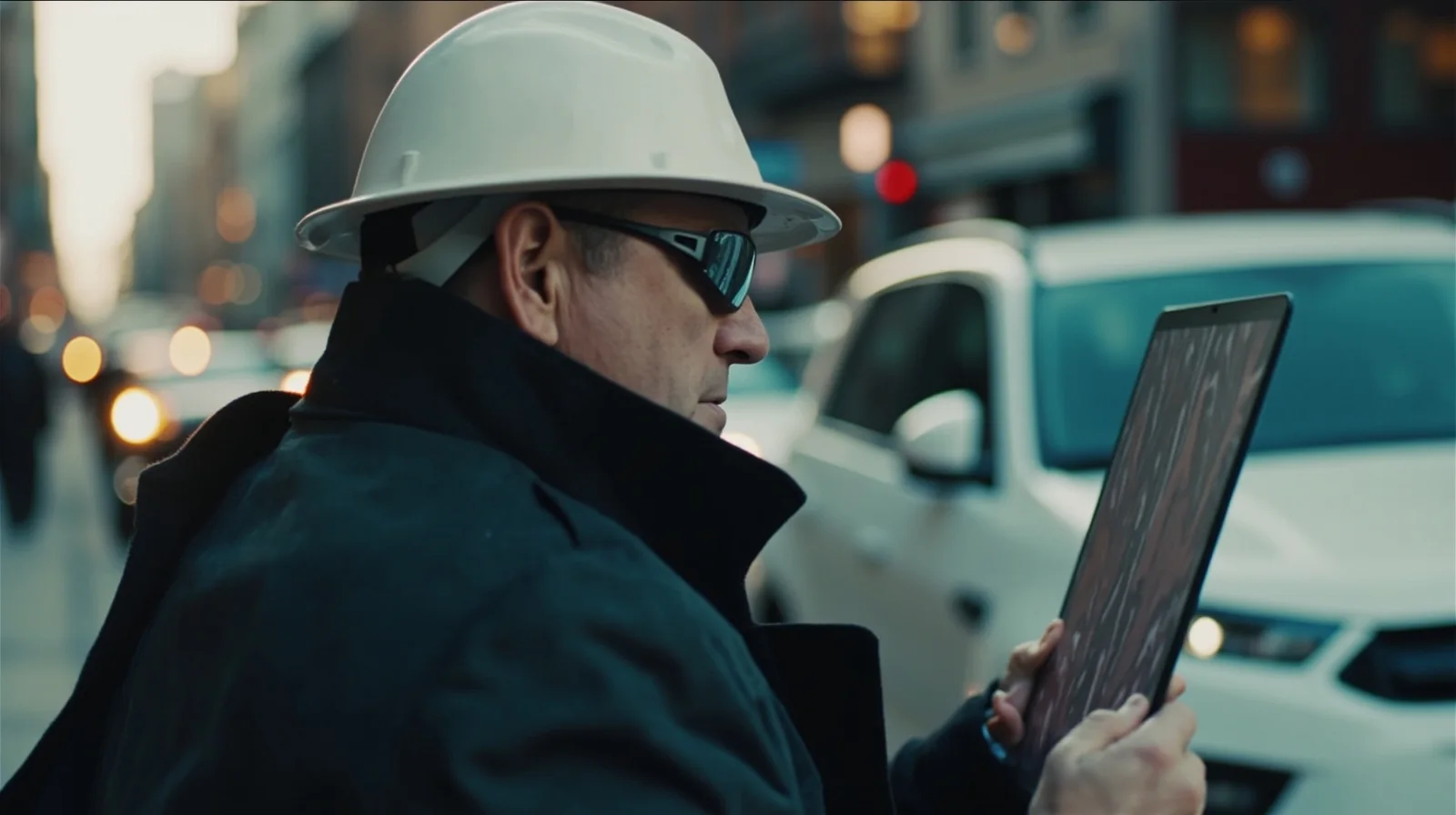
Insurance inspection enters private homes and business premises, so consent and visible capture state are not optional refinements.
- Policyholder consent and notice. The insurer or adjusting firm defines how capture is explained and agreed with the policyholder, including what is recorded, why and who will view it — adapted to each jurisdiction.
- Overt indicators. A visible active-state indicator shows occupants when capture is live; bounded, survey-scoped capture is preferred to continuous recording, and covert use is not supported.
- Evidence stays in the insurer’s system. Media routes into the claims or underwriting platform with its own access control, retention and disclosure rules; the glasses are not a personal data store and surveyors cannot build an unmanaged archive on them.
- Consistent method, defensible files. First-person capture applied to a standard checklist produces uniform evidence across adjusters, which protects the file in dispute and audit.
Compared with purely industrial inspection — covered in the inspection and QC documentation guide — the mechanics are the same but the consent bar is higher, because the subject is often someone’s home or business. Related field-documentation patterns in other sensitive settings are explored on the security and field-work pillar.
Specifying inspection hardware
Mixed light, wet sites and a full day of visits
Inspection days are hard on optics and batteries alike: bright exterior walls followed by dark interiors, wet roofs after storms, dusty plant rooms and a schedule of five or six sites. The camera-first V03-T5 reference platform serves the first-person stills and clips the workflow depends on; lens options and tints are selected for glare and variable outdoor light, and real camera performance under the program’s lighting range — including genuinely dark spaces — is stated on the program datasheet. We do not claim night vision.
Materials, sealing and port layouts are chosen for rain, sweat and dust exposure and validated per program under the quality-control process; no generic ingress rating is promised. Fit is reviewed for hard hats and bump caps, prescription wear and glove-friendly capture controls. The standby-plus-capture power profile is matched to a multi-visit day, with charging between sites or in the vehicle handled through fleet cases rather than assumed.
Where the role is communication-led — remote guidance with little archival capture, or visits in privacy-sensitive premises — an audio-first platform such as E13 or K01 may be the honest fit. Branding, case tooling and inspector quick-start material are handled through customization.
Building the program
A purchasing path for insurers, survey firms and field-service operators
Customers in this space are insurers and managing general agents, adjusting and survey networks, utilities field-service organizations and inspection-technology vendors that already own the receiving software. Programs come together in five steps.
- Scope the inspection type. Claims lines or survey types, indoor versus outdoor mix, lighting range and the checklist the back office needs completed.
- Select the platform. Camera-first or audio-first, headgear and lens fit, capture controls and the multi-visit power profile.
- Define integration and live sharing. Companion behavior, routing into the claims or asset system and any remote-expert sessions are scoped with the software owner under an ODM program.
- Pilot on real claims. Evaluation units run a bounded set of visits; measure repeat-visit rate, file completeness and policyholder acceptance of the consent model.
- Scale a branded fleet. Private-label units, charging cases and provisioning roll out across the adjuster or inspector network; volumes, lead time and documentation are confirmed per program.
The outcome is the one field operations actually buy: one visit that produces a complete, adjudicable file, expert judgment pulled onto site instead of dispatched to it again, and a consent model that survives a policyholder’s living room. Begin with request a quote, review the samples process, and see OEM and MOQ for branding and fleet tiers.
Buying considerations
Field inspection eyewear brief
Inspection types and environment
Claims lines or surveys, indoor/outdoor mix, roofs, cabinets, weather and lighting range.
Receiving system
Which claims, underwriting or asset platform receives media and how sessions are routed.
Consent and privacy model
How capture is explained to policyholders, retention rules and active-state indicators.
Remote-expert requirement
Whether desk adjusters join sites live, and the network conditions at typical locations.
Visit-day power and durability
Multi-visit duty profile, weather exposure, headgear and between-site charging.
Fleet and provisioning
Issued or shared units, enrollment, reset, rugged cases and network/data provisioning.
Browse the application
More security & field work guides
Keep exploring
Related reading
FAQ
Frequently asked questions
Do photos and notes sync directly into our claims system?
Can a remote underwriter or senior adjuster see the site live?
How is policyholder consent handled in their home?
Do the glasses work in dark interiors or bad weather?
Can an adjusting network private-label a fleet?
Build this use case into a private-label program
Tell us the workflow, environment and volume. Engineering scopes the platform, optics, power and documentation per program.