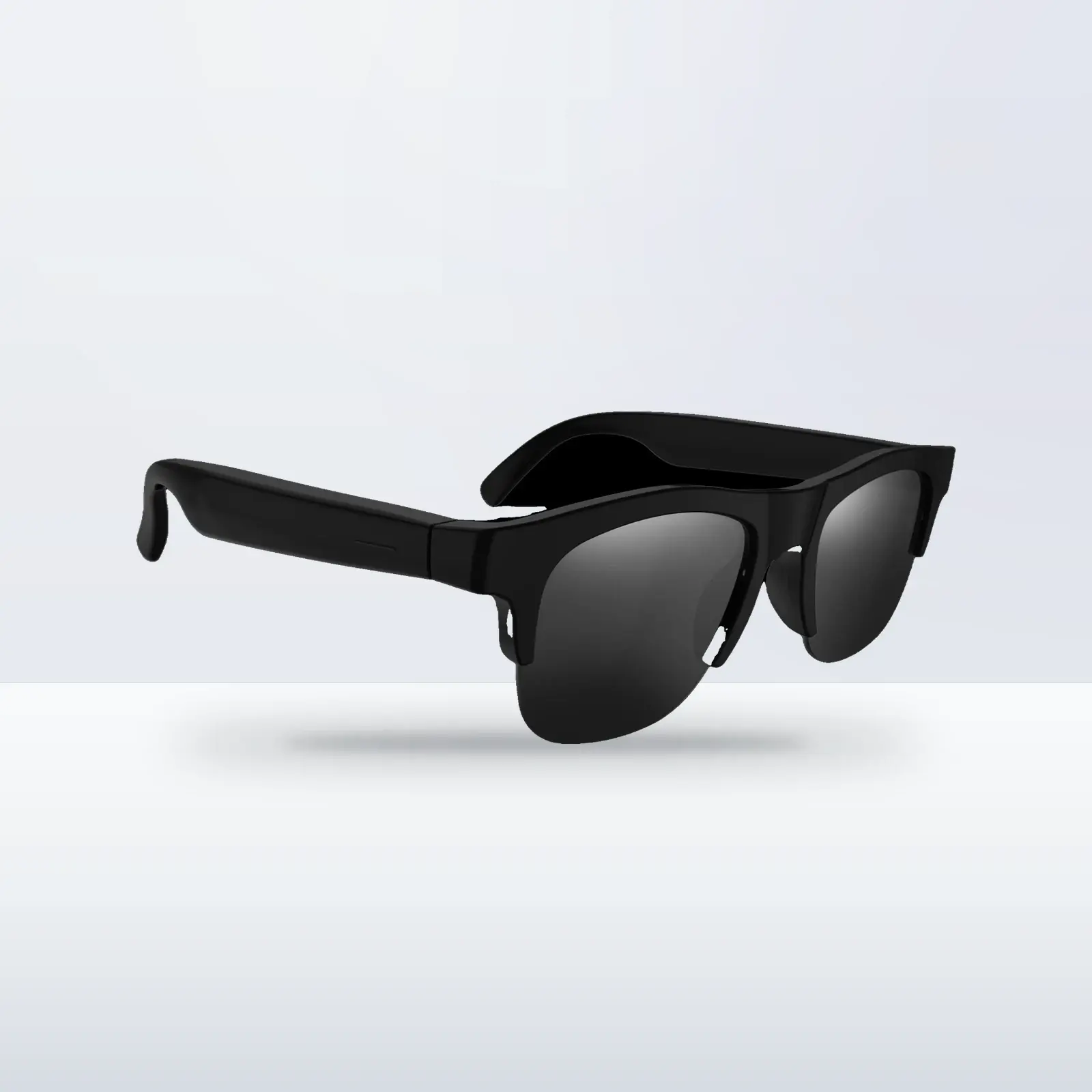
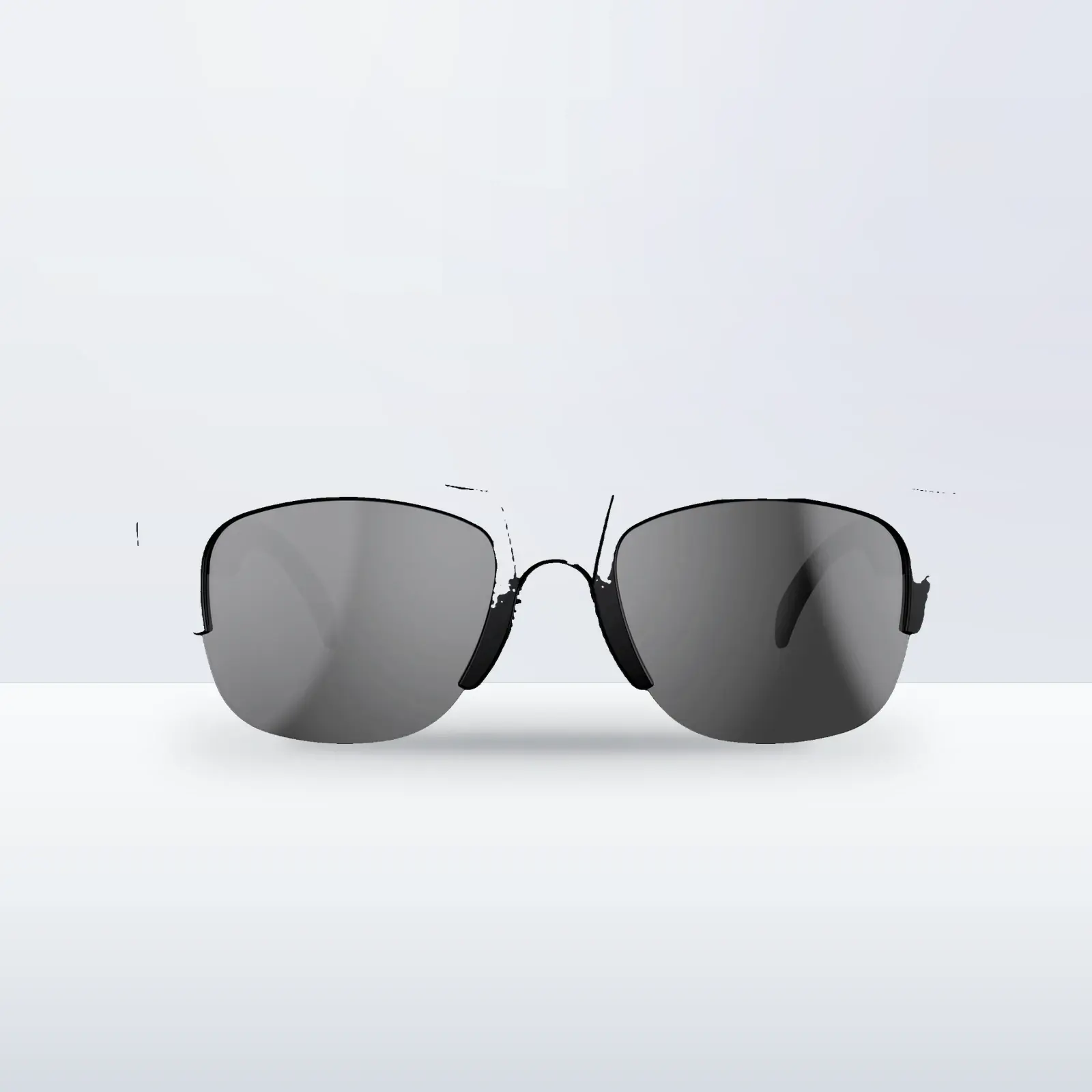
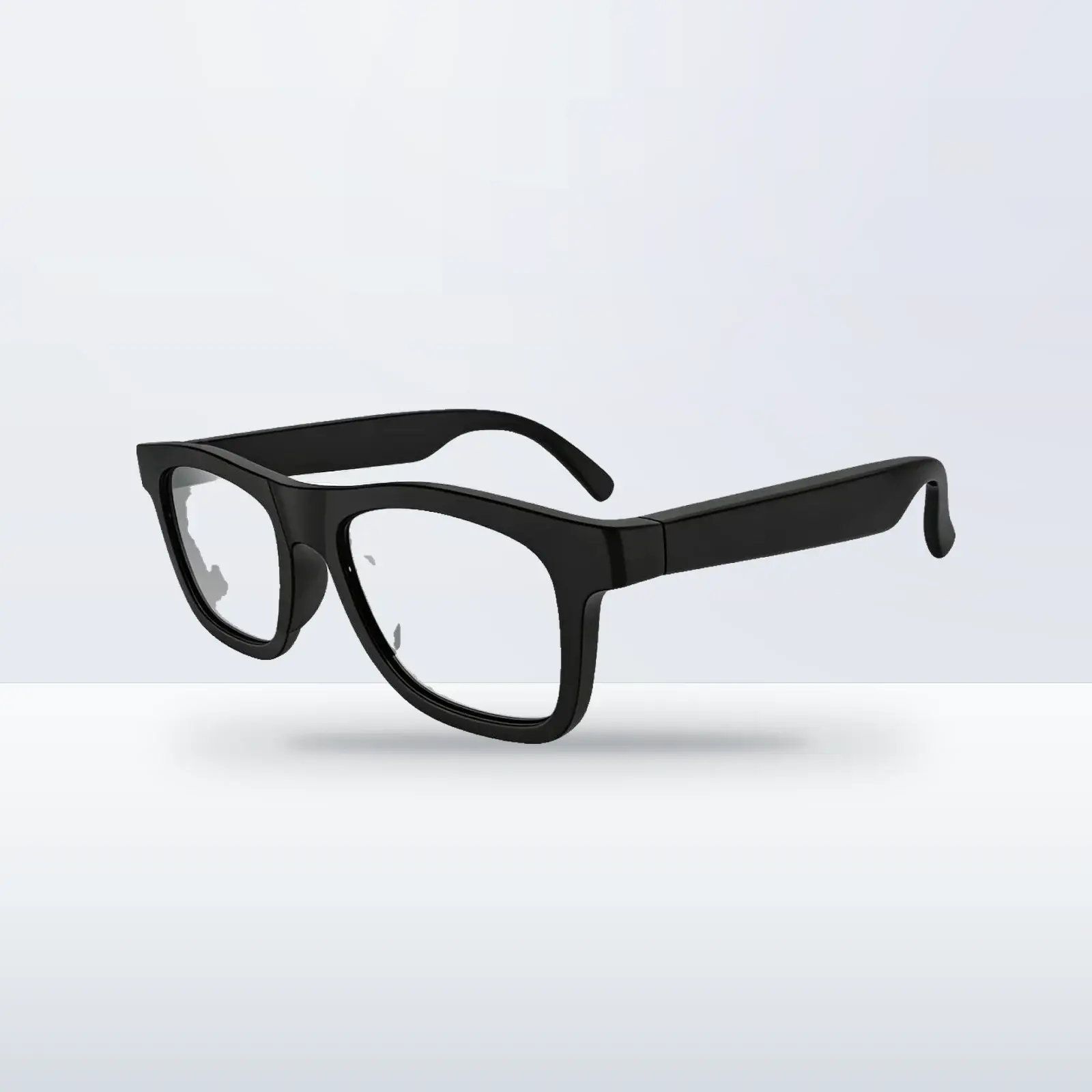
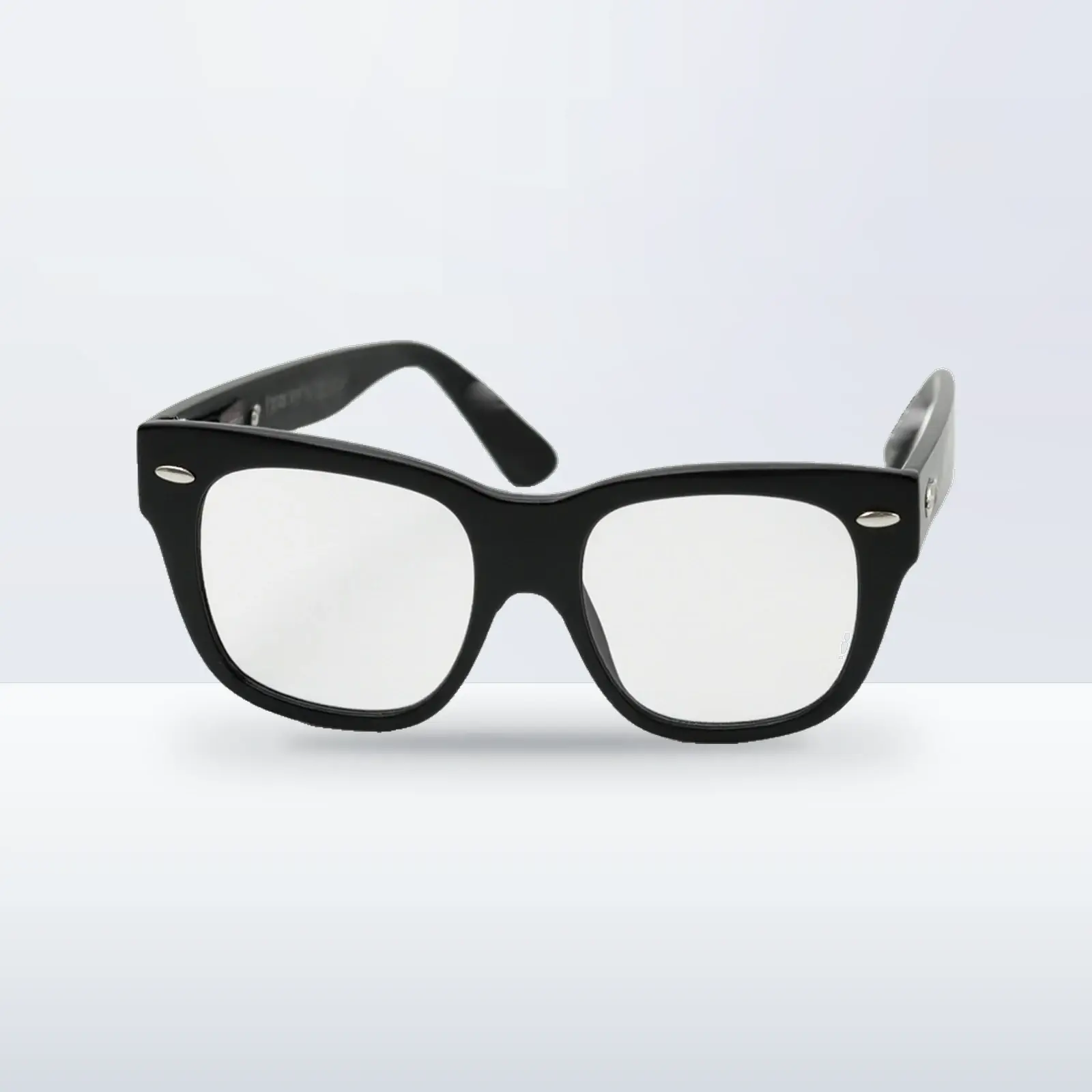
What is the D12 and what does it do?
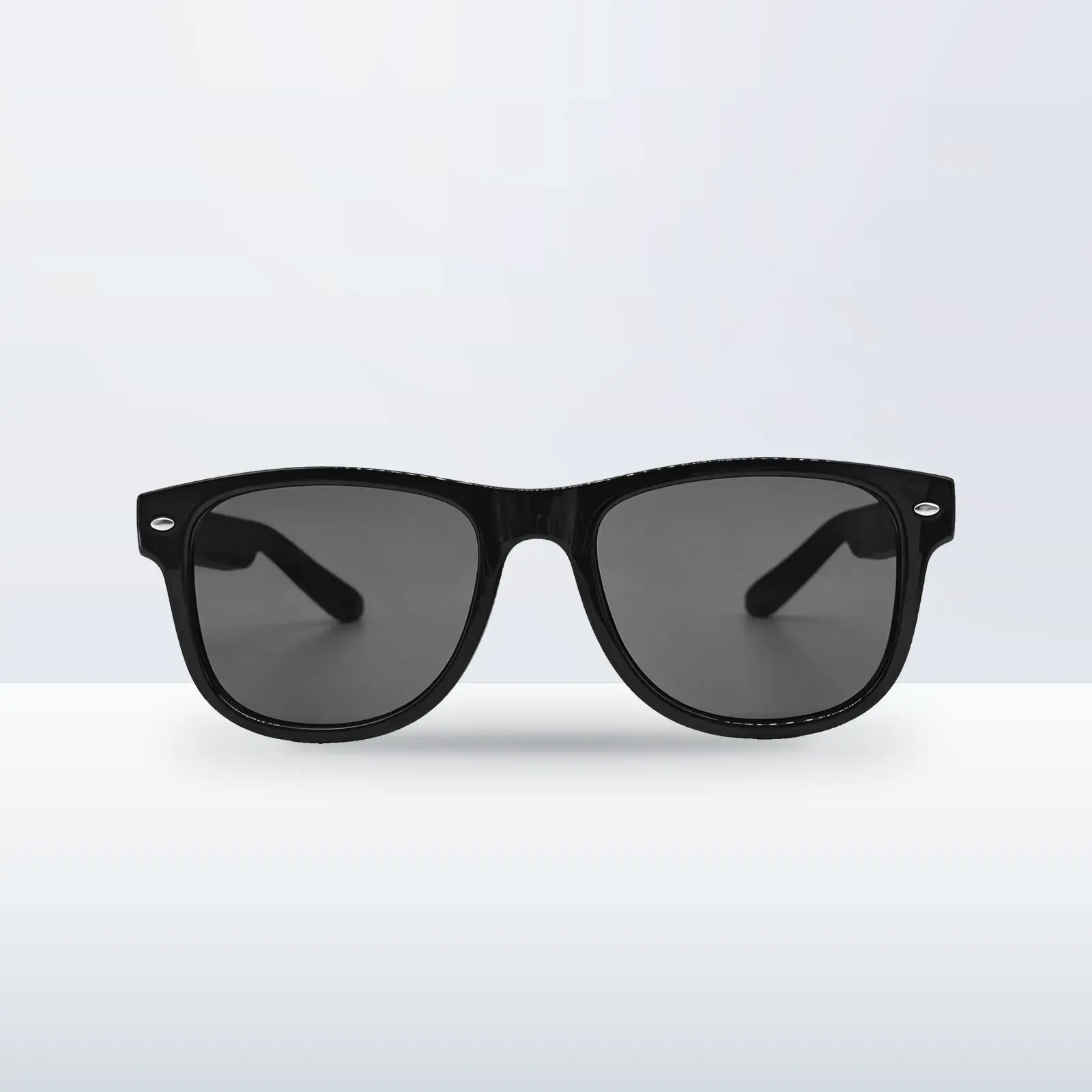
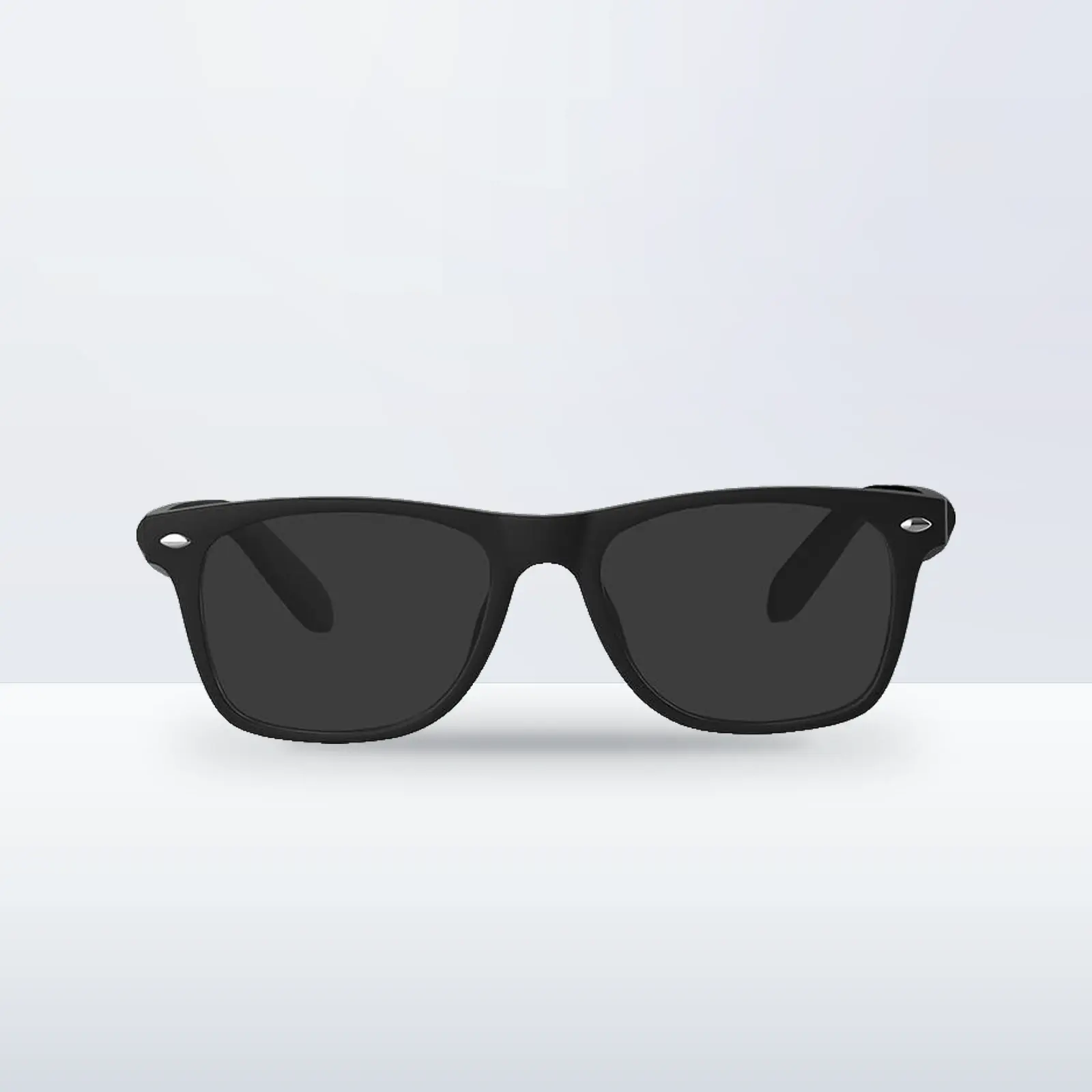
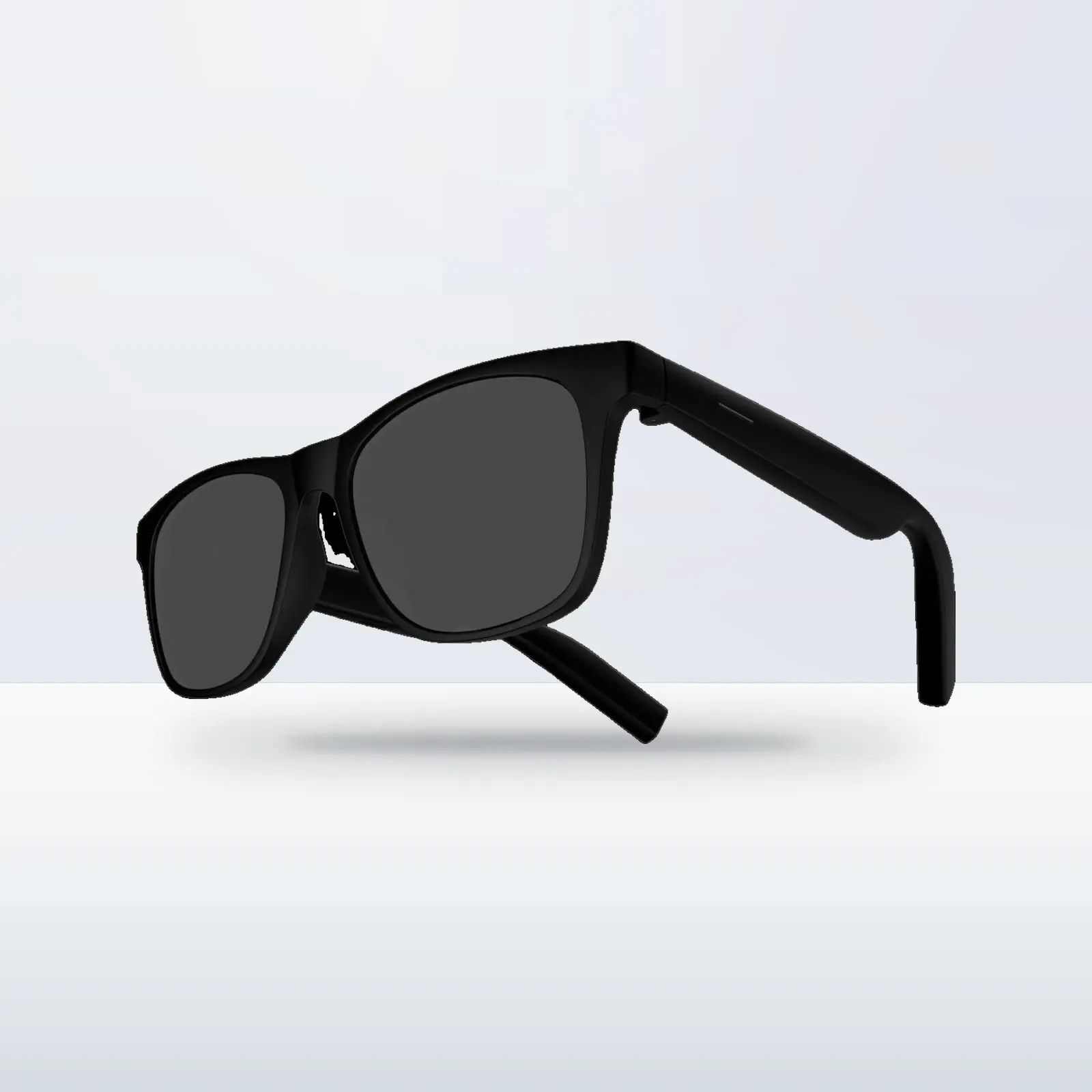
The D12 is an open-ear Bluetooth audio glasses model on CYNRIN's D platform, publishing Bluetooth 5.4, a 100mAh cell, Type-C charging, a ≤2h reference charging ceiling and ~7h of reference music playback. It plays everyday music and call audio without blocking the ears. Per its published description it is a same-platform variant of the D11, offered for differentiated appearance across markets rather than as a separate electronics design.
Is the D12 the same product as the D11?
They share a platform, not a published spec sheet. All five D12 rows — Bluetooth 5.4, 100mAh, Type-C, ≤2h and ~7h — match the D11 rows exactly, and the D12 is published as an appearance variant of the D11. The honest difference is finish and configuration: the D11 additionally publishes a Features row reading Surround sound, while the D12 publishes no Features row, so surround is never claimed for the D12.
What does differentiated appearance mean in practice?
It means the frame can be offered with different colour, painting, trim or surface-treatment treatments per market while the Bluetooth 5.4 radio, 100mAh cell and Type-C charging hardware stay the same as the D11. The specification record does not publish colour names, materials or finish options, so those are agreed through drawn samples and confirmed on the configuration sheet and proforma invoice per project before tooling.
Why does the D12 use Bluetooth 5.4?
Bluetooth 5.4 is the published radio for the whole D platform — the D11 and D12 both carry it, as do the LC-105 twins and G07 — whereas the K02 and E13 publish Bluetooth 5.3 and the K01 lists BLE 5.4. Sharing one radio generation across the D11 and D12 keeps firmware, pairing behaviour and certification planning common. The exact module and firmware build are confirmed on the configuration sheet per project.
How long does the D12 battery last?
The published music playback time is ~7h under reference conditions, exactly matching the D11. The approximate sign is deliberate: the figure is measured at a defined volume with a defined paired phone, and high volume, frequent calls or weak signal shorten it. The K02 and LC twins publish ~8h and the E13 about 5 hours; talk time, standby time and mixed-use figures for the D12 are not published.
What does the single 100mAh cell mean for the D12?
The D12 publishes one 100mAh cell, the same pack as the D11, rather than the dual-cell 90mAh × 2 configuration in the K02 or the 55mAh × 2 layout in the LC twins and G07. A shared single-cell design is part of why the D12 can be offered as an appearance variant without new power validation. Cell voltage, supplier and cycle life are not published and are confirmed per project.
How does Type-C charging work on the D12?
The D12 charges through a standard reversible Type-C port with a published empty-to-full reference ceiling of ≤2h under defined conditions, the same interface and ceiling as the D11. Users charge with ordinary Type-C cables and retailers plan a common accessory pack across both D-platform SKUs. Adapter wattage, whether a cable ships in the box and the reference test profile are not published and are confirmed per project.
Does the D12 support hands-free calls?
The D12 is published as an open-ear audio glasses model for everyday audio, and the legacy feature language lists hands-free calls over the same Bluetooth 5.4 link. Its formal specification rows do not publish microphone count, wind-noise performance or a separate talk-time value, and no Surround sound feature appears on the D12 record; call tuning and mic details are confirmed on the configuration sheet per project.
What frame material, lens options and temperature range apply?
None of those is published for the D12. Operating temperature, frame material and lens options are absent from the five published rows and render as Not published in the family table rather than being borrowed from the K01, which separately publishes -10°C to 60°C and PC+ABS. Material, lens type, colour range, hinge design and weight are agreed during finish sampling and confirmed on the configuration sheet per project.
What is the MOQ for a D12 order?
Catalogue OEM configuration of the D12 starts at 500 units with catalogue colours, packaging and accessories. Branded OEM — custom logo, printed packaging, branded documentation and the differentiated finish treatments the model exists for — typically starts at 1,000 units. ODM changes to structure, acoustics or electronics are evaluated separately at typically 3,000–5,000 units. The final minimum is confirmed in writing against the concrete brief.
Can the D12 be customised differently from the D11?
Yes — differentiated appearance is the model's stated purpose. Each market can define its own frame colour, paint finish, trim, packaging inserts and documentation while sharing the D11's radio, battery and charging hardware, and custom scope is recorded separately per SKU on the proforma invoice. Because no material or lens rows are published, structural and optical changes move into ODM scope and are quoted and confirmed separately.
Which certifications and lead times apply to the D12?
CE, FCC and RoHS are certification capabilities at CYNRIN, verified per destination market on request rather than blanket claims for a particular D12 build; naming target markets at RFQ scopes the correct radio, battery-shipping (including UN38.3) and materials documents. Sample timing is confirmed after the brief is reviewed, and mass production typically runs 15–40 days after deposit, with platform-shared electronics helping keep the schedule predictable.