What is the K02 and what does it do?
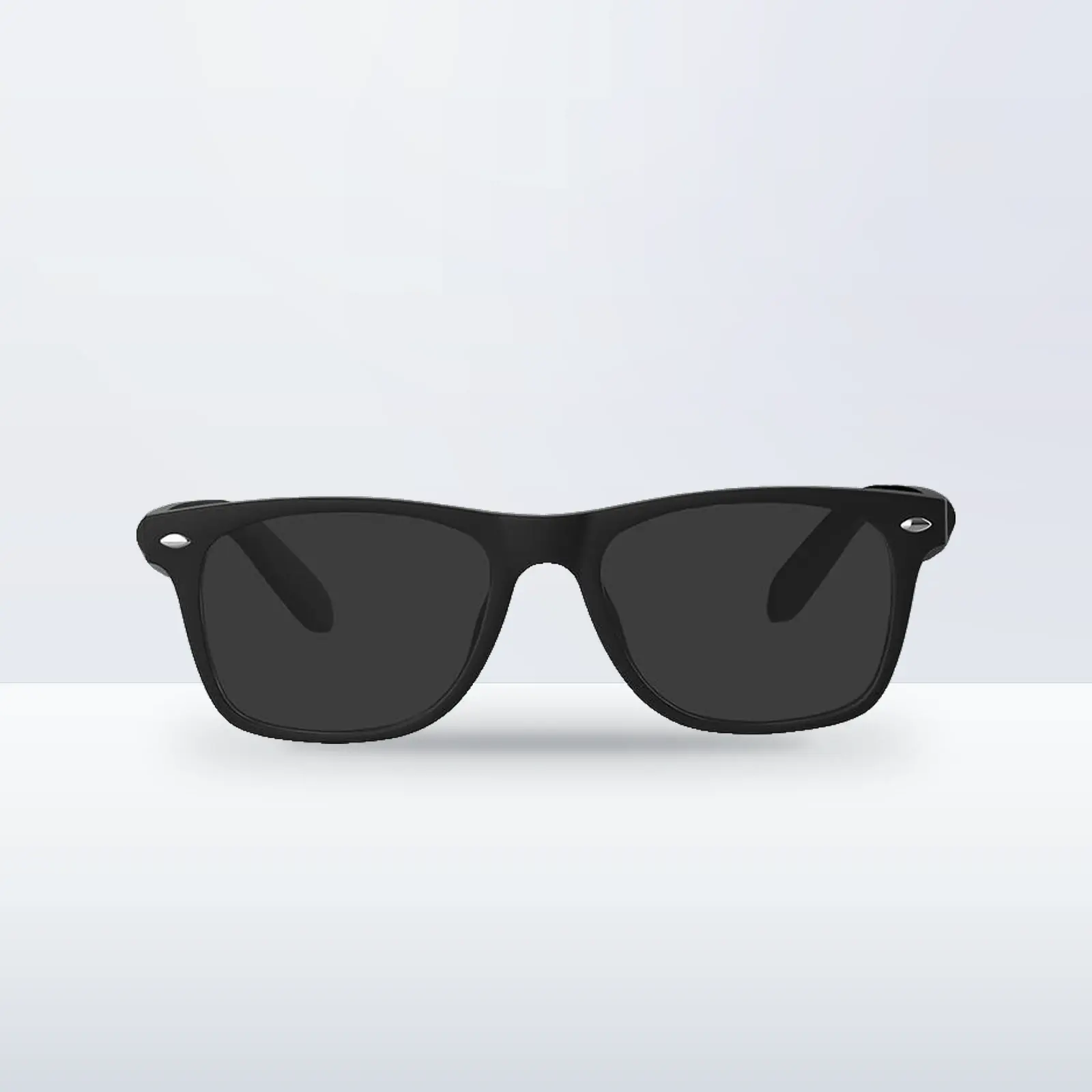
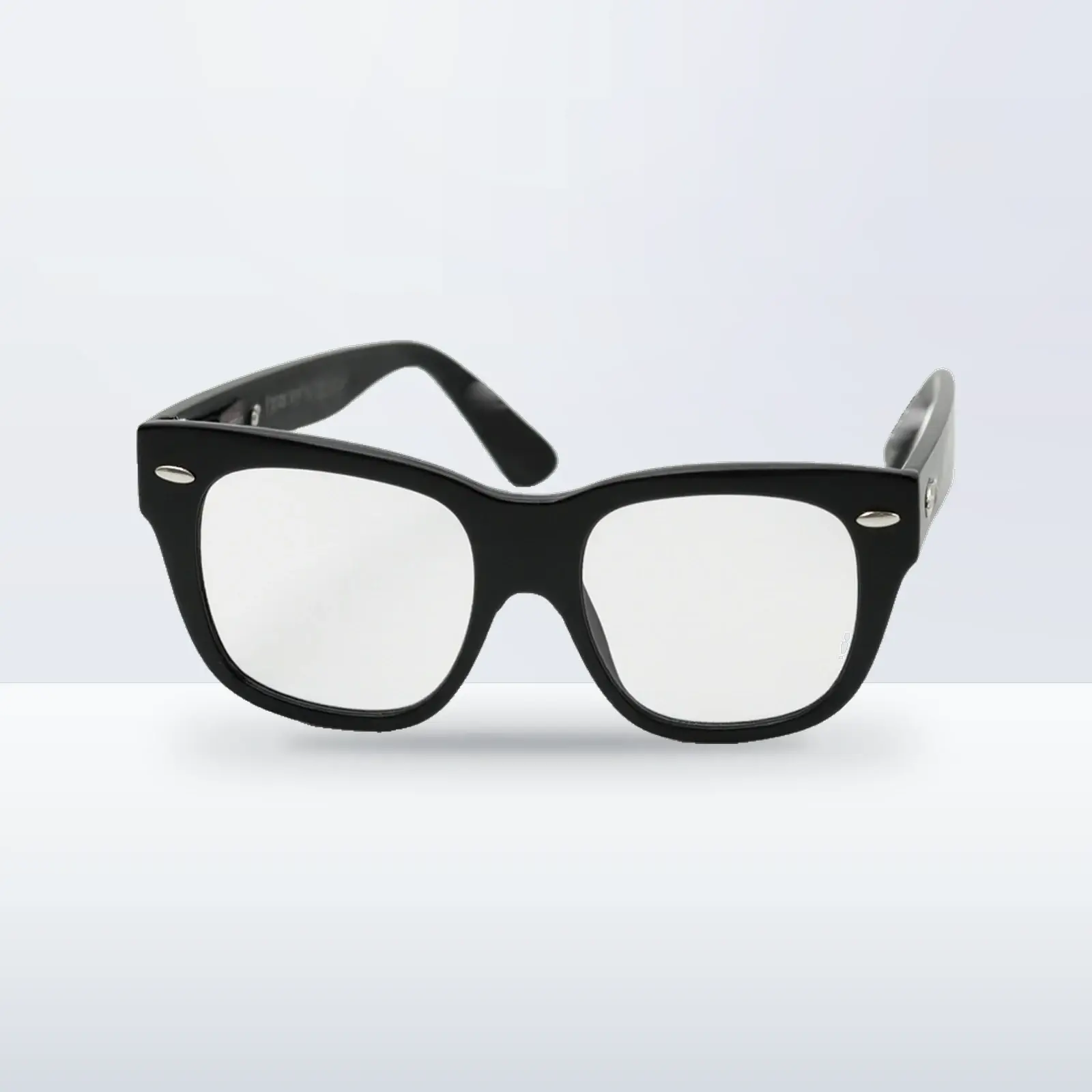
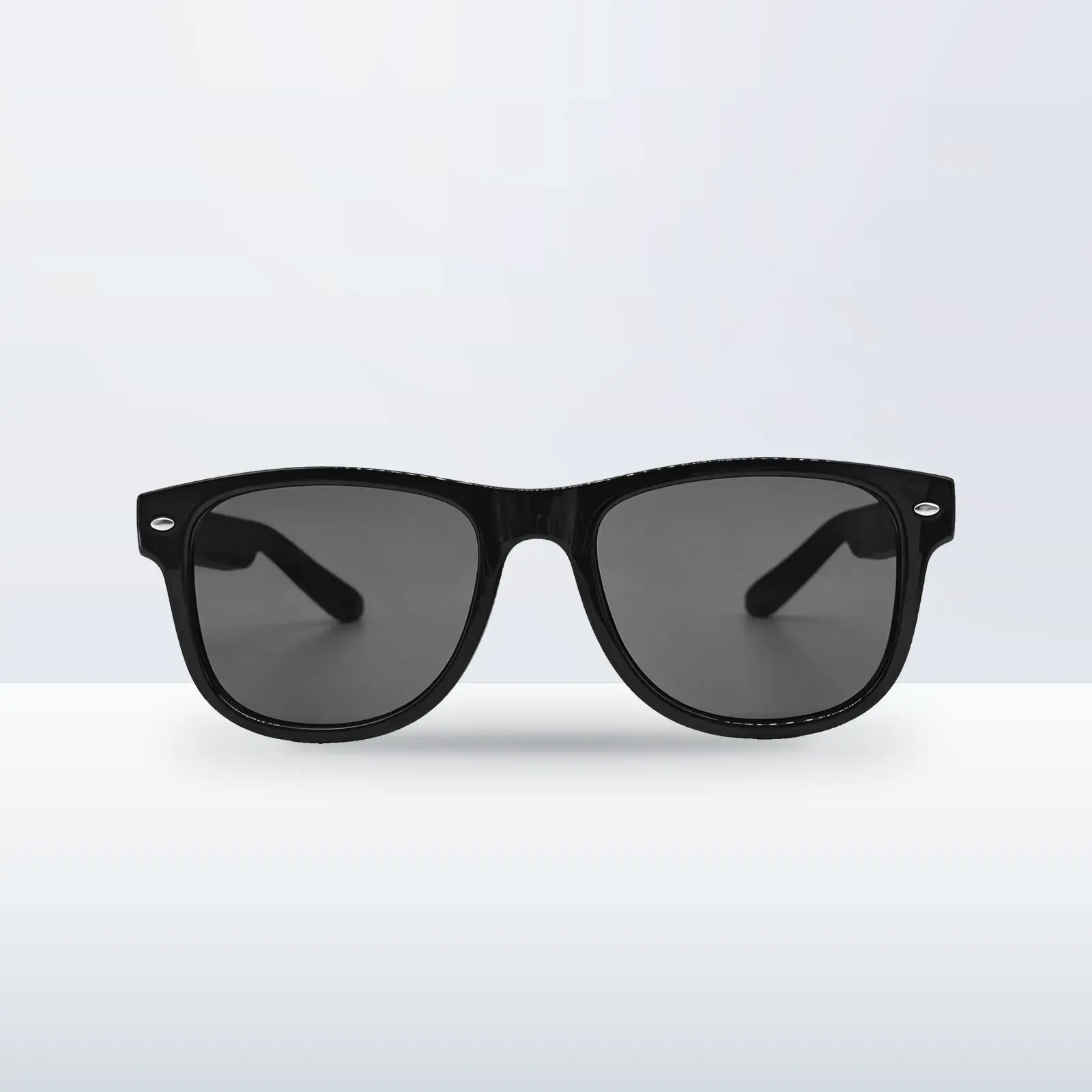
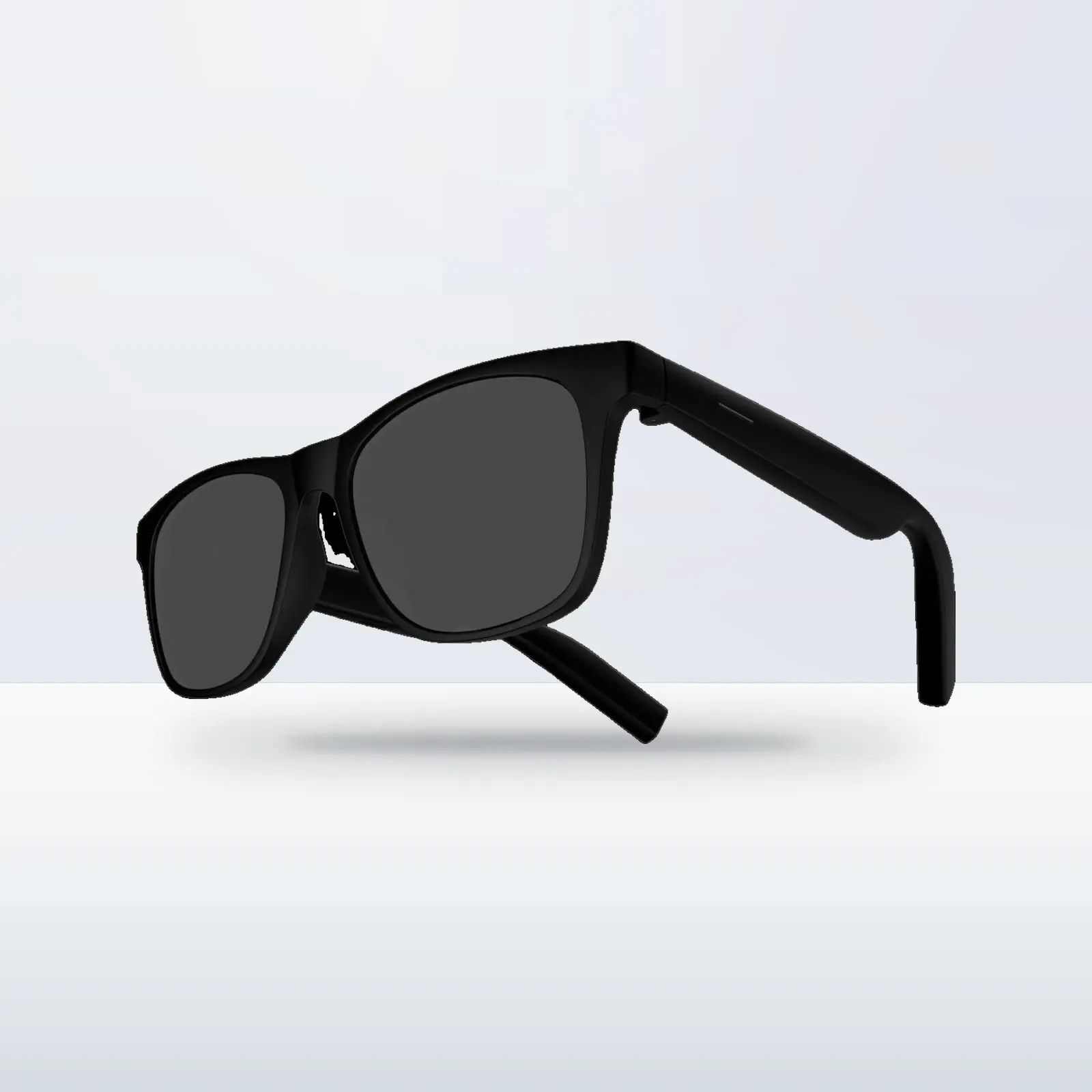
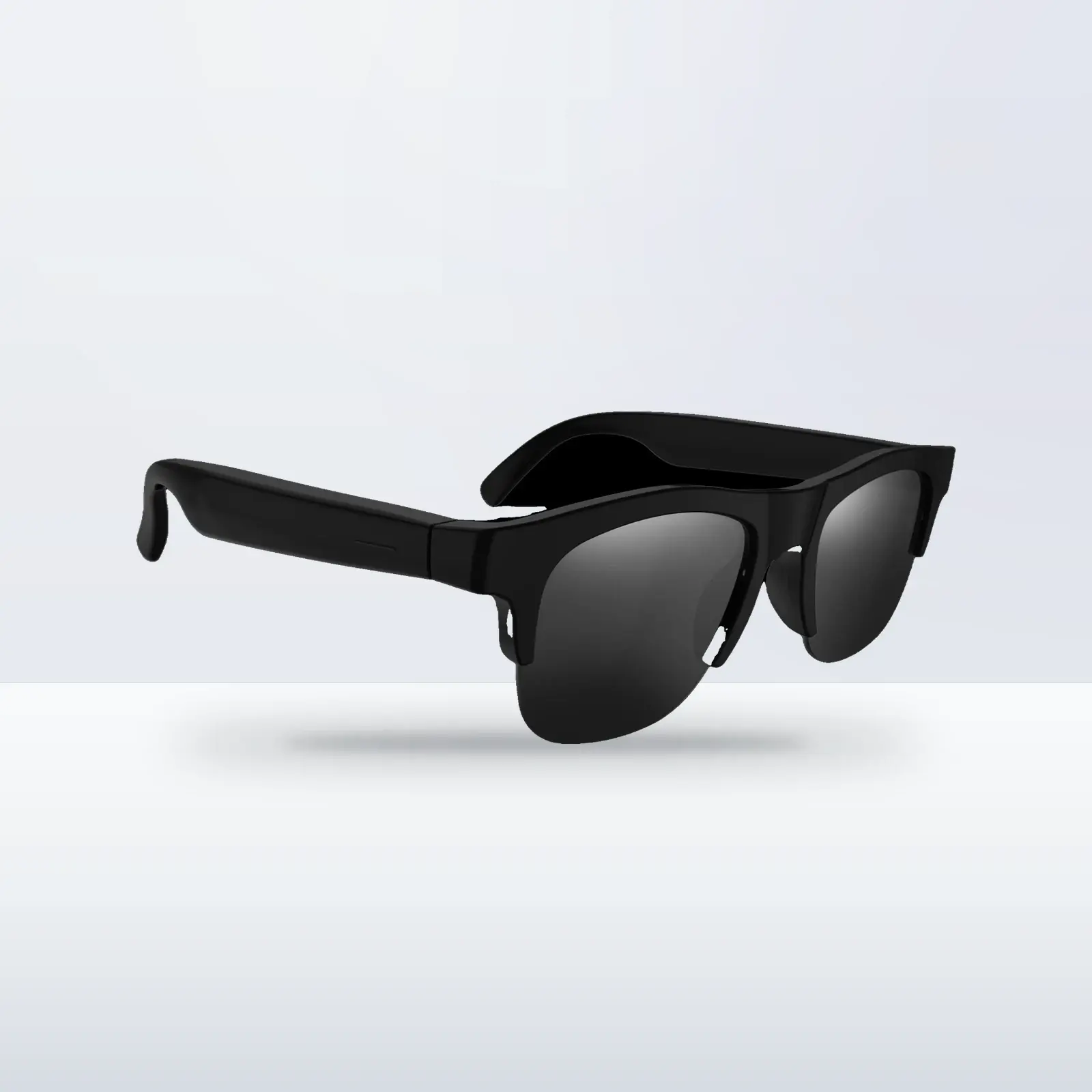
The K02 is an entry-level open-ear Bluetooth audio glasses platform: it plays music and supports hands-free calls over a Bluetooth 5.3 link without blocking the ears. The published record lists a 90mAh × 2 dual-cell configuration, magnetic charging within a ≤2h ceiling and ~8h of reference music playback. It carries no camera or display, so the bill of materials and retail price stay focused on comfortable, all-day listening for volume programmes.
Is the K02 the same product as the K01?
No. They are separate K-platform models with different published records. The K01 lists a BLE 5.4 radio, a single 3.8V / 85mAh cell, a reference 1.5-hour charge and reference 5–6 hours of music playback, while the K02 lists Bluetooth 5.3, 90mAh × 2 cells, magnetic charging, ≤2h and ~8h. The K01 also publishes PC+ABS material, a 1508 magneto speaker and an operating-temperature range the K02 record does not, so no K01 number should be assumed for the K02.
Why does the K02 use Bluetooth 5.3 instead of 5.4?
Bluetooth 5.3 is the published radio for the K02, a mature, widely supported generation that keeps module cost predictable for an entry-level platform. The E13 also publishes 5.3; the K01 publishes BLE 5.4, and the D11, D12, LC-105 twins and G07 publish Bluetooth 5.4. For stereo music and call traffic to one phone, 5.3 remains a mainstream choice. CYNRIN confirms the exact module and firmware behaviour on the configuration sheet per project.
How long does the K02 battery last?
The published music playback time is ~8h under reference conditions — the longest figure in the K/D/E table, tied with the LC-105 twins in the ultra-slim family and ahead of the D11 and D12 at ~7h. Playback is measured at a defined volume with a defined phone; higher volume, frequent calls and weak signal reduce it. Talk time, standby time and mixed-use figures are not published and are confirmed on the configuration sheet per project.
What does 90mAh × 2 mean in practice?
It means the published configuration uses two 90mAh cells, typically one housed in each temple to balance weight across the frame, for 180mAh of nominal capacity. The D11 and D12 publish a single 100mAh cell and the LC twins and G07 publish 55mAh × 2, so the K02 carries the largest published dual-cell balance in its peer set. Cell voltage and supplier are not published; chemistry and cell datasheets are confirmed per project.
How does the K02 charge and how long does it take?
The K02 charges through magnetic contacts, with a published charging time of ≤2h under reference conditions. Magnetic charging means no open USB socket on the temple face and a simple dock-and-go cable at retail. The record does not describe a two-pin sleeve like the E13's; it lists only magnetic charging. Charger specifications, spare-cable pricing and the exact reference test profile are not published and are confirmed on the configuration sheet per project.
Does the K02 support hands-free calls?
Yes — the K02's published feature set lists hands-free calling alongside daily audio, with call audio carried over the same Bluetooth 5.3 link and a temple microphone. The specification rows do not publish microphone count, wind-noise performance or a separate talk-time figure, so those details stay out of headline claims. Call performance under a defined noise profile is confirmed on the configuration sheet per project, including any custom tuning for branded builds.
What frame material and lens options does the K02 have?
Neither is published in the K02 specification record. Frame material, lens options, operating temperature and speaker type are absent from the published rows and render as Not published in the family comparison; they must not be borrowed from the K01, which separately publishes PC+ABS and a 1508 magneto speaker. Frame finish, colour range, lens type, hinge design and weight are confirmed on the configuration sheet per project before sampling or tooling decisions are locked.
How does the K02 compare with the D11 and D12?
All three are open-ear Bluetooth audio glasses, but the records diverge. The K02 publishes Bluetooth 5.3, 90mAh × 2 cells, magnetic charging and ~8h playback. The D11 and D12 publish Bluetooth 5.4, a single 100mAh cell, Type-C charging and ~7h, and the D11 alone lists a surround-sound feature. Choose the K02 for longest published runtime and magnetic convenience; choose a D model for the newer radio, universal Type-C and, on the D11, surround sound.
What is the MOQ for a K02 order?
Catalogue OEM configuration of the K02 starts at 500 units using catalogue colours, packaging and accessories. Branded OEM with custom logo, printed packaging and branded documentation typically starts at 1,000 units. ODM work involving structural, acoustic or electronic changes is evaluated separately and typically runs at 3,000–5,000 units. The final minimum is confirmed in writing against the concrete brief, because accessory and finish scope can shift the run size.
Can the K02 be customised for our own brand?
Yes. Logo placement, frame colour, painting finish, packaging inserts, quick-start documentation and retail accessory packs are reviewed against target quantity and destination market. Because frame material and lens options are not published rows, finish and lens scope are agreed during sampling rather than assumed. Structural or electronic modifications fall under ODM terms. Every custom scope is confirmed on the proforma invoice before tooling or mass production begins.
Which certifications and lead times apply to the K02?
CE, FCC and RoHS are certification capabilities at CYNRIN, verified per destination market on request rather than blanket claims for a specific K02 build; share target markets at RFQ so the correct radio, battery-shipping (including UN38.3) and materials documents are scoped. Sample timing is confirmed after the brief is reviewed, and mass production typically runs 15–40 days after deposit, depending on quantity and customisation scope, with a written schedule agreed up front.