
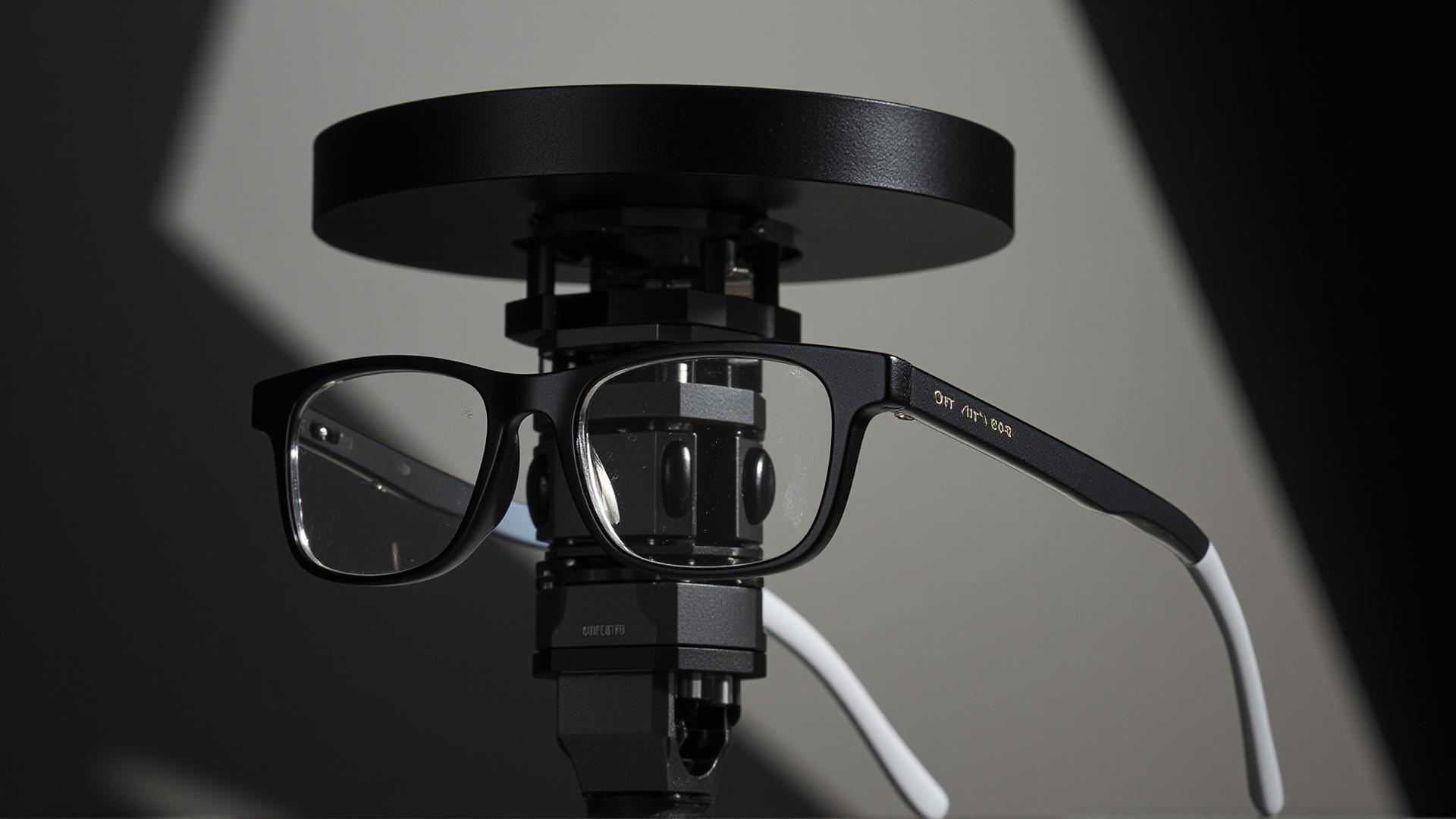
"8MP or 13MP?" is the first specification question buyers ask about AI camera glasses, and it is almost the wrong question. Megapixels describe one property of one component — the pixel count of the image sensor — while the image a creator actually posts is decided by a chain of decisions that includes sensor size, lens, aperture, processing, stabilization, video format and the lighting conditions of real life. Two cameras with the same megapixel number can produce visibly different footage; two cameras with different numbers can be indistinguishable in the viewing contexts glasses footage actually reaches. This guide explains what resolution really contributes, where it sits in the image chain, and how to evaluate a camera glasses platform without leaning on a single headline number.
This is a generic engineering-methodology article: it deliberately draws no comparison conclusion about specific manufacturer models, because sensor and video specifications must be verified per configuration rather than asserted. For the product family itself, see the AI camera glasses category; for the creator use case, see AI glasses for content creation.
What a Megapixel Count Actually Measures
A megapixel is a million photosites on the sensor. An 8MP sensor offers roughly 3,264 × 2,448 pixels of raw sampling; a 13MP sensor around 4,160 × 3,120. In pure theory, more photosites mean more spatial detail and more room to crop — and that is true under controlled conditions with a lens, sensor area and processing pipeline capable of feeding those pixels with real information. In practice, "more pixels" on a sensor of the same physical size means smaller photosites, each gathering less light, which increases noise and can reduce dynamic range in the dim indoor and evening environments where much POV footage is actually shot.
Resolution is therefore a capacity, not a guarantee: it defines the ceiling of spatial information the system can capture, but says nothing about whether the rest of the chain delivers information worth that ceiling.
The Chain That Decides Real Image Quality
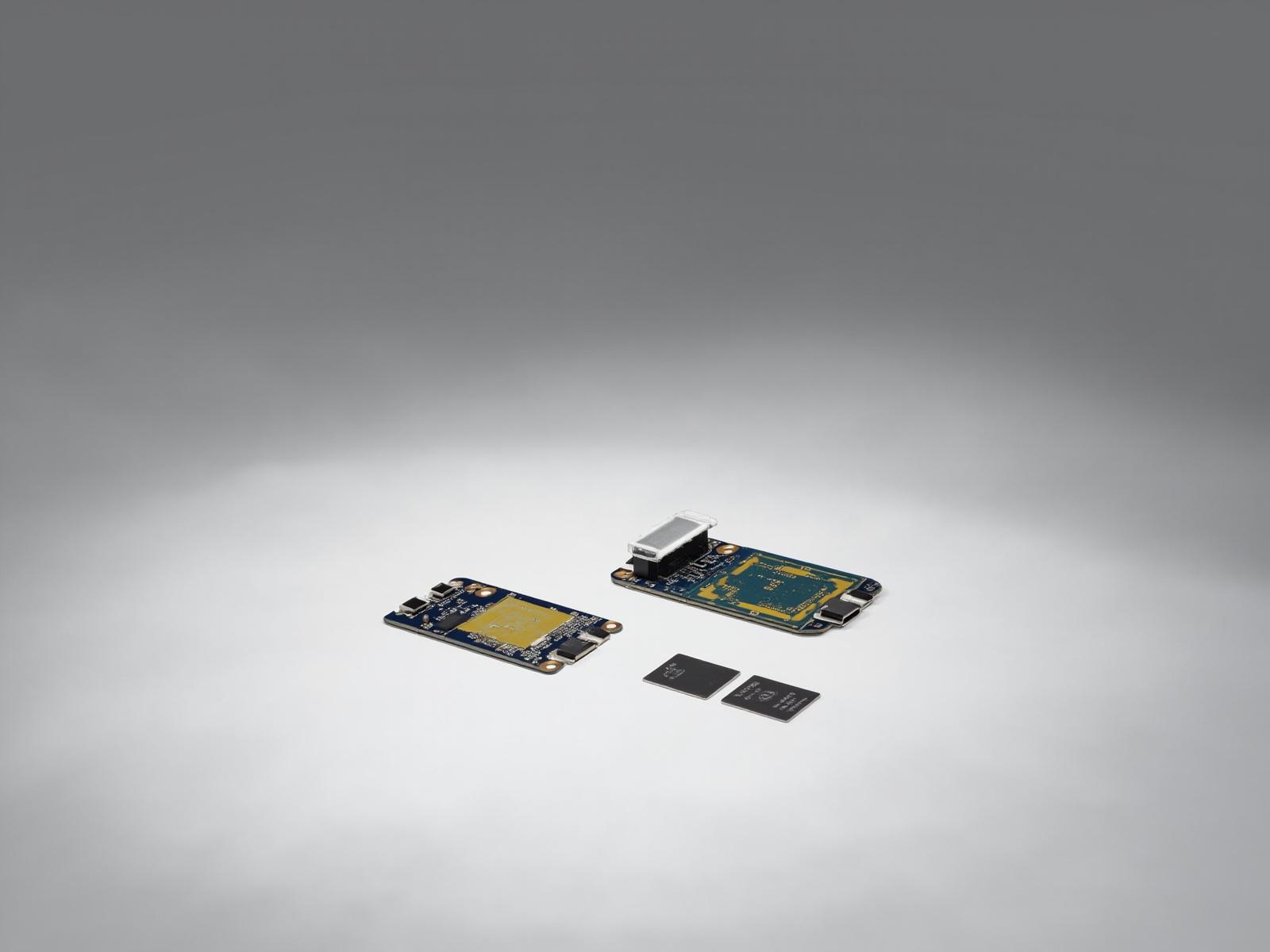
Sensor physical size and photosite technology. Sensor dimensions and pixel architecture govern light gathering far more than count alone; a larger pixel with better low-light response often wins in real footage over a denser one. Lens and aperture. A small temple-mounted lens must resolve the sensor, stay sharp across the frame and gather light through a real aperture; an excellent sensor behind a mediocre lens is bottlenecked before processing starts. Field of view. POV capture is defined by framing, not pixels — a 13MP frame with badly chosen field of view produces unusable footage no sensor rescues. Processing pipeline. Auto-exposure response, white balance, HDR handling, noise reduction and sharpening are computational choices that determine how the raw data becomes video; aggressive processing can erase the detail the extra megapixels bought.
Stabilization. Glasses footage is head-mounted and moves constantly. Without effective stabilization, extra resolution is spent on capturing shake more precisely. Video specification. Resolution of the delivered video — 1080p or higher, frame rate, bitrate and codec — matters more than stills megapixels for the social clips that are the whole commercial point of the category; a sensor oversampling down to a well-encoded 1080p stream typically looks better than a pipeline stretching to reach a headline mode.
Thermal and recording-duration limits. A small temple enclosure has little room for heat to leave, and high-resolution video processing generates it continuously. The practical result is that headline modes sometimes carry recording-length limits, frame-rate throttling or aggressive compression as the device warms — details that never appear next to the megapixel badge. Ask how long the highest-quality mode records continuously before throttling, because a creator capturing a ten-minute scene experiences that limit far more often than the sensor's theoretical pixel count.
When Higher Resolution Genuinely Pays
The honest list is shorter than listings suggest. Higher stills resolution helps when creators crop a frame after capture, extract a still from video workflows, or output to large displays and print. Sensor oversampling — capturing above the delivered video resolution and downscaling — can genuinely improve video detail and noise when the lens and processing support it. These are real benefits for creator-led positioning, where flagship units justify their price through imaging and the audience views on large screens.
For everyday capture, messaging clips and social-first sharing viewed on phones — the majority of glasses footage — the viewing context simply does not expose the difference between well-executed 8MP and well-executed 13MP systems. Buyers should ask what percentage of their customers' end content is viewed at sizes that reveal the extra pixels, and pay for the sensor tier that audience rewards.
How to Evaluate a Camera Platform Without a Spec Duel
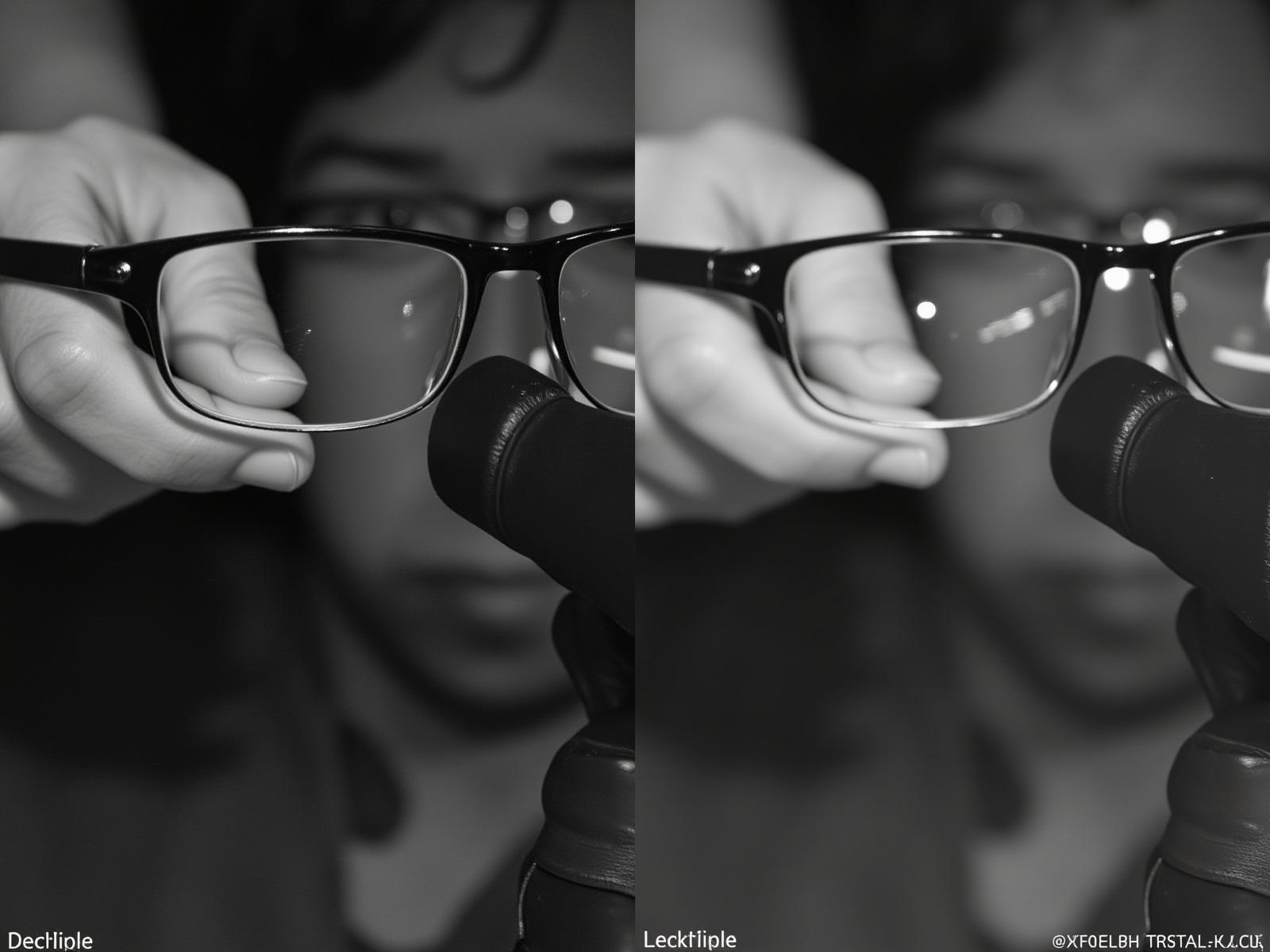
Request footage, not charts: clips shot in the actual contexts your customers create in — evening restaurants, backlit streets, fast movement, faces in conversation — delivered as unretouched files with the device's standard encoding. Compare framing and field of view first, because POV framing is the product. Judge autofocus or fixed-focus behavior on close objects, exposure recovery entering and leaving buildings, motion artifacts, and stabilization while walking. Listen to what the onboard microphones recorded, because video with unusable wind and ambient audio is not publishable regardless of resolution.
Then verify the claims trail. A listing that states a resolution or video mode should be able to point to the shipped configuration that produces it; the evidence discipline is documented in the marketing claims policy, and the underlying functional verification belongs in the test coverage described on the testing catalog. Resolution is one of the easier things to verify on a recorded file — which makes vague or inflated camera claims among the fastest routes to marketplace returns.
The Portfolio View: Sensors Are a Tiering Tool
From a range-planning perspective, sensor tiers should map to channel tiers rather than duplicate a shelf. A well-executed standard camera model serves everyday capture and gifting; a higher-tier imaging model with the full chain genuinely upgraded — lens, sensor, stabilization, video encoding — serves creator channels where the price band and review expectations are higher. Selling two "similar" camera glasses whose only difference is a number creates internal cannibalization and support confusion. The tiering method and platform economics are covered in the B2B portfolio guide, and the broader sensor and on-device AI feature landscape is surveyed in the AI camera buyer guide.
Frequently Asked Questions
Are 13MP camera glasses better than 8MP?
Not automatically. Megapixels set a detail ceiling; sensor size, lens, aperture, field of view, stabilization, processing and video encoding decide whether real footage reaches it. An 8MP system with a strong lens and pipeline can outperform a 13MP system bottlenecked elsewhere, especially in low light.
What should I check first on a sample unit?
Real footage in real contexts: framing and field of view, backlight and low-light handling, stabilization while walking, close-focus behavior and recorded audio quality. Request original encoded files rather than edited montages, and confirm the shipped configuration matches every listed video mode.
Does megapixel count matter for video?
Indirectly. Viewers see the delivered video specification and encoding quality (resolution, frame rate, bitrate), not the sensor count. Oversampling can improve the final image, but a well-encoded stream at mainstream resolutions beats a headline mode reached at the expense of sharpness and stability.
Why might a higher-megapixel camera look worse indoors?
On a similarly sized sensor, more photosites means smaller ones, each gathering less light, which can raise noise and reduce dynamic range in dim conditions unless the lens, aperture and processing compensate. Evening and indoor clips are therefore the most informative test material.
How many camera tiers should a first range include?
Usually two with clear daylight between them: an everyday capture model and a genuine creator-tier model where the whole imaging chain — not just the megapixel number — is upgraded. The merchandising logic across camera, audio and sport families is laid out in the portfolio guide.
To evaluate camera platforms for your channel with sample footage and shipped-configuration specifications, begin at request a quote and describe the lighting and motion contexts your creators actually shoot in.
Further reading
- Megapixel (MP) Explained: What The Resolution Number Does Not Say
- Ai Camera Glasses: Resolution Options And What They Are Worth


