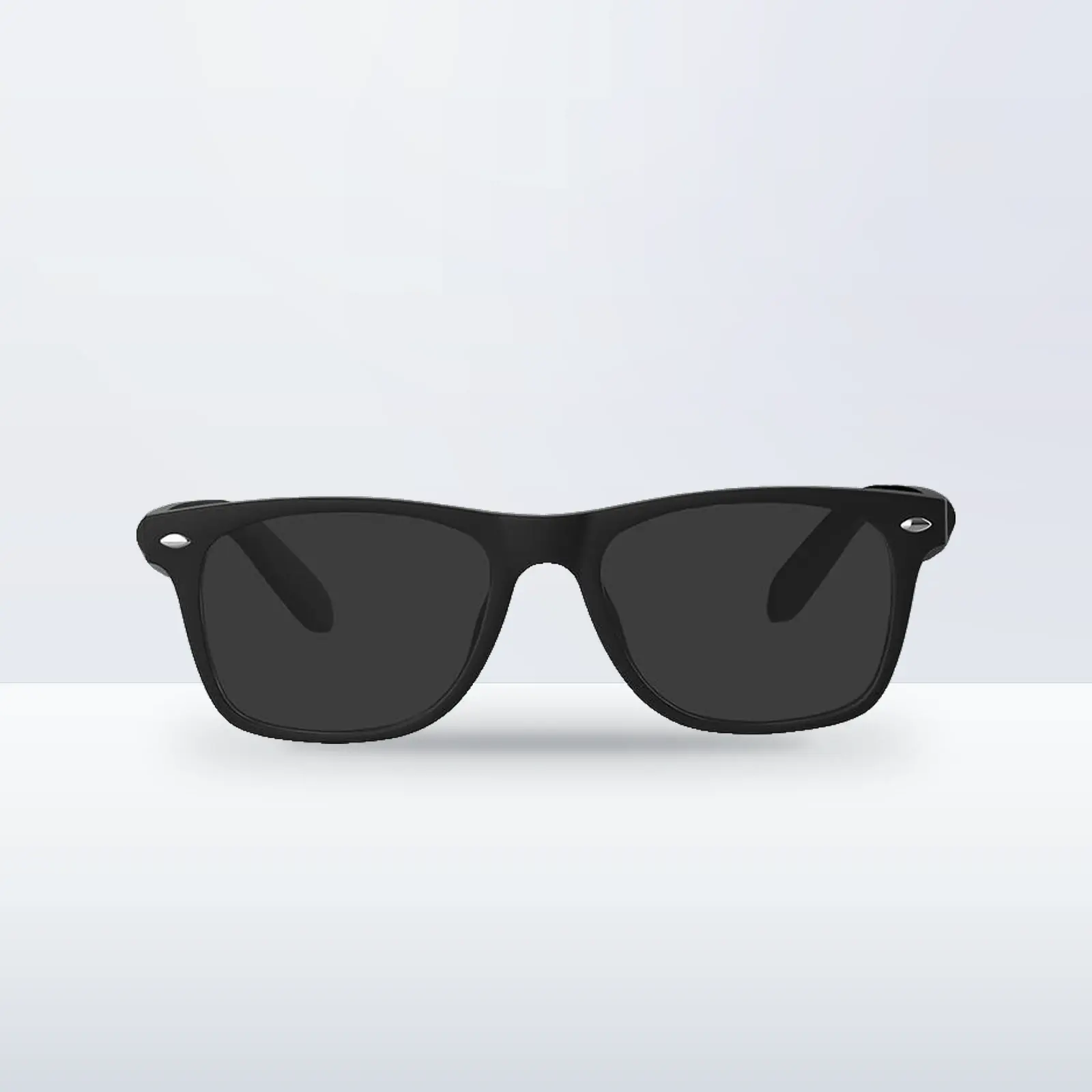
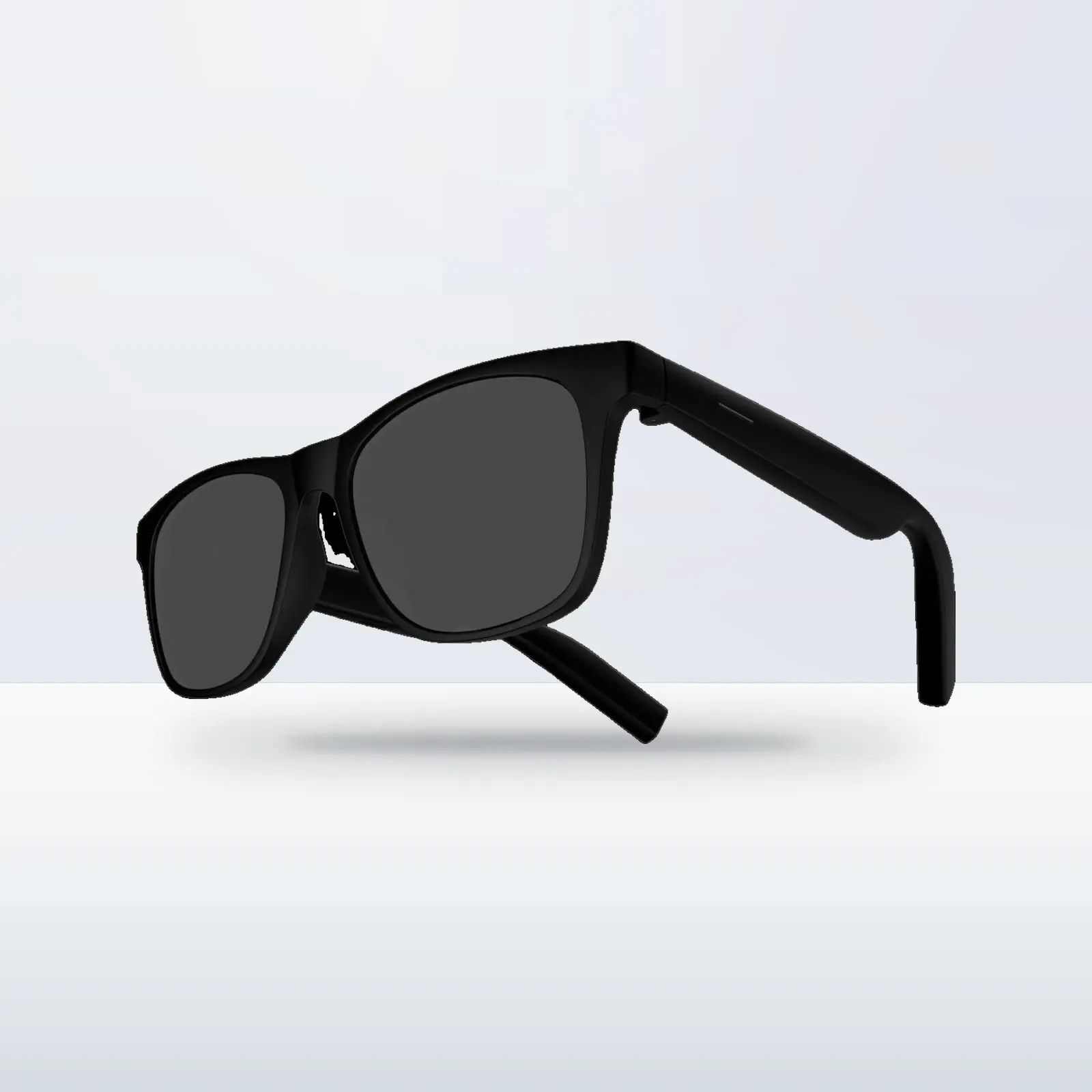
What is the LC-105-1 and what does it do?
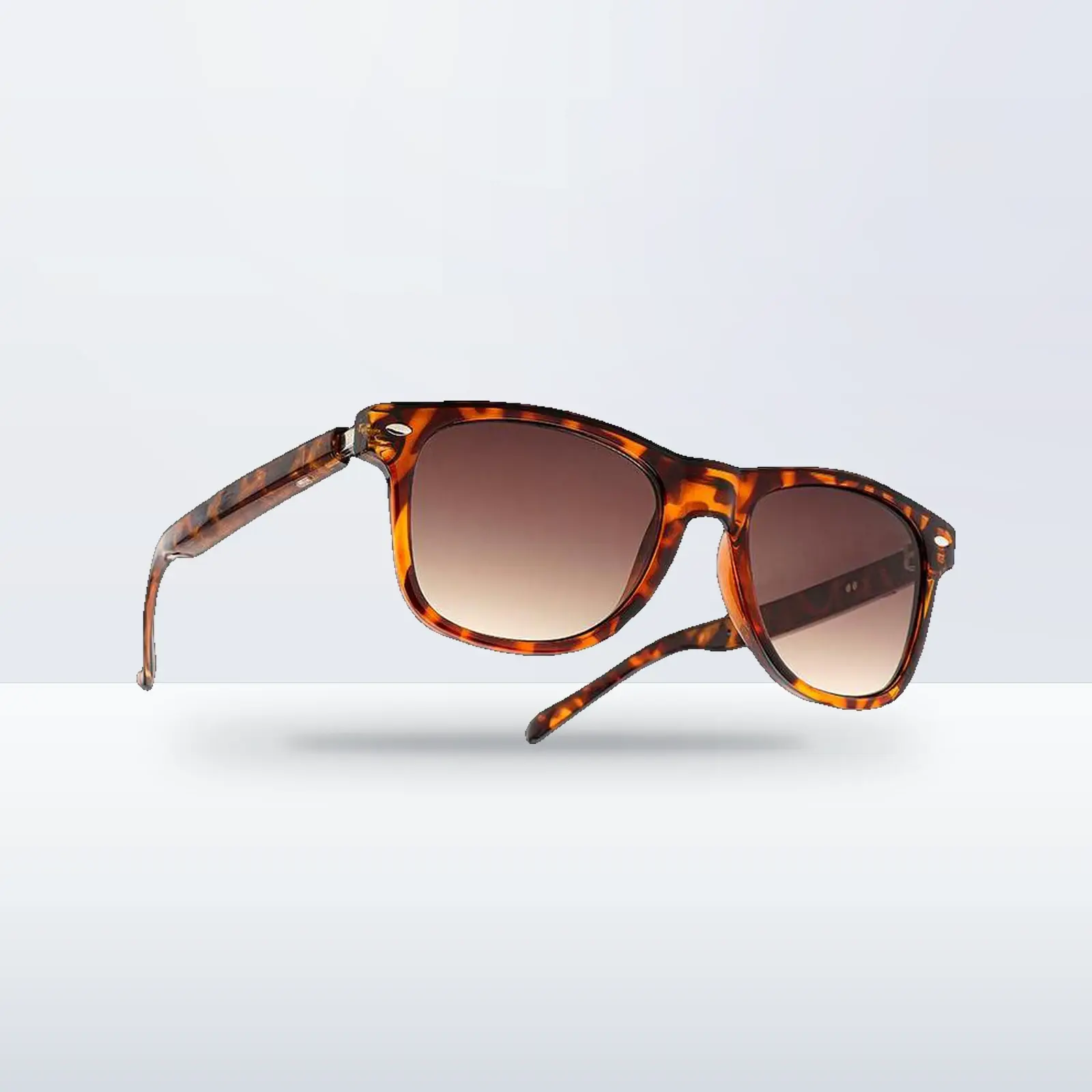
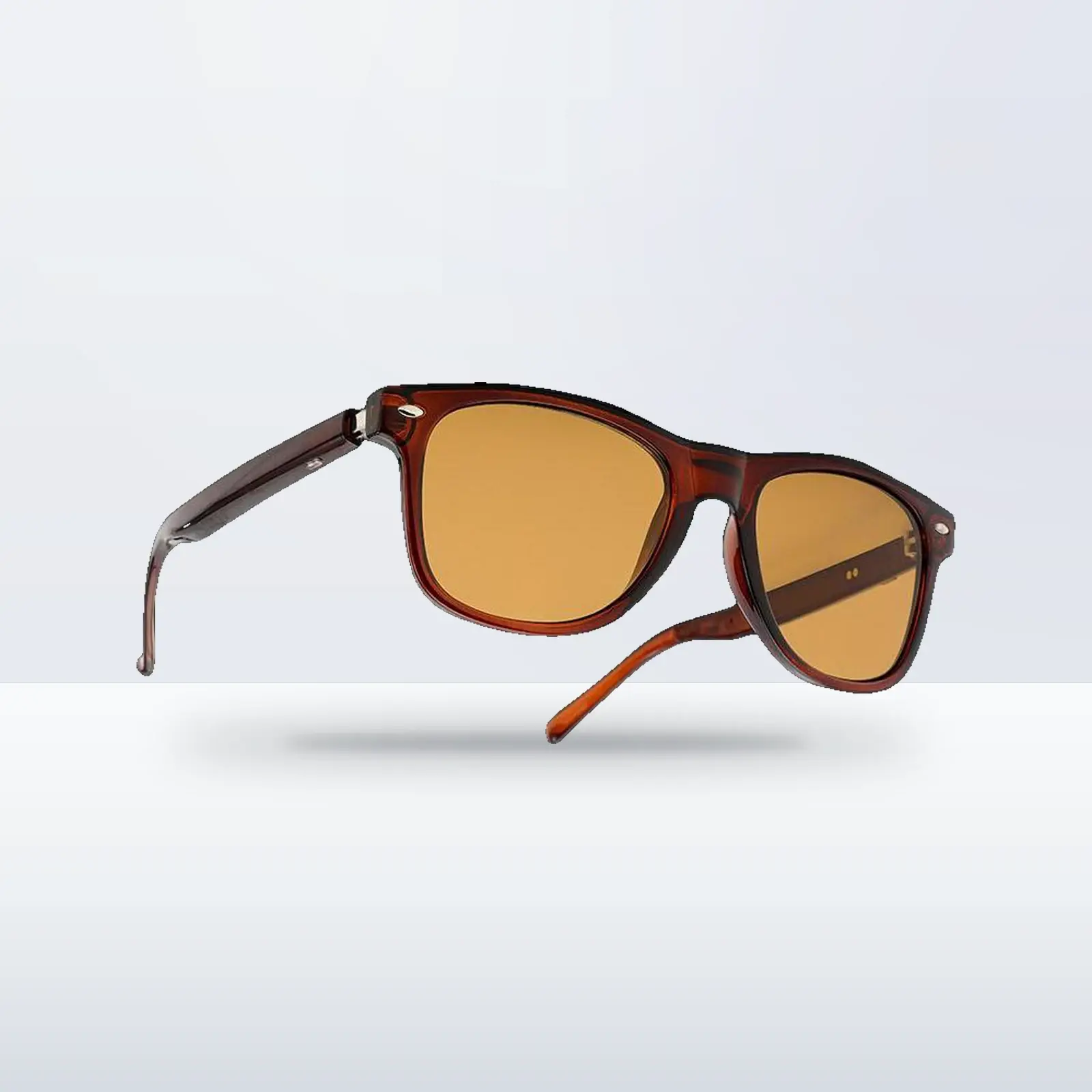
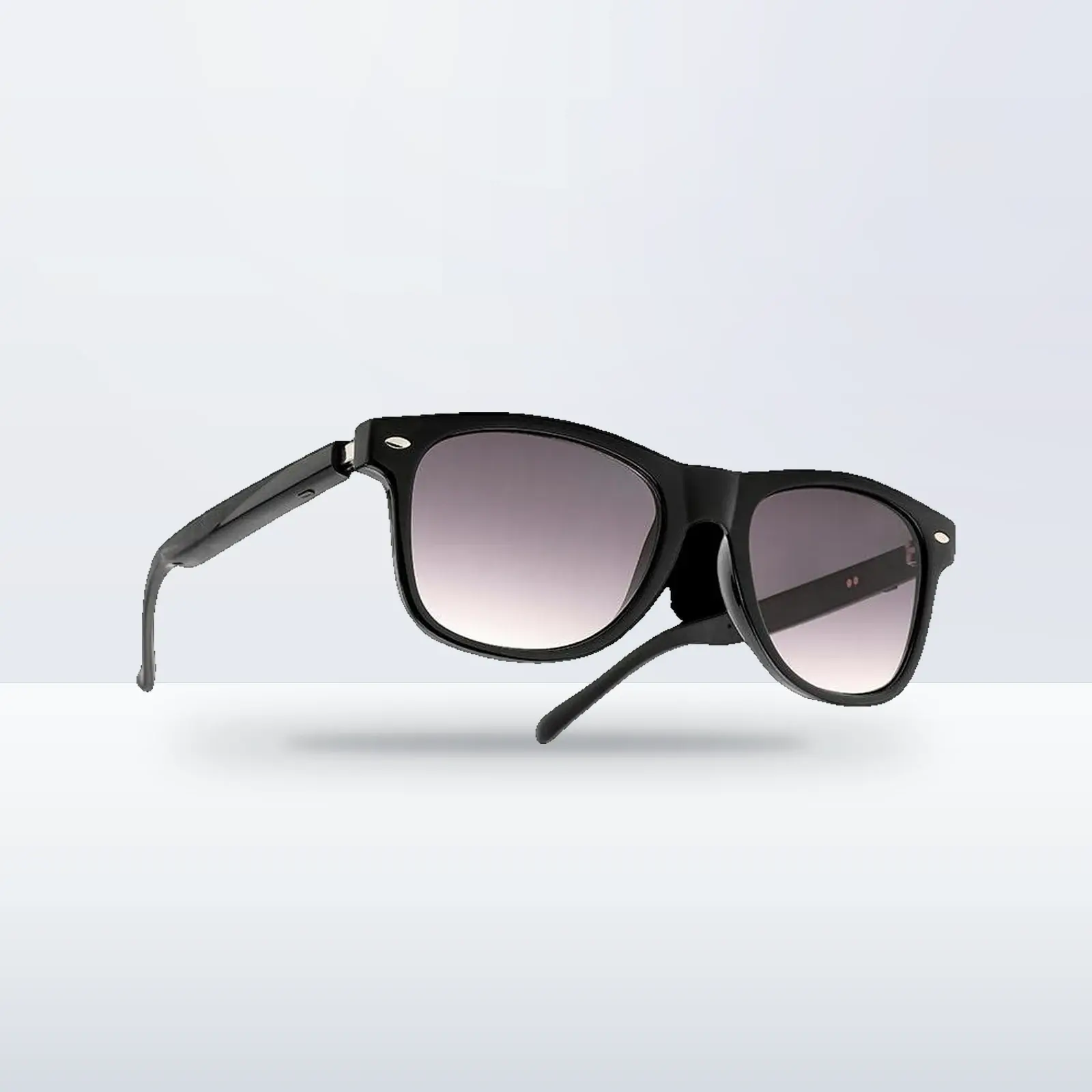
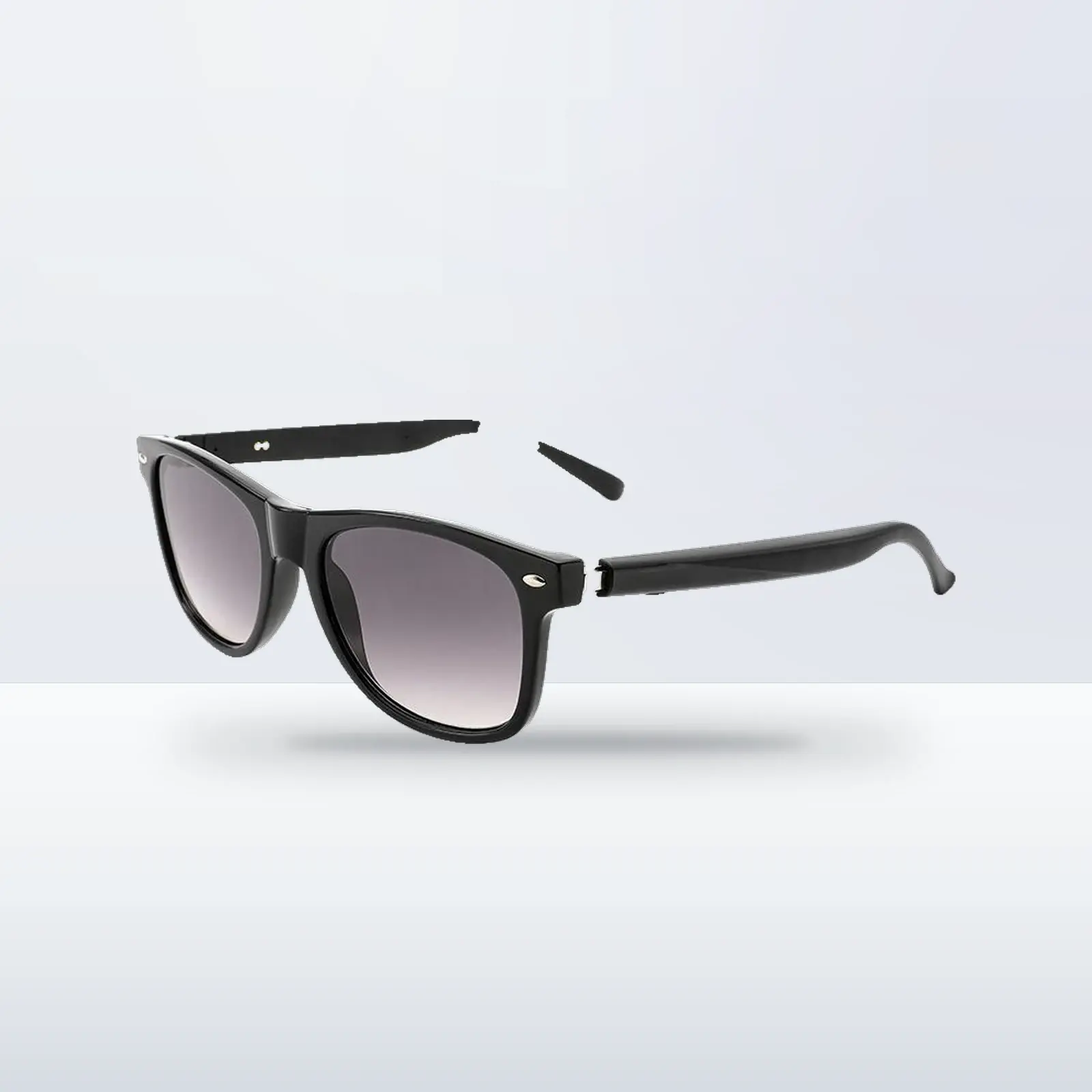
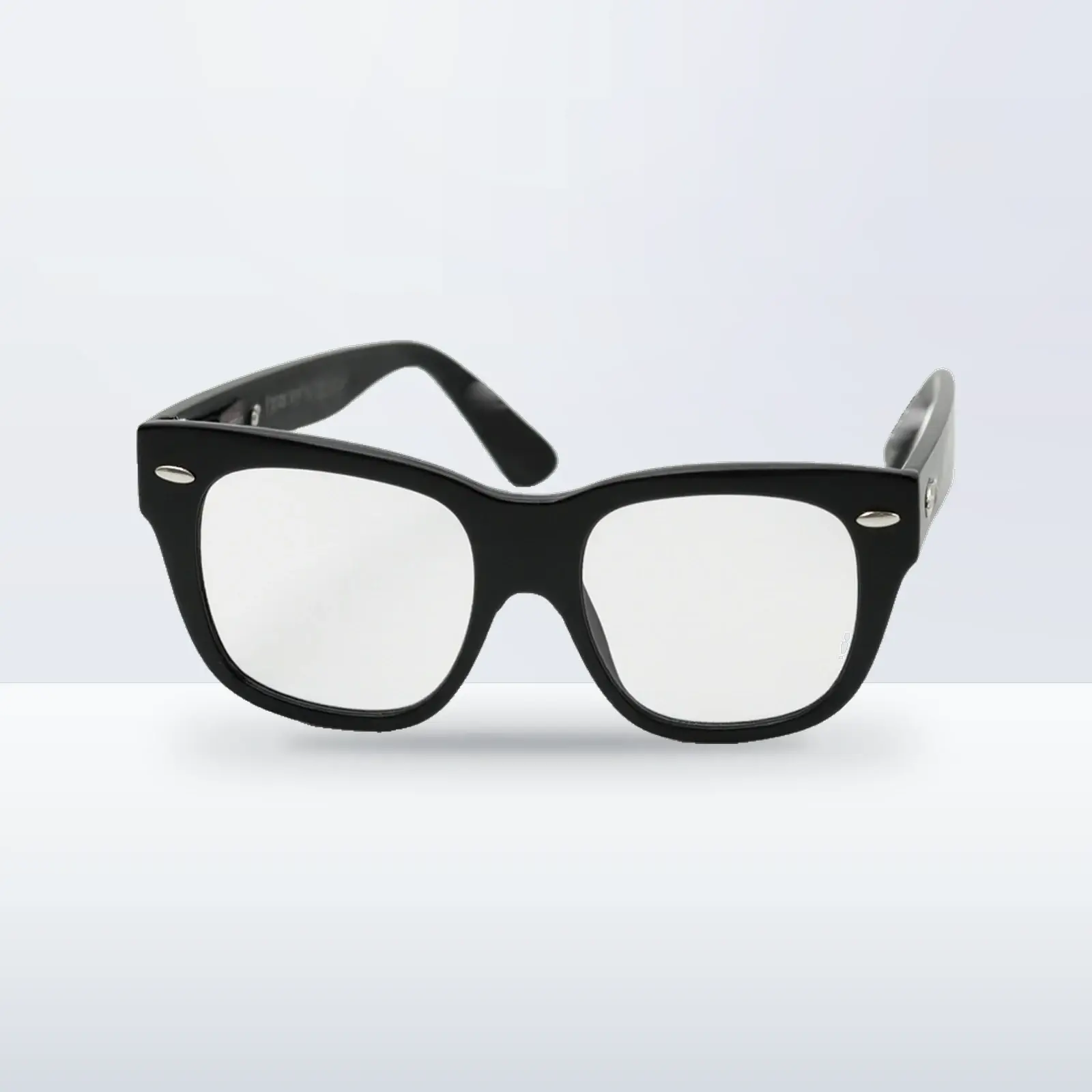
The LC-105-1 is CYNRIN's ultra-light open-ear Bluetooth audio glasses platform. Its published record lists a Bluetooth 5.4 radio, a 55mAh × 2 dual-cell battery configuration, magnetic charging, a ≤2h reference charging ceiling and ~8h of reference music playback, the longest runtime published in the ultra-slim family. It plays music and supports hands-free calls without blocking the ears and carries no camera or display.
Is the LC-105-1 the same product as the LC-105-2?
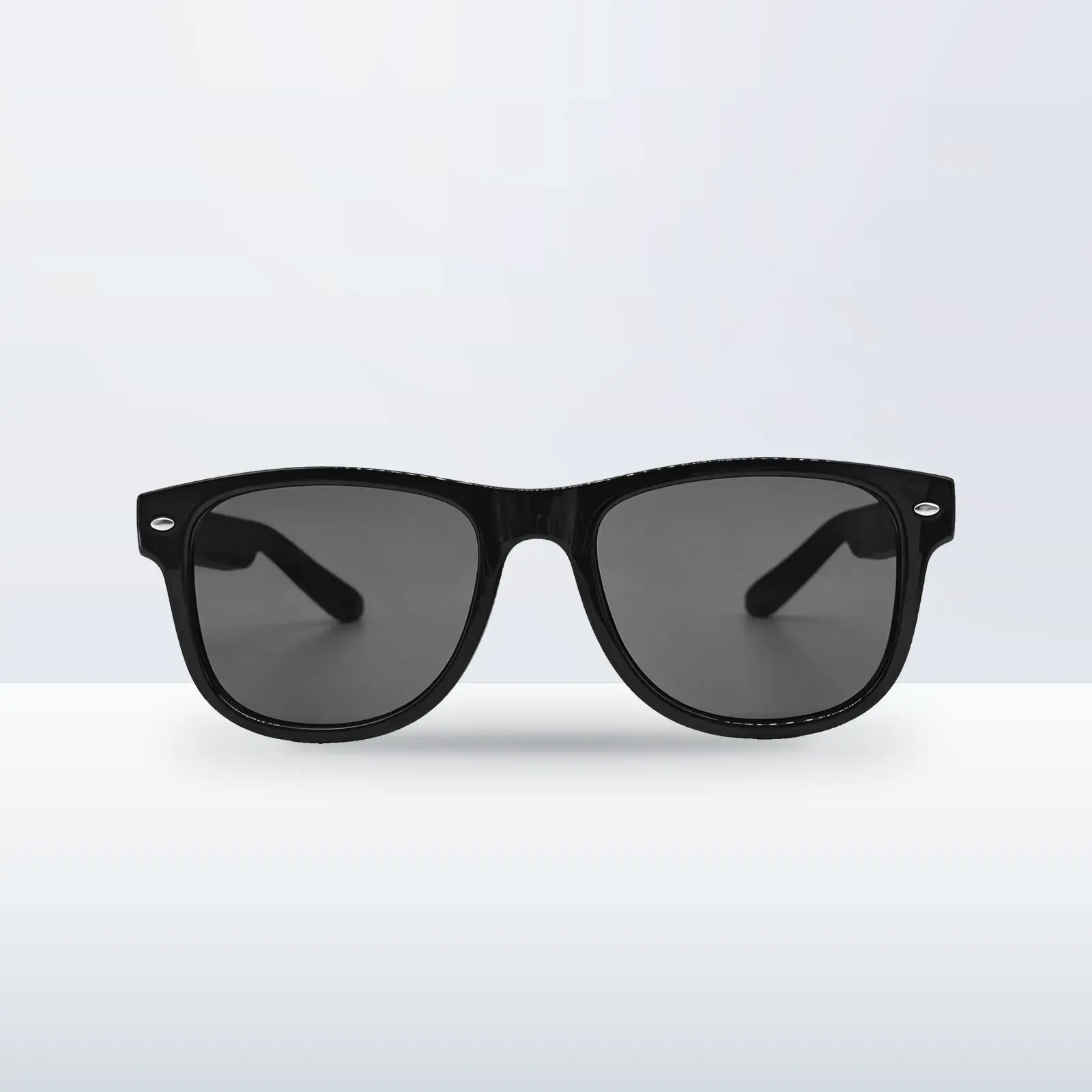
They are platform twins with identical five-row published specifications: both list Bluetooth 5.4, 55mAh × 2, Magnetic charging, ≤2h and ~8h. The published description for the LC-105-2 calls it a same-platform variant offered for differentiated appearance, so the honest difference is finish, trim and configuration rather than electronics. Finish samples and configuration-sheet entries are confirmed separately per SKU before tooling and mass production.
How light is the LC-105-1 in grams?
The published description positions the frame as ultra-light and built around a slim battery pair, but the specification record does not publish an actual weight figure, and CYNRIN does not invent one for the comparison table. Weight, balance point and temple dimensions are confirmed on the configuration sheet and against weighed production samples per project. Claims in retail copy should stay with the published ultra-light language until a signed-off gram figure is available.
Why does the LC-105-1 use Bluetooth 5.4?
Bluetooth 5.4 is the published radio for the whole ultra-slim family — the LC-105-1, LC-105-2, G07 and YK12 — as well as the D11 and D12, whereas the K02 and E13 publish Bluetooth 5.3 and the K01 lists BLE 5.4. A shared current-generation radio keeps pairing behaviour, firmware and certification planning common across the slim lineup. The exact module and firmware revision are confirmed on the configuration sheet per project.
How long does the LC-105-1 battery last?
The published music playback time is ~8h under reference conditions at a defined volume with a defined paired phone. That ties the LC-105-2 and the K02 for the longest published runtime and runs two hours beyond the G07 and YK12 at ~6h, even though all four slim models publish the same 55mAh × 2 pack. Talk time, standby time and mixed-use figures are not published; high volume and call use shorten the measured result.
What does the 55mAh × 2 dual-cell design involve?
It means two 55mAh cells are built into the frame, typically one per temple, balancing the 110mAh nominal total across both sides rather than concentrating it in one temple as the D11 and D12 do with their single 100mAh cell. The split layout supports the ultra-light, slim-temple wearing profile the published description promises. Cell voltage, supplier and cycle-life data are not published and are confirmed with cell datasheets per project.
How does magnetic charging work on the LC-105-1?
A magnetic cable snaps onto contacts on the temple, so the user does not insert a plug and the temple face keeps a smooth, uninterrupted surface; the published charging method is Magnetic charging with a ≤2h empty-to-full reference ceiling. It is the same charging method the LC-105-2, G07, YK12 and K02 publish. Contact layout, magnet strength, cable length and spare-charger pricing are not published and are confirmed in writing per project.
Does the LC-105-1 support hands-free calls?
Yes — the published feature language lists clear hands-free calls and daily audio, carried over the same Bluetooth 5.4 link with call control from the frame. The formal specification rows do not publish microphone count, wind-noise performance or a separate talk-time value, so those details remain out of headline claims. Call quality under a defined noise profile and any branded mic tuning are confirmed on the configuration sheet per project.
What material, lens and temple-design options are published?
None of those rows appears on the LC-105-1 record: frame material, lens options, operating temperature and temple design all render as Not published in the ultra-slim comparison. The G07 independently publishes an Ultra-slim, detachable temple design and the YK12 publishes Slim, but those values are not borrowed for the twins. Material, lens type, colour range and any hinge options are agreed during sampling and confirmed on the configuration sheet per project.
What is the MOQ for an LC-105-1 order?
Catalogue OEM configuration of the LC-105-1 starts at 500 units using catalogue colours, packaging and magnetic charging accessories. Branded OEM with custom logo, printed packaging and branded documentation typically starts at 1,000 units. ODM work involving structural or electronic changes — including temple redesign — is evaluated separately and typically runs at 3,000–5,000 units. The final minimum is confirmed in writing against the concrete brief.
Can the LC-105-1 be customised for our own brand?
Yes. Logo placement, frame colour, paint finish, packaging inserts, quick-start documentation and magnetic cable packs are reviewed against target quantity and destination market, with the ultra-light platform electronics kept unchanged. Because material and lens rows are not published, optical and structural scope is agreed through samples rather than assumed and moves under ODM terms if hardware changes. Every custom scope is confirmed on the proforma invoice before tooling or mass production begins.
Which certifications and lead times apply to the LC-105-1?
CE, FCC and RoHS are certification capabilities at CYNRIN, verified per destination market on request rather than blanket claims for a particular LC-105-1 build; share target markets at RFQ so the correct radio, battery-shipping (including UN38.3 for the dual-cell pack) and materials documents are scoped. Sample timing is confirmed after the brief is reviewed, and mass production typically runs 15–40 days after deposit, depending on quantity and customisation scope, with a written schedule agreed up front.