What is the LC-105-2 and how does it differ from a new model?
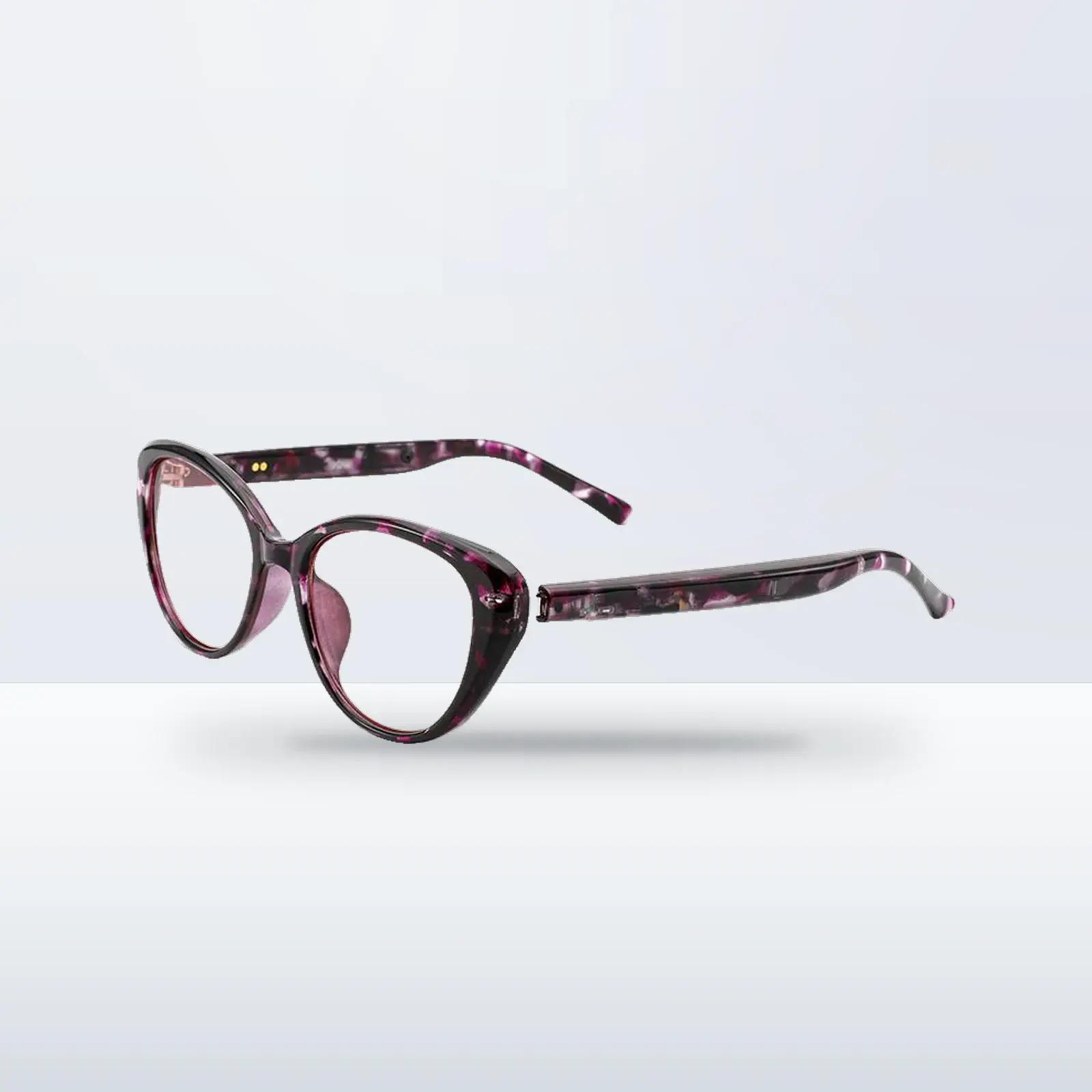
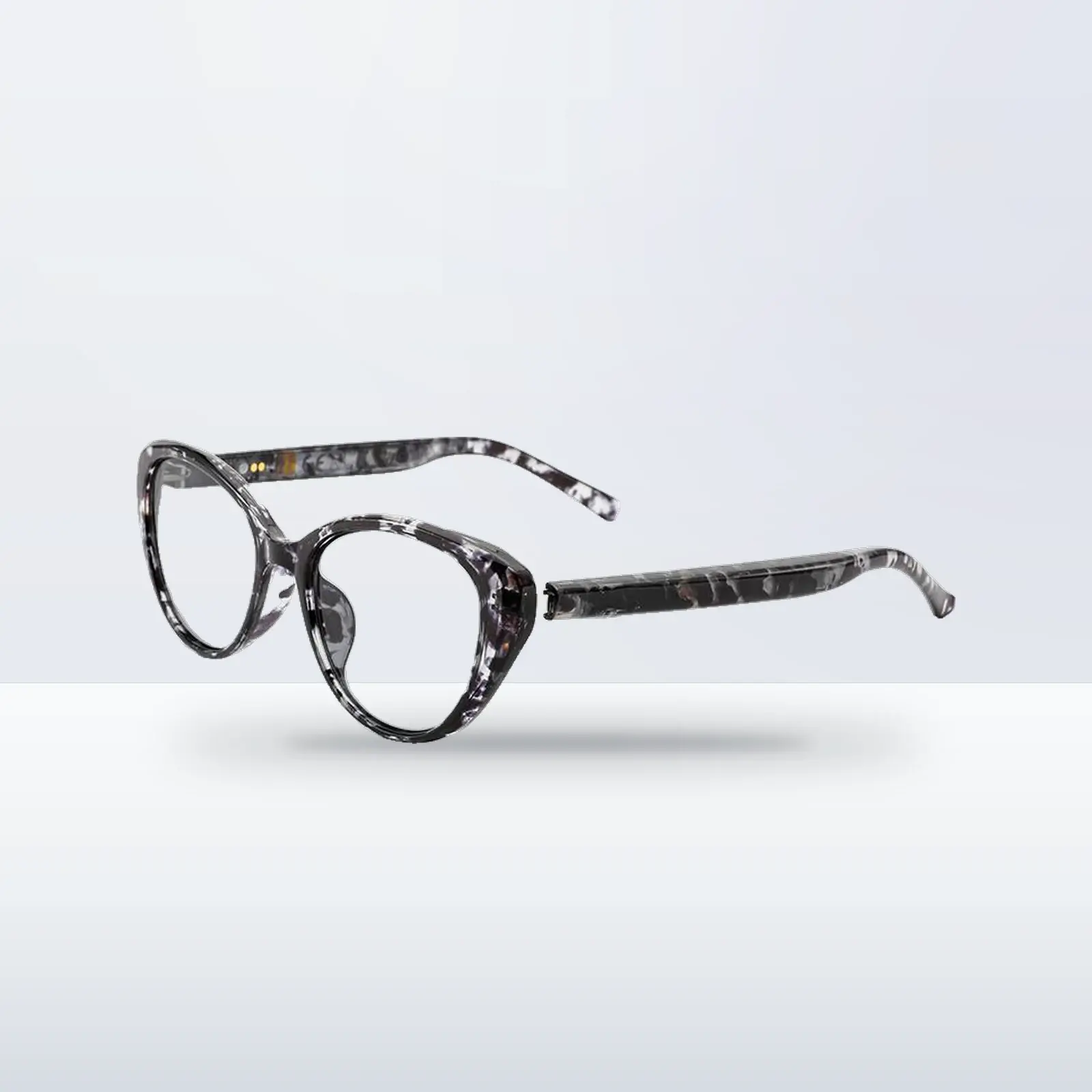
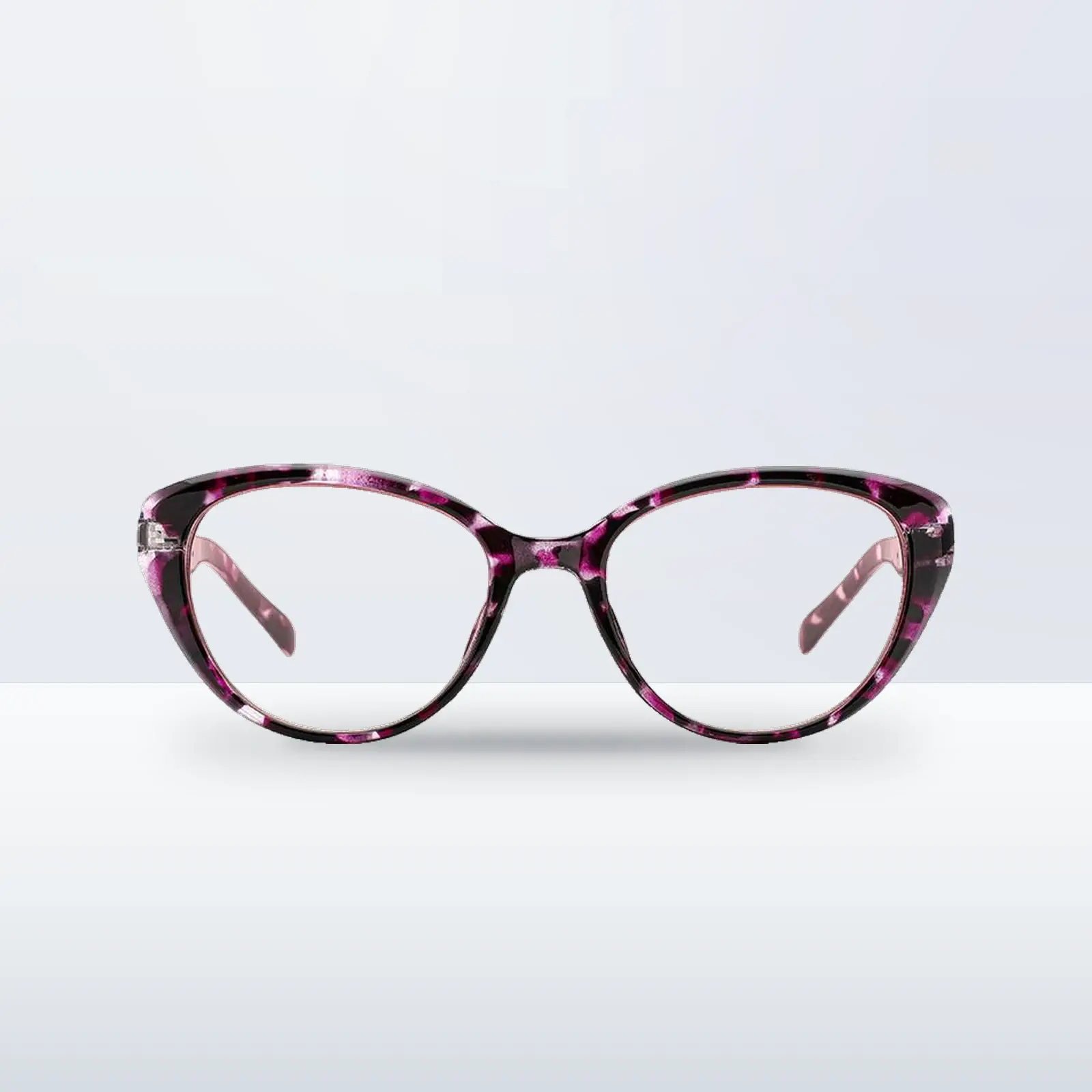
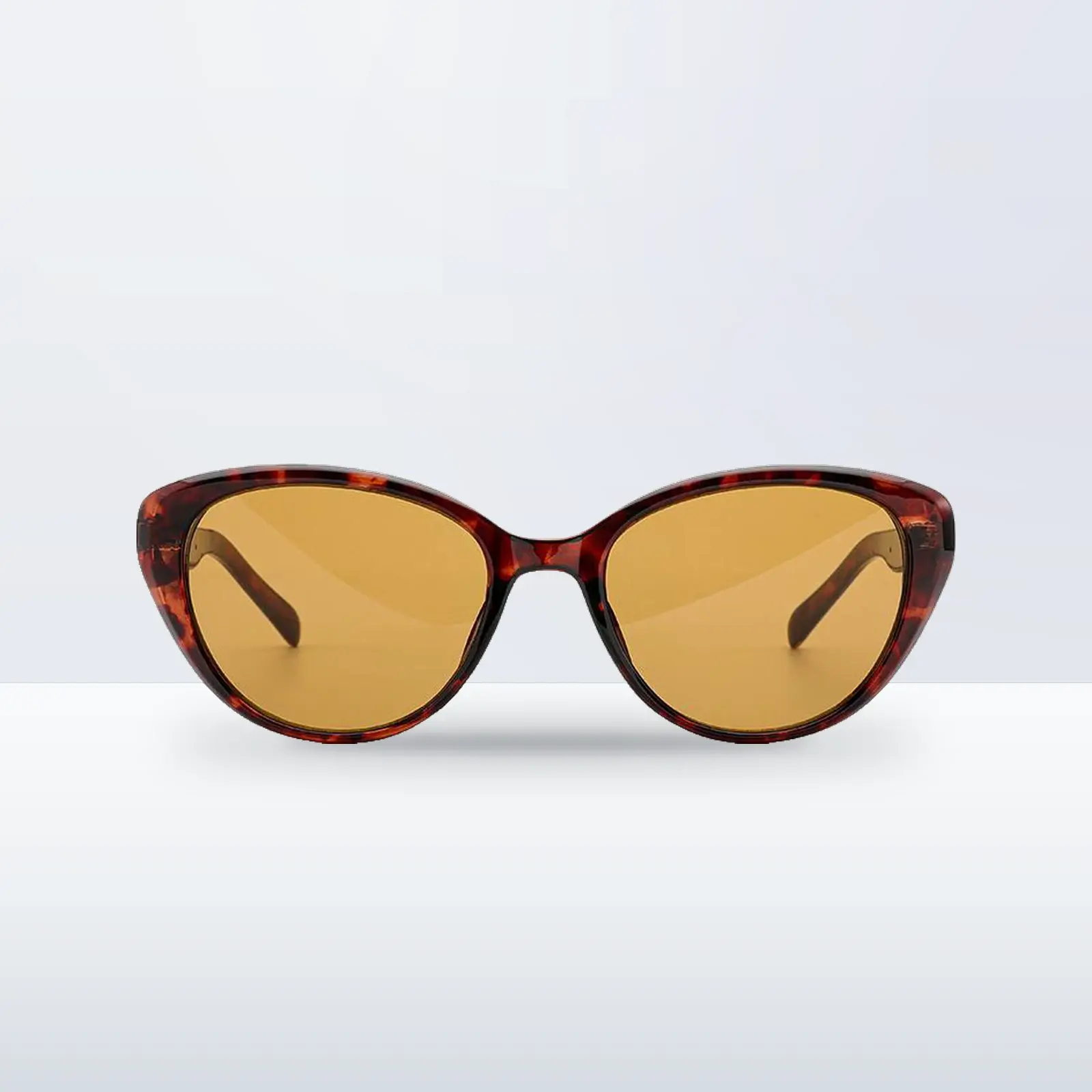
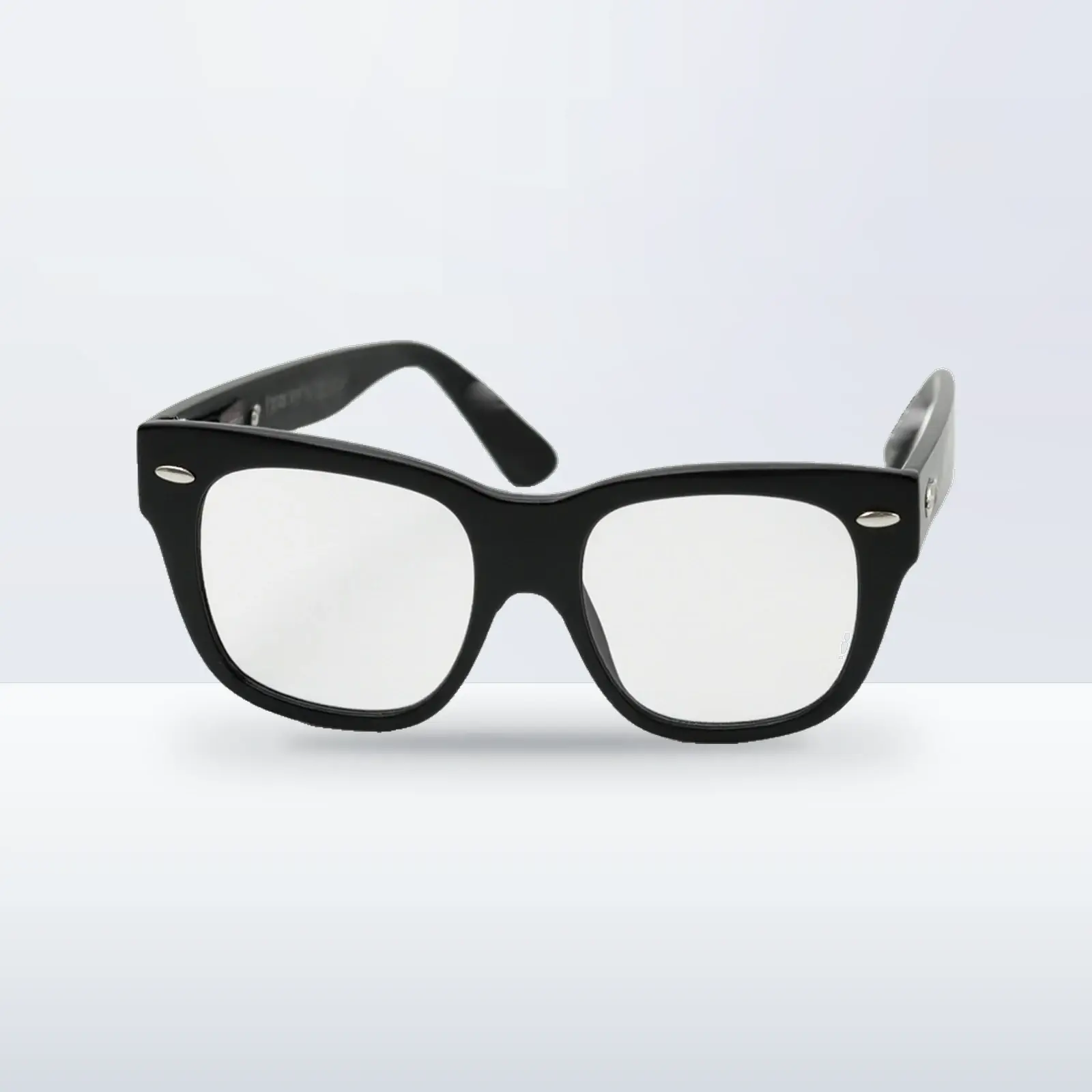
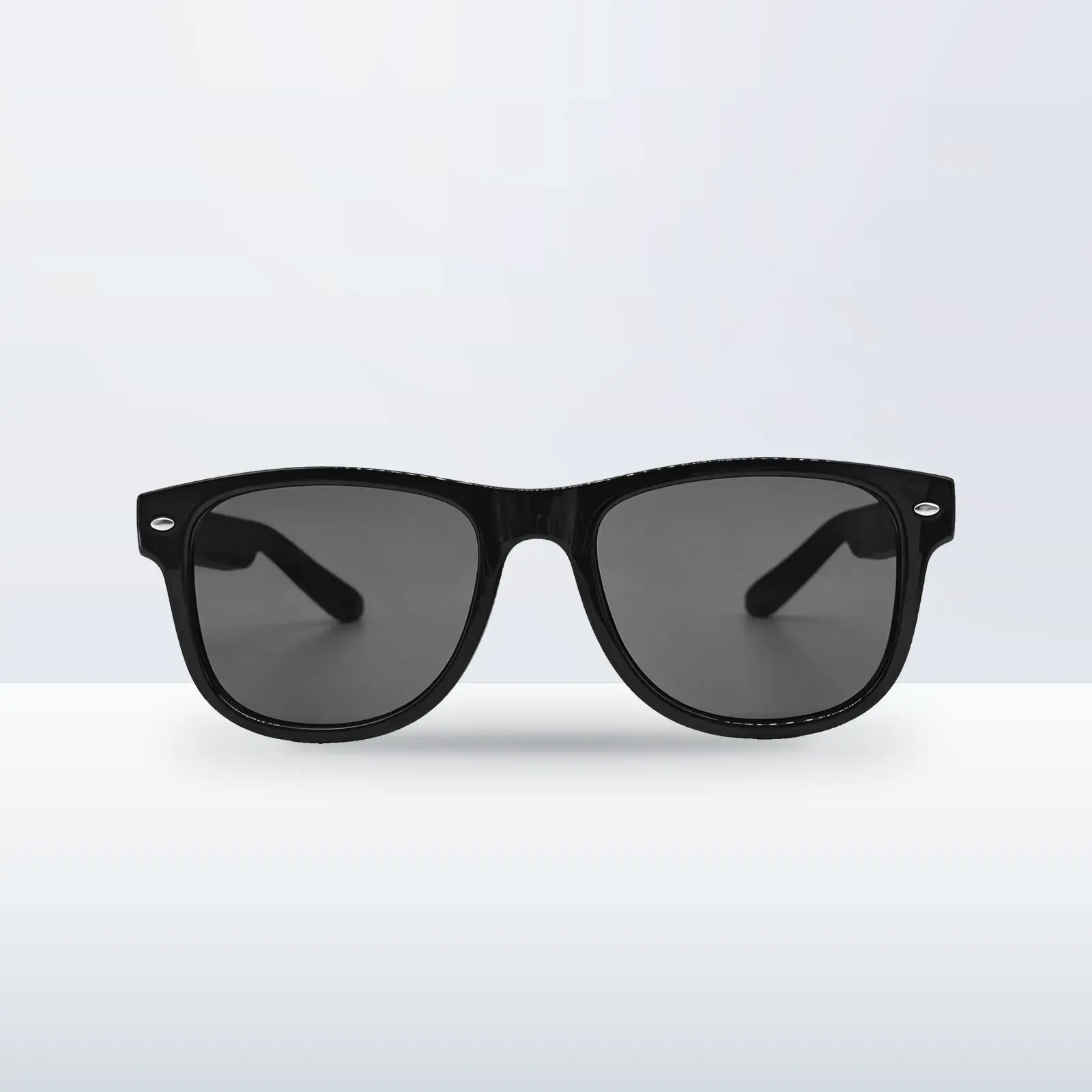
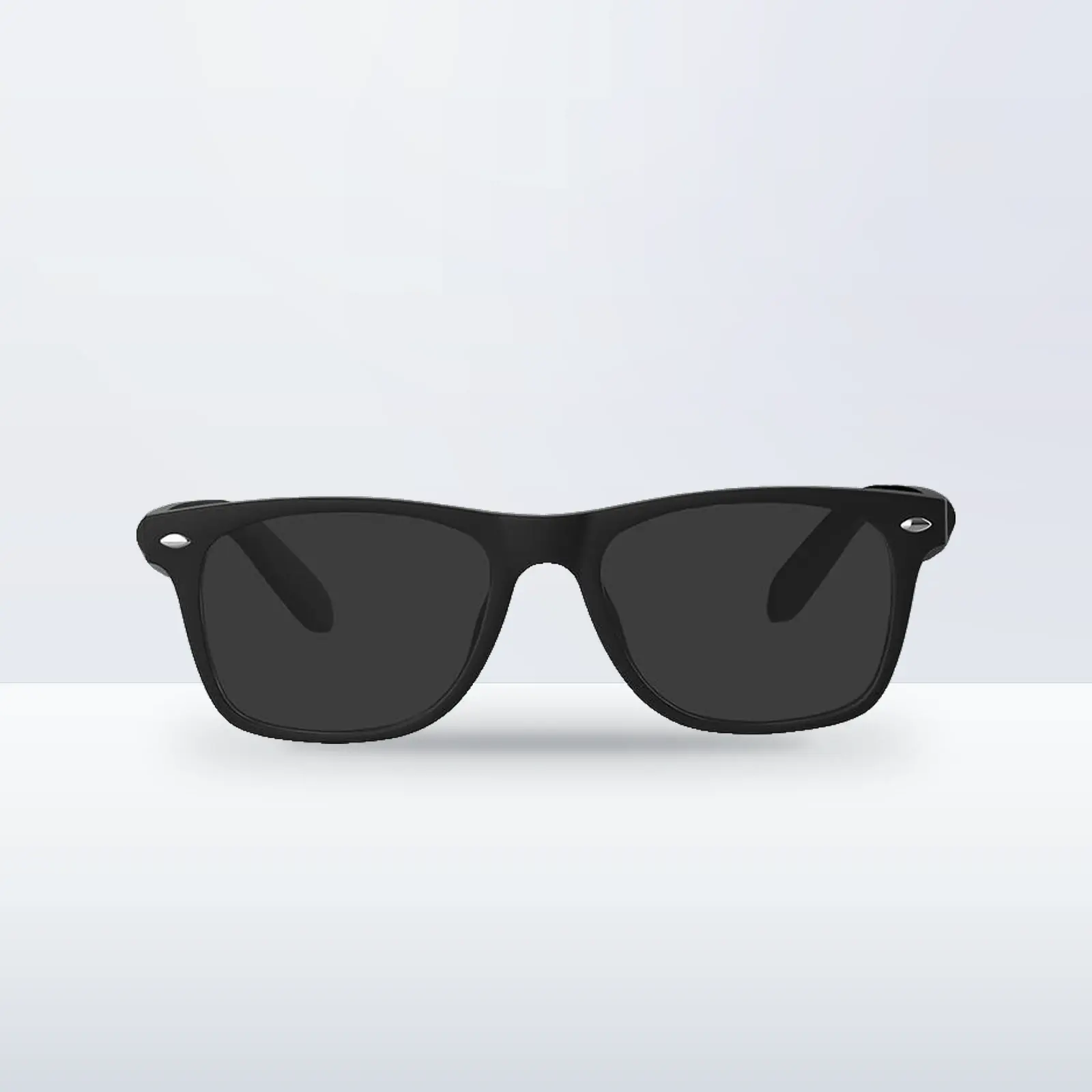
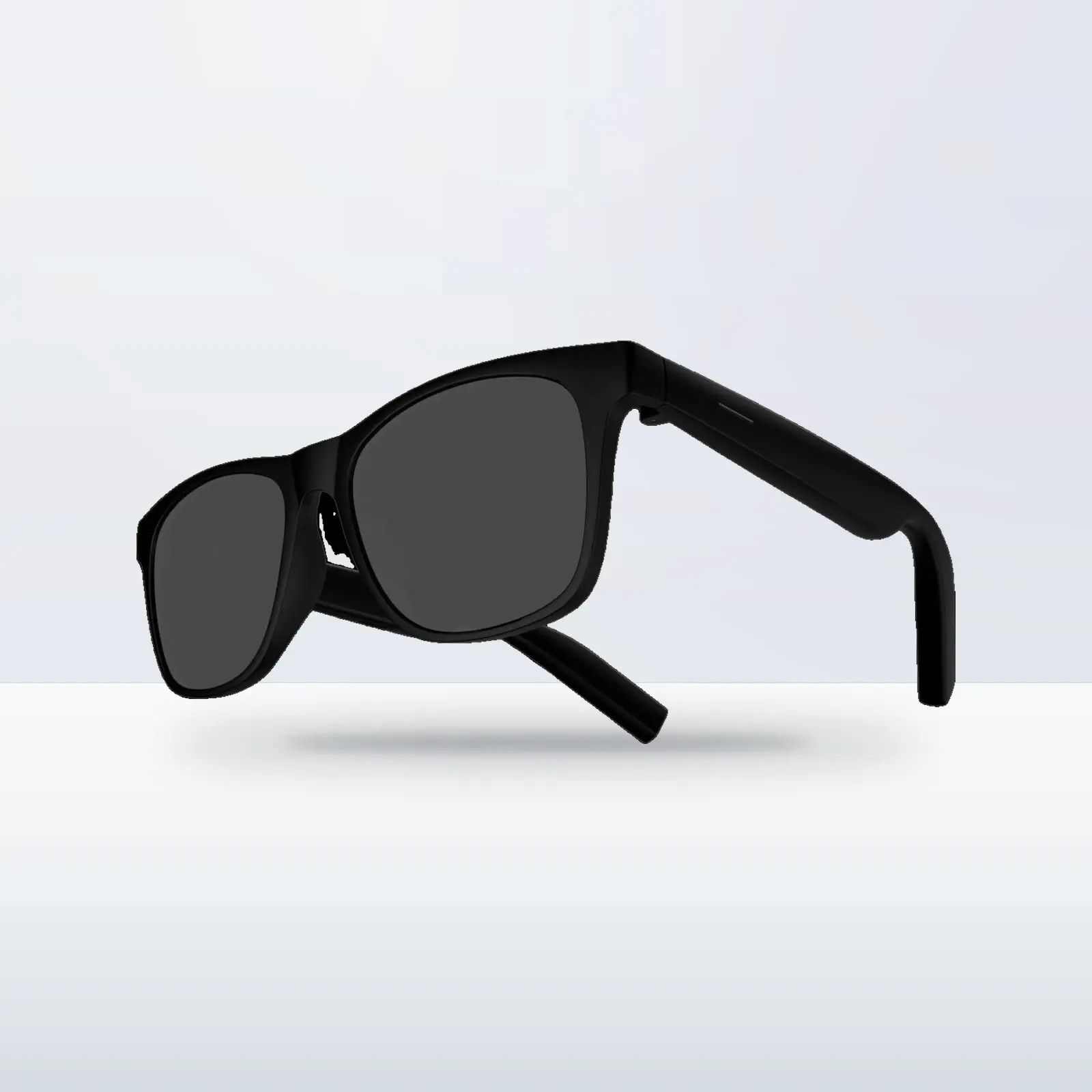
The LC-105-2 is CYNRIN's same-platform alternate-finish build of the LC-105-1 ultra-light audio glasses. Its published record is five rows: Bluetooth 5.4, a 55mAh × 2 dual-cell pack, magnetic charging, a ≤2h reference charging ceiling and ~8h of reference music playback. It is not a separate electronic development; the published description defines it as a variant offered for differentiated appearance, so what changes between the twins is finish, trim and configuration rather than the radio, cells or charging system.
The LC-105-2 versus the LC-105-1 — what exactly changes?
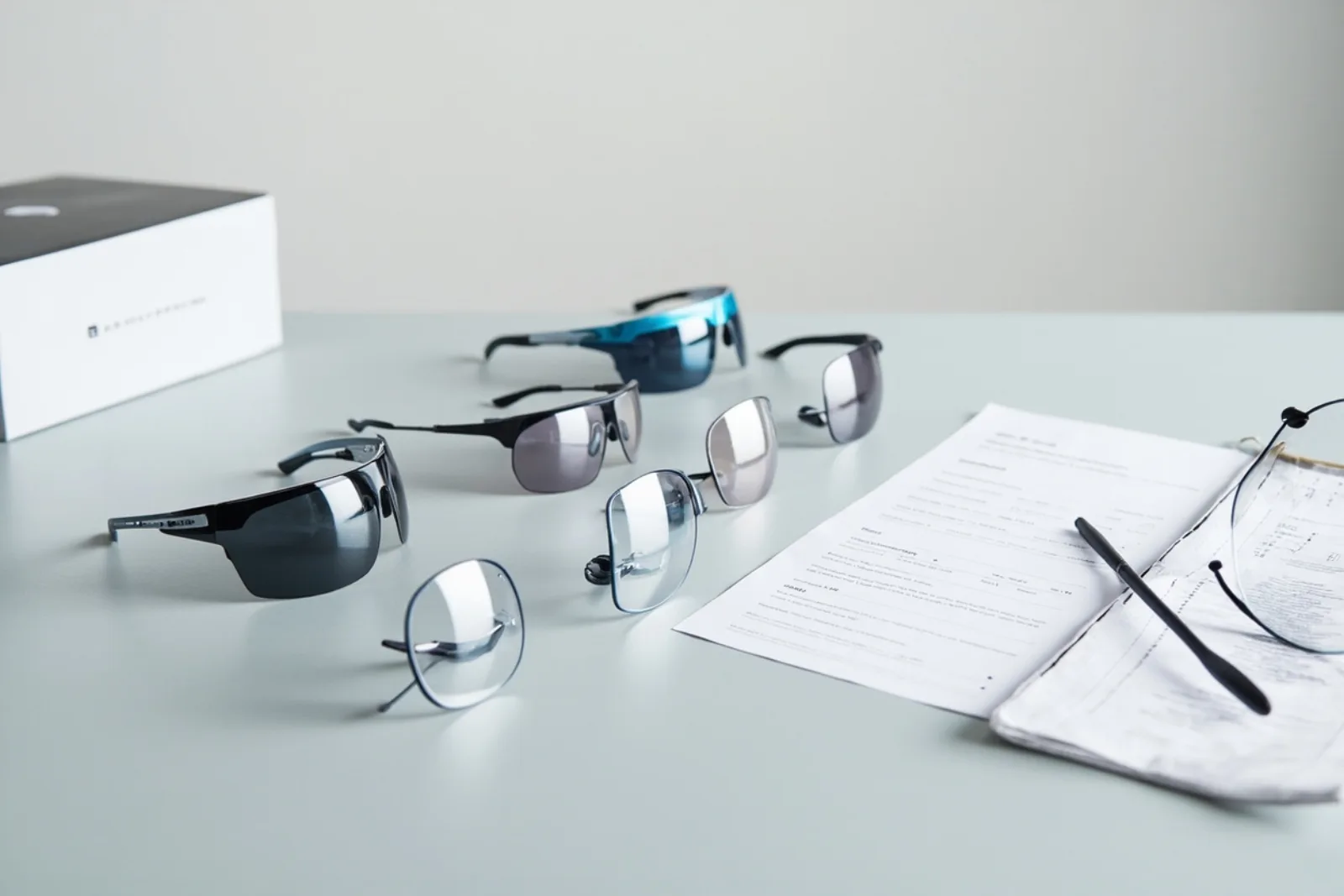
Nothing in the published specification: both SKUs list Bluetooth 5.4, 55mAh × 2, Magnetic charging, ≤2h and ~8h row for row. The difference is commercial and visual — frame colour, paint finish, trim, logo treatment, packaging and documentation — which is why each finish is sampled and signed off as its own SKU even though the electronics, chargers and test records follow one platform. The available finish list is not published and is confirmed with finish samples on the configuration sheet per project.
Why would a distributor carry both LC-105 finishes?
Two finishes on one validated platform give a range more shelf coverage without a second qualification project: one pairing story, one firmware baseline, one magnetic charger in the box and one radio-certification file cover both listings, while each finish can target a different customer segment or channel. It also reduces spare-part and after-sales complexity because the shared 55mAh × 2 pack and charging accessories are common. The trade-off to manage is positioning discipline so the two listings read as distinct looks rather than competing duplicates.
Does choosing the LC-105-2 change battery life or charging?
No — the published values are identical. Both twins quote ~8h of reference music playback and a ≤2h reference charging ceiling on magnetic charging with the same 55mAh × 2 dual-cell pack. Runtime and charging are reference figures measured at a defined volume with a defined paired phone, so actual results vary with volume, call use and signal, but there is no published performance penalty attached to selecting the alternate finish, and retail copy should quote the same figures for both SKUs.
What finishes, colours and trim options are available for the LC-105-2?
The specification record does not publish a colour or finish list for the LC-105-2; its description commits only to differentiated appearance on the LC-105 platform. Available colours, paint textures, logo placement, trim pieces and packaging formats are therefore presented as physical finish samples during sampling and confirmed on the configuration sheet per project, alongside any market-specific coating or marking requirements. CYNRIN does not assign unpublished colourways in marketing copy before samples are signed off.
Is the Bluetooth 5.4 in the LC-105-2 the same radio as in the LC-105-1?
The published value is identical — Bluetooth 5.4 on both SKUs, as on the G07, YK12, D11 and D12 — and a shared platform is the stated design intent, so buyers plan against one pairing and firmware story across the two finishes. Module identity and firmware revision are not published rows, however, and are not asserted beyond the shared specification; they are confirmed on the configuration sheet per project, while the K02 and E13 remain on Bluetooth 5.3 for anyone planning a wider family listing.
Does the same magnetic charger work on both LC finishes?
Yes as planned: Magnetic charging is published identically for the LC-105-2 and LC-105-1, and the platform approach keeps one magnetic cable and accessory specification across both finishes. Contact layout, magnet strength, cable length and spare-charger pricing are not published rows, so the exact accessory drawing is confirmed in writing per project before retail packaging is finalised. Chargers for the Type-C D11 and D12 are a separate conversation and should not be assumed interchangeable.
Can each finish carry its own logo and packaging?
Yes. Branded OEM — typically from 1,000 units — adds custom logo placement, frame-colour direction, printed packaging, inserts and quick-start documentation for each SKU, while catalogue OEM from 500 units works from catalogue colours and standard packaging. Because the electronics stay identical, twin-finish programmes often share an outer carton and charger pack while differentiating the retail box and markings. Every custom item and its minimum is confirmed on the proforma invoice before tooling or mass production.
Which specifications are not published for the LC-105-2?
Frame weight, frame material, lens options, operating temperature, temple design and speaker type all render as Not published; the record contains only the five radio, power and charging rows. In particular, the G07's Ultra-slim, detachable temple value and the YK12's Slim value are never copied onto the LC-105-2 column. The published ultra-light positioning comes from the description, not a gram figure, and all physical and optical details are confirmed through samples and the configuration sheet per project.
What is the MOQ for an LC-105-2 order?
Catalogue OEM configuration starts at 500 units per finish using catalogue colours, standard packaging and the shared magnetic charging accessory. Branded OEM with custom logo, printed packaging and branded documentation typically starts at 1,000 units. Structural or electronic changes — including any optical or temple redesign beyond the published platform — are evaluated separately as ODM, typically at 3,000–5,000 units. The final minimum for a twin-finish programme is confirmed in writing against the concrete brief and finish count.
Does the LC-105-2 support hands-free calls?
Yes — the published feature language for the platform lists clear hands-free calls and daily audio over the Bluetooth 5.4 link, with call pickup managed from the frame, and the LC-105-2 inherits that platform language even though the formal spec rows stay at five. Microphone count, wind-noise performance, speaker type and a separate talk-time value are not published, so claims stay with hands-free calling and daily listening; call-quality evidence under a defined noise profile is confirmed on the configuration sheet per project.
Which certifications and lead times apply to the LC-105-2?
CE, FCC and RoHS are certification capabilities at CYNRIN, verified per destination market on request rather than blanket claims for a particular finish; share target markets at RFQ so the correct radio, battery-shipping and materials documents are scoped, including UN38.3 for the 55mAh × 2 dual-cell pack. Sample timing is confirmed after the brief and finish samples are reviewed, and mass production typically runs 15–40 days after deposit, with a written schedule covering both SKUs when the twins run together.