

Since 1 August 2025, radio equipment sold in the EU must demonstrate cybersecurity as part of its CE conformity. The legal engine is Commission Delegated Regulation (EU) 2022/30, which added three protection objectives — Articles 3.3(d), (e) and (f) — to the Radio Equipment Directive; the practical bridge is the harmonised standard family EN 18031-1/-2/-3:2024, referenced under Commission Implementing Decision (EU) 2025/138. Smart glasses sit squarely inside the regime: they are radio equipment, they pair with companion apps and cloud services, and they carry cameras, microphones and sometimes location data. This article translates the requirement into buyer language — what changed, which parts bite eyewear, what evidence to demand — while the full three-part control grid sits on the EN 18031 compliance page.
Why the RED Gained a Cybersecurity Layer
The original RED essential requirements covered radio safety, spectrum and electromagnetic compatibility. Delegated Regulation 2022/30, adopted in January 2022 with a long transition, recognised that connected radio products can cause a new class of harm that spectrum tests cannot see: devices attacking or degrading networks, leaking personal data, or participating in payment and authentication fraud. The three objectives are deliberately written as outcomes rather than technical recipes:
3.3(d) — network protection. The equipment must not harm the network or its functioning, nor misuse network resources. For glasses this means well-behaved connection handling, no abnormal reconnection storms, sane radio resource use — firmware quality as a legal property.
3.3(e) — personal data and privacy. Safeguards for the personal data the device processes. Given cameras and microphones on the head, this is the objective eyewear buyers should read most carefully: pairing security, data minimisation, indicator behavior and access control.
3.3(f) — fraud in electronic transactions. Protection where the device participates in monetary or value transactions, relevant to companion apps that handle payment, wallet or authenticated services.
The Device Classes That Decide Scope
EN 18031 does not ask every product to prove every control. The family classifies equipment by the sensitivity of what it connects to and handles — network equipment, devices closely associated with network operation, and devices that process personal data or money. Smart glasses normally fall into the internet-connected consumer device class, assessed against the base requirements with the personal-data parts engaged because of the camera, microphone and companion account. Classification is confirmed against the actual firmware and companion-app architecture, never against marketing copy: a listing cannot argue its way out of scope by describing the product as "just sunglasses with Bluetooth". The assessment covers the whole radio system — device, app and the cloud endpoints it talks to — which is why the supplier's answer matters at platform level, not per SKU.
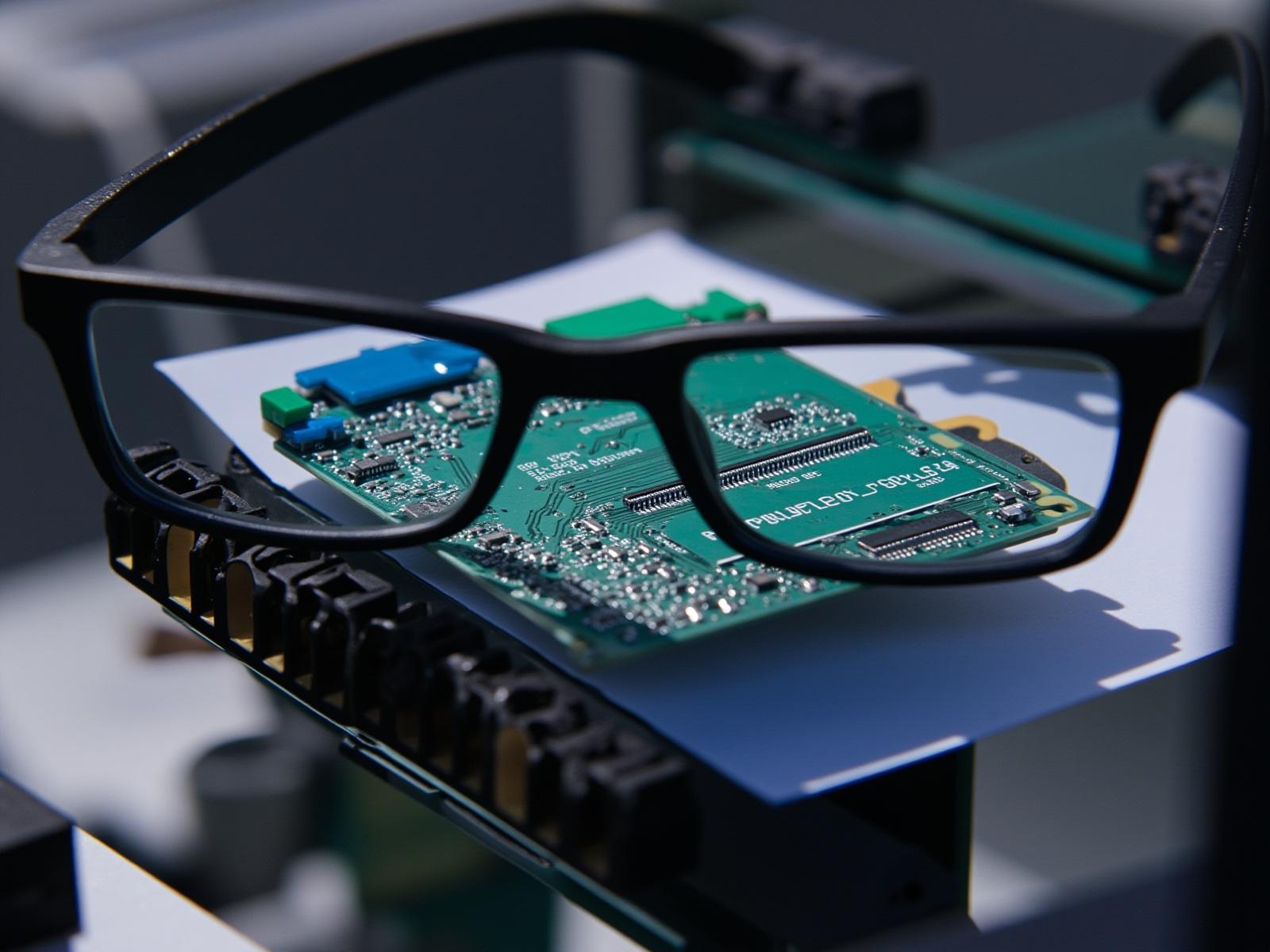
What the Three Parts of EN 18031 Cover
The standards turn the legal outcomes into testable control families. EN 18031-1 sets the common cybersecurity requirements for internet-connected radio equipment — secure-by-default configuration, credential management, authenticated and protected updates, secure storage of sensitive parameters, minimisation of attack surfaces, and logging. EN 18031-2 adds the personal-data and privacy protection measures: safeguarding confidentiality, integrity and availability of personal data, with controls on how data is captured, stored and transmitted. EN 18031-3 covers financial-transaction protection for equipment within that scope. For an eyewear program the engineering reality is that most failures are operational, not exotic: default passwords, unsigned firmware updates, open debug interfaces, unencrypted pairing, over-collected telemetry. These are platform characteristics — another reason platform lineage and firmware maturity, discussed in the product platform article, are commercial rather than abstract questions.
The Calendar: From 2022 to August 2025
The delegated act entered into force in 2022. The Commission initially set an August 2024 application date and extended it to 1 August 2025, giving manufacturers roughly 42 months from adoption. The harmonised standards EN 18031-1/-2/-3:2024 were finalised by CEN/CENELEC and referenced in the Official Journal through Implementing Decision (EU) 2025/138, so products built against them gain presumption of conformity for the articles the parts cover. What buyers should take from the timeline is that this is no longer "future regulation": goods placed on the EU market after the date are expected to satisfy the objectives, and declarations of conformity that still ignore Article 3.3 are simply incomplete. The background on qualification and listing discipline is shared with the radio trademark regime on the Bluetooth SIG page.

The Evidence File a Buyer Should Receive
Ask for five things and judge the quality of the answers. 1. The classification rationale for the platform — which class, which parts of EN 18031 apply. 2. The test or assessment report against the cited edition (the 2024 parts), identifying the exact firmware and app versions assessed. 3. The updated EU Declaration of Conformity referencing the RED articles including 3.3(d/e/f). 4. The secure-update story: how signed firmware is delivered, for how long, and how that is documented to the end user. 5. The privacy-relevant behavior description: what data leaves the glasses, where it goes, and how capture is indicated — directly relevant to the wording rules on the claims policy page. Because a firmware change can invalidate an assessment, change control and version traceability matter; that discipline is part of the in-process quality system, and the broader radio and reliability test evidence is catalogued on the testing page.

What This Means at Program Level
Three practical consequences. First, prefer platforms whose stack has already been assessed — repeating EN 18031 work on a frozen, obscure firmware branch is expensive and slow, and late-stage remediation of unsigned-update or default-credential problems can slip a season. Second, treat the companion app and cloud as part of the product in vendor contracts: cybersecurity evidence that covers hardware but not the service is partial, because 3.3(e) follows the data. Third, sequence documentation with the season: GPSR operator duties and the RED cybersecurity file are assembled in parallel (the GPSR checklist is in the GPSR article), and both should be scheduled before listing artwork is finalized, using the stage logic on the development process calendar. A complete file — RED radio, EN 18031 cyber, GPSR operator, battery documents — is what lets one SKU sell across the EU without marketplace gaps.
Frequently Asked Questions
When did EN 18031 and the RED cyber rules become mandatory?
The Article 3.3(d/e/f) requirements introduced by Delegated Regulation (EU) 2022/30 have applied since 1 August 2025, after a transition of some 42 months. The harmonised standards EN 18031-1/-2/-3:2024 were referenced in the Official Journal via Implementing Decision (EU) 2025/138.
Do audio-only Bluetooth glasses need this, or just camera glasses?
Any connected radio equipment in scope can need the assessment; camera products engage the personal-data parts most heavily, but audio glasses still pair with accounts and apps, process voice data, and connect to networks. Scope is determined from the actual system architecture, not the product category label.
What does presumption of conformity mean in practice?
Building against the harmonised EN 18031 parts creates a legal presumption that the corresponding RED essential requirements are met. It is dramatically simpler than defending a bespoke security argument, which is why selecting an already-assessed platform de-risks both schedule and audit.
Does a firmware update invalidate the cyber assessment?
It can change the security posture the report evaluated. That is why controlled, signed updates, version traceability and re-assessment triggers belong in the quality system; buyers should ask which firmware version the evidence covers and how post-shipment updates are governed.
What is the minimum evidence to request from a supplier?
The classification rationale, the assessment report against the 2024 EN 18031 parts with exact firmware and app versions, the updated EU Declaration of Conformity citing 3.3(d/e/f), the secure-update commitment, and a description of data handling and capture indication.
To confirm which platforms carry EN 18031-aligned assessments for your target configuration and season, request a quote with your destination markets and companion-app scope; the response identifies the available cyber evidence, firmware lineage and certification calendar.
Further reading
- EN 18031 & Cybersecurity Compliance: How To Verify
- EN 18031 Explained: The Cybersecurity Standards Behind RED
- EN 18031 & Cybersecurity Compliance: A Checklist For Buyers


