
Charging is the most underrated merchandising decision in smart eyewear. Buyers treat it as a cable question, but the charging topology quietly decides three things customers actually feel: how easy the device is to live with, how confidently a water-rating claim survives real use, and how often a charging problem turns into a returned unit. There are three architectures in the market today — magnetic pogo cables, magnetic charging cases with their own cell, and exposed Type-C ports — and each carries a different bundle of convenience, cost, sealing and failure behavior. This guide compares the architectures rather than naming winners, because the right answer is channel-specific and configuration-specific.
This is the charging companion to the power discussion in the battery life guide; sealing interactions are decoded in the IP ratings guide.
The Three Charging Architectures
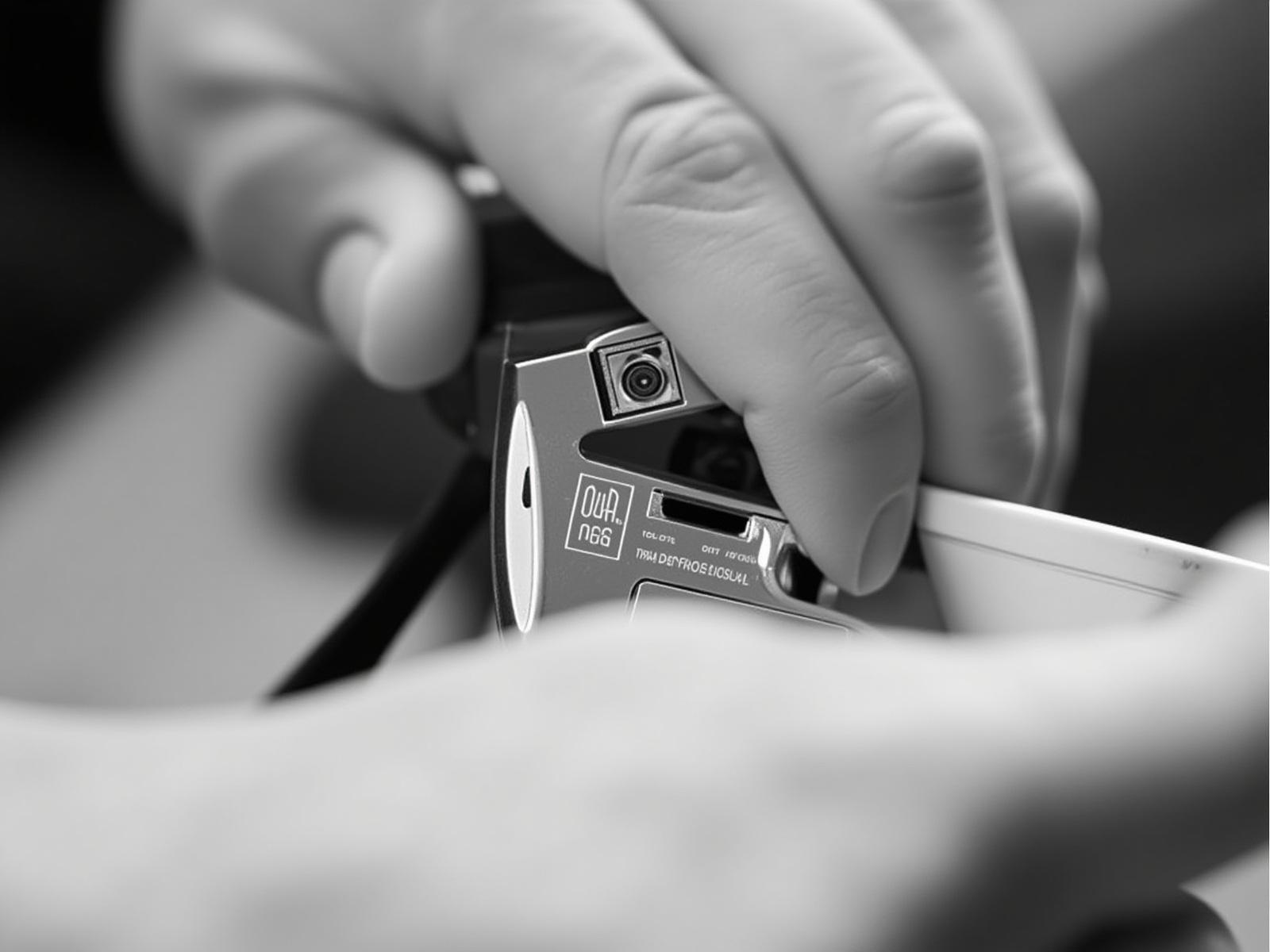
Magnetic pogo cable. Contacts on the temple meet a spring-loaded connector that snaps on by magnet. There is no open port in the frame, so the architecture removes one of the hardest paths for water and sweat to enter a sealed device. The user experience is forgiving: blind docking, one-handed connection, no orientation struggle. The trade-offs are proprietary cables — a lost cable means a replacement order, not a drawer find — and contact surfaces that must be engineered against sweat residue, corrosion and alignment wear over thousands of dock cycles.
Magnetic charging case. The same pogo interface, but power comes from a battery case that itself charges separately and often doubles as protection and an unboxing object. Cases are a genuine e-commerce asset: they photograph well, they feel like part of the product rather than an accessory, and they turn charging into a drop-in habit. The cost side is real — the case is a second lithium cell with its own certification and shipping documentation, plus BOM, molding and failure surface. A bad case (bulging hinge, weak magnet, self-discharge) also damages the brand of the glasses it accompanies.
Exposed Type-C port. The universal standard wins on familiarity: customers already own the cable, replacement friction is zero, and higher charge currents are available where the cell and power-management design support them. The costs are an opening in the frame that must be sealed around a moving insertion event, connector wear from repeated plugging, pocket lint on contacts, and user behavior that a rating cannot legislate — the port cover open in the rain is the manufacturer's problem at review time even when it is the customer's hand that opened it.
Sealing: Where the Architecture Meets the Listing
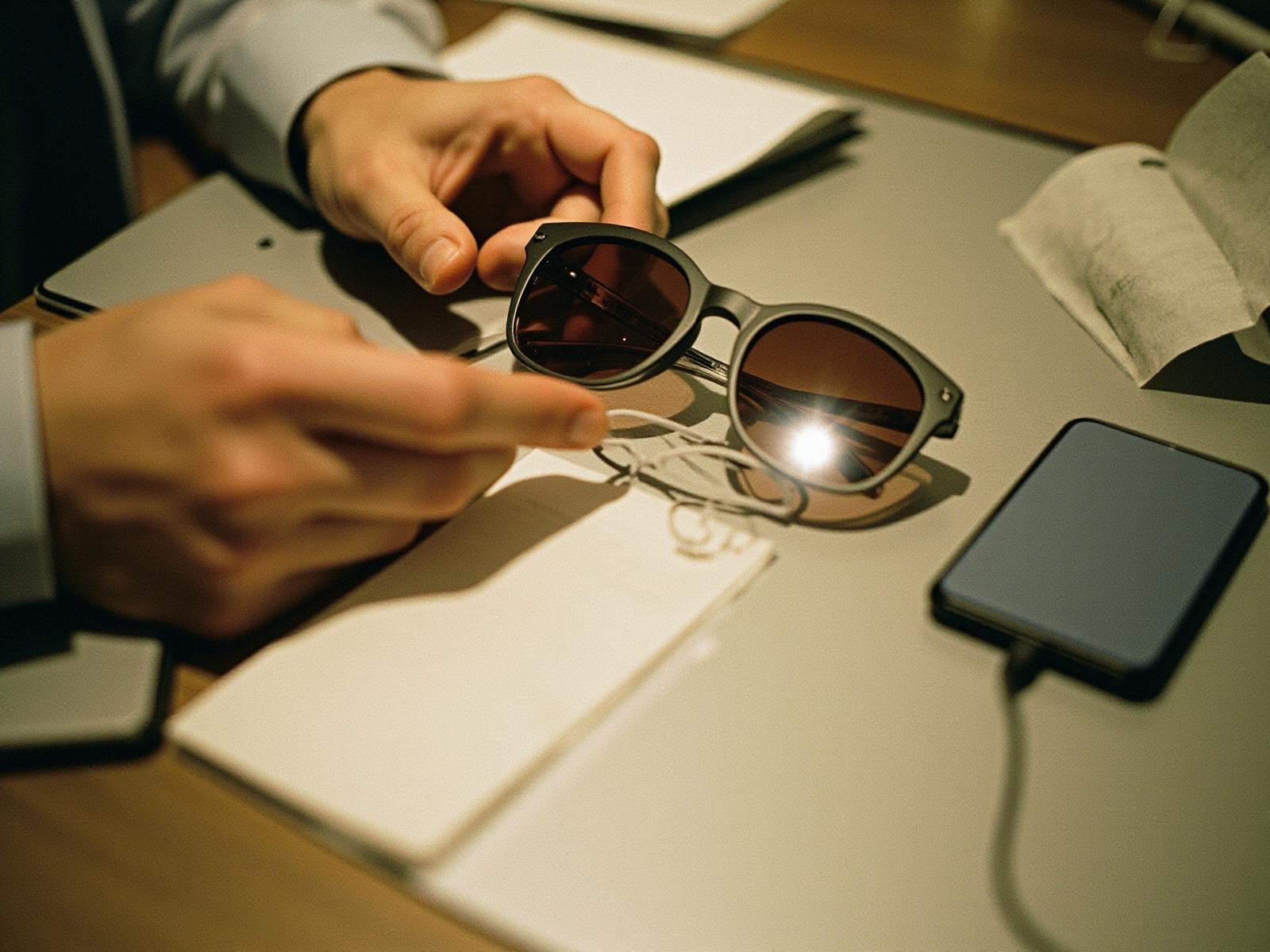
Portless magnetic designs make an honest sweat-and-rain claim easier to engineer and to defend, because ingress sealing is tested against fixed geometry rather than a user-operated cover. That does not make magnetic contacts immune to water — liquid across live contacts during charging is its own design problem — but the failure modes concentrate in controlled geometry instead of human behavior. Any water wording must stay inside the tested mark on the shipped configuration; the claim-by-claim discipline is set out in the marketing claims policy, and the verification questions are in the test report reading guide.
Which Architecture Fits Which Channel
Gift and lifestyle retail favors the charging case: unboxing, perceived value and the dock-and-forget habit support the price position and reduce cable-loss complaints. Sports and outdoor channels favor magnetic pogo on the frame for sealing integrity and one-handed operation with wet hands — part of the same buyer logic as the three checks in the sport glasses buyer checks. Mainstream e-commerce and value tiers often favor Type-C because "no special cable" is a listing bullet that pre-empts the single most common pre-purchase question, and universal charging is increasingly treated by regulators as a consumer expectation rather than a feature.
Platform families differ by intent; the starting point for comparing what ships on which frame is the audio glasses category and the AI camera glasses category, with cable and case details confirmed per configuration during customization.
There is also a tiering angle: the same eyewear platform family can sometimes be offered across price points with different charging treatments — Type-C on the value tier where universal cables matter, a magnetic case on the gift-oriented premium tier — without changing the core frame. That strategy fragments accessory stock and support documentation, however, so it only pays when the tiers genuinely target different channels. A single, deliberate topology per product line is almost always easier to merchandise than two topologies that exist only because nobody made the decision.
What to Ask Before Locking the Choice
Charge current and typical charge time for the shipped cell; the dock-cycle and contact-resistance testing behind the magnetic interface (the contact surfaces are a life-test item, not just a plastic part); case cell capacity, standby self-discharge and its complete cell documentation if the case is included; whether the same frame can be offered with both topologies across tiers or the architecture is fixed at tooling; and what the failure statistics are in field or pilot data, because charging-related returns cluster around cable loss, weak magnets and port damage — exactly the three things this choice controls. Life and mechanical test coverage sits in the testing catalog.
Frequently Asked Questions
Does magnetic charging mean the glasses can be used for swimming?
No. Removing the port removes one ingress path; swimming depends on the full seal design and the tested mark, which on land-sport frames typically covers sweat and rain, not immersion activity. Judge by the rating on the exact configuration, not the connector type — see the IP guide.
Does a charging case add compliance work?
Yes, meaningfully: the case contains a second lithium cell and needs its own battery safety and transport documentation, including the test summary and shipping paperwork described on the battery transport page. Price the documentation timeline, not just the case BOM.
Is Type-C always faster to charge?
The connector permits higher current, but real charge time is governed by the cell size and power-management firmware, not the plug shape. Ask for charge time on the shipped configuration rather than assuming the connector implies speed.
What happens when a customer loses a proprietary magnetic cable?
They buy a replacement or return the product frustrated, which is why spare-cable policy, availability and listing-as-accessory should be decided before launch. A case partially solves this but creates the same question for its own charger.
Can the charging method be changed after selecting a platform?
Rarely without redesign: the topology lives in temple geometry, tooling and sealing decisions and must be frozen at the platform or customization stage rather than bolted on afterward. Raise it in the first technical review via request a quote.
To compare magnetic pogo, charging-case and Type-C configurations across the catalog platforms — with charge time, dock-cycle evidence and the case document set attached — specify the channel and target tier at request a quote.


