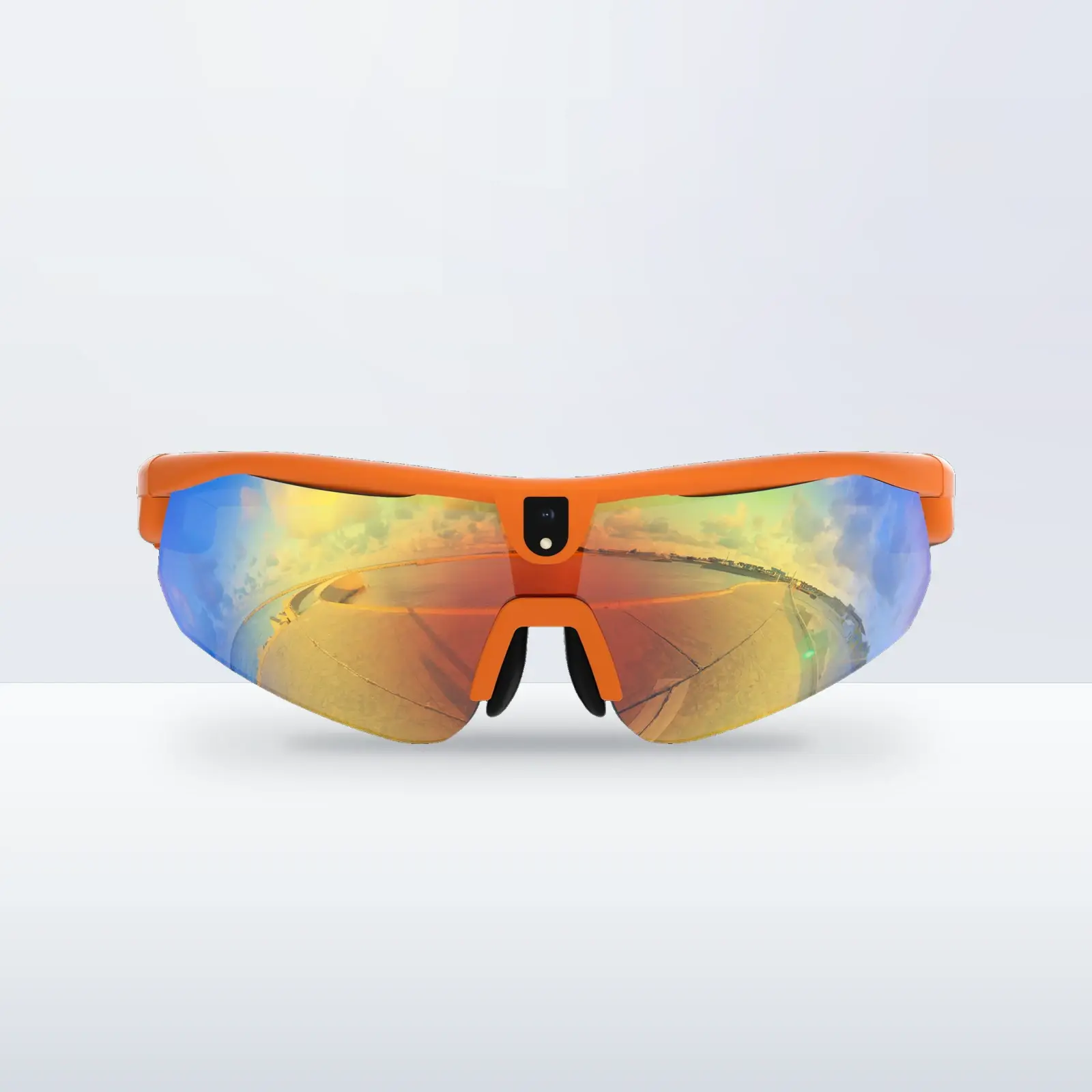
What is the BONECONDUCTIONGLASSES and what is it designed for?
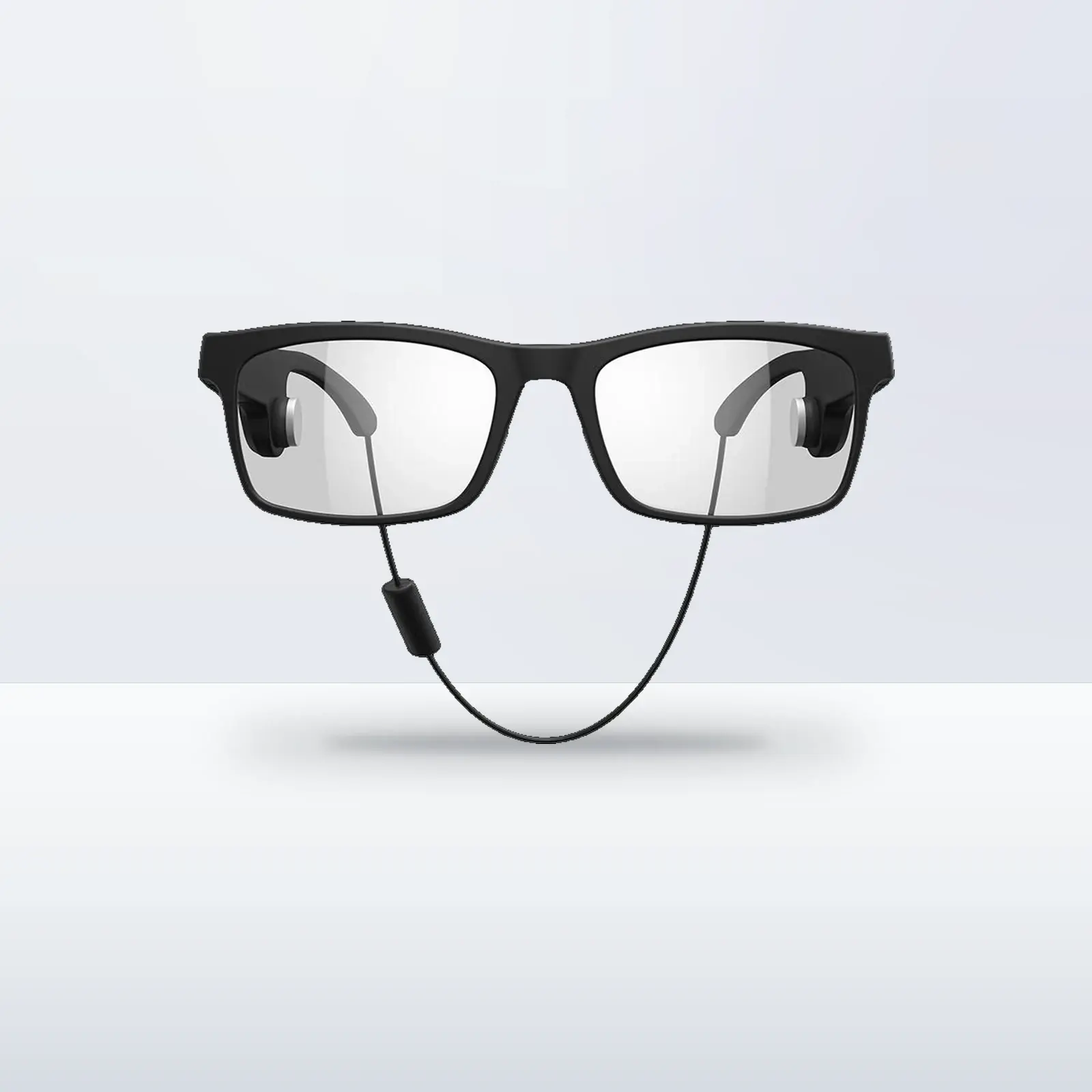
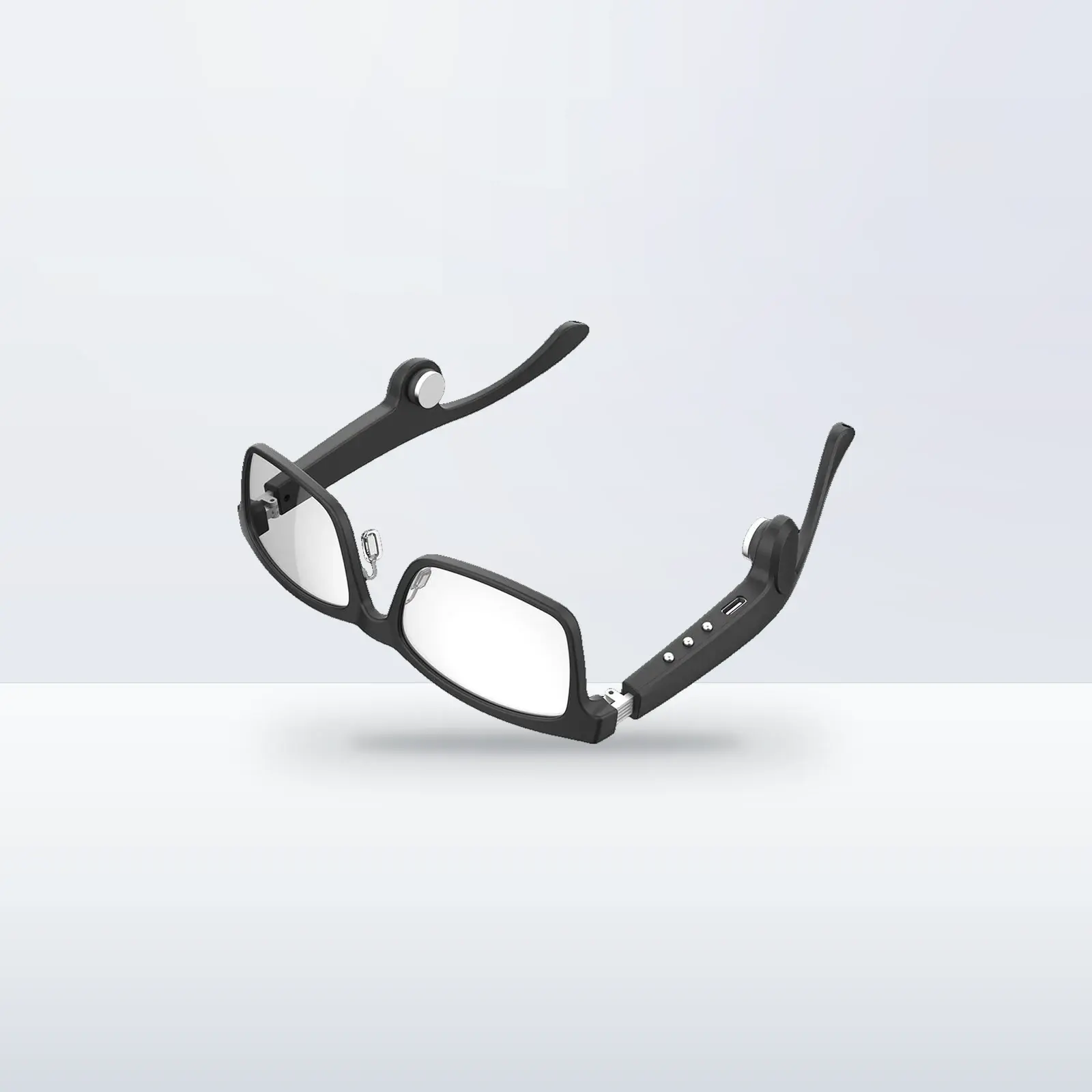
BONECONDUCTIONGLASSES is a bone conduction glasses model in the CYNRIN specialty audio family for open-environment listening. The published specification contains exactly five rows: amplification gain of 35dB, a 200mAh battery, Type-C charging, a reference charge time of ≤2h and about 7h reference music playback. It is built for field, industrial, security and outdoor channels that want ears-open awareness, supplied as a configurable OEM and ODM platform rather than a sealed retail product.
What does the published 35dB amplification gain mean?
35dB is the amplitude figure printed in the Amplification gain row and is the only acoustic-gain value in the specialty bone table. It should be quoted exactly as published, unlike the Surround sound feature wording used by the YK12 and YKC02 columns, which is a different specification field. The number is an engineering value for the transducer system; it is not a hearing-safety certification, a medical claim or a guarantee that every wearer perceives the same loudness, since fit and environment matter.
Does the BONECONDUCTIONGLASSES have Bluetooth?
No Connectivity row is published for this SKU, so CYNRIN does not state a Bluetooth revision or any other wireless standard for BONECONDUCTIONGLASSES. In the comparison table the Connectivity cell reads Not published for this column, while YK12 and YKC02 both publish Bluetooth 5.4. If a programme requires a confirmed radio, that requirement is handled during Configure and documented on the configuration sheet; marketing must never print a Bluetooth mark on the strength of the peer columns.
Why does the Audio technology cell read Not published for this model?
The family table builds its Audio technology row from the speaker-style feature field, which YK12 and YKC02 fill with Surround sound. BONECONDUCTIONGLASSES instead publishes its audio as 35dB in the Amplification gain field, so the table row has no matching value for this column and correctly renders Not published. This is a mapping outcome, not a missing capability; the gain figure remains a fully published specification on its own card.
What battery capacity and runtime does the record publish?
Battery capacity is published as 200mAh, a single cell and the largest nominal capacity in the specialty bone table, where YK12 uses 55mAh × 2 and YKC02 uses 70mAh × 2. Music playback time is published as ~7h, between the ~6h and ~8h peer columns. The larger cell does not equal the longest published runtime because bone conduction transducers draw their own power profile, and the tilde marks a reference figure under a defined test condition.
How does BONECONDUCTIONGLASSES charge and how long does it take?
Charging method is published as Type-C and charging time as ≤2h, both reference values under defined conditions. The Type-C port separates this model from YK12 and YKC02, which both publish magnetic charging, and lets industrial buyers standardise cables across existing equipment. Wattage, cable spec, port sealing and bundled charger are not published, so those details are confirmed on the configuration sheet and no fast-charge or weather-sealed-port claim is made without a report.
Is the BONECONDUCTIONGLASSES waterproof or sweat resistant?
No ingress-protection rating is published anywhere in the record, so the model must not be described as waterproof, water resistant, sweat proof or IP-rated. Sports positioning can rely on the published ears-open use, 200mAh cell and ~7h reference playback, while any sealing claim requires a configuration that has actually been tested and a report matched to the destination market. The sports buyer guide linked on this page explains how to read such a report before printing claims.
Is this a medical or hearing-protection device?
No. BONECONDUCTIONGLASSES is a consumer and industrial audio eyewear platform, and CYNRIN never describes it as medical grade, FDA cleared, hearing-protective or clinically certified. The 35dB amplification gain is an electronics specification, not an audiological rating. Channels serving regulated environments should complete their own review and request the applicable test reports, and any hearing-health claim would require a separate product definition under ODM scope with appropriate evidence.
How does BONECONDUCTIONGLASSES compare with YK12 and YKC02?
BONECONDUCTIONGLASSES publishes 35dB gain, 200mAh, Type-C, ≤2h and ~7h, with no connectivity row. YK12 publishes Bluetooth 5.4, 55mAh × 2, magnetic charging, ≤2h, ~6h, a Slim temple and Surround sound; YKC02 publishes Bluetooth 5.4, 70mAh × 2, magnetic charging, ≤2h, ~8h and Surround sound. The columns therefore split between a gain-led Type-C model and two connected magnetic-charge audio frames, and every figure stays attached to its own SKU.
What colours, lenses, materials and dimensions are available?
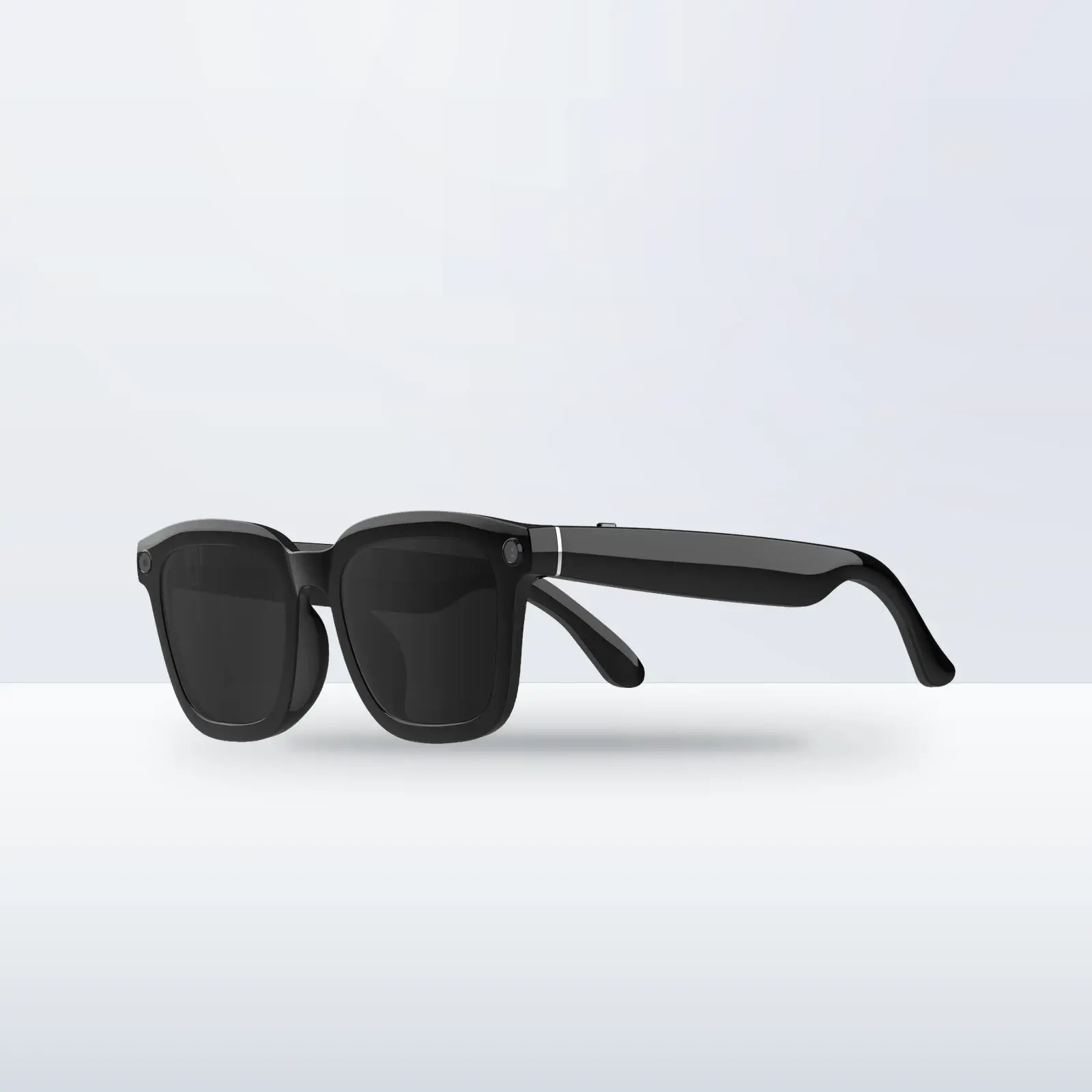
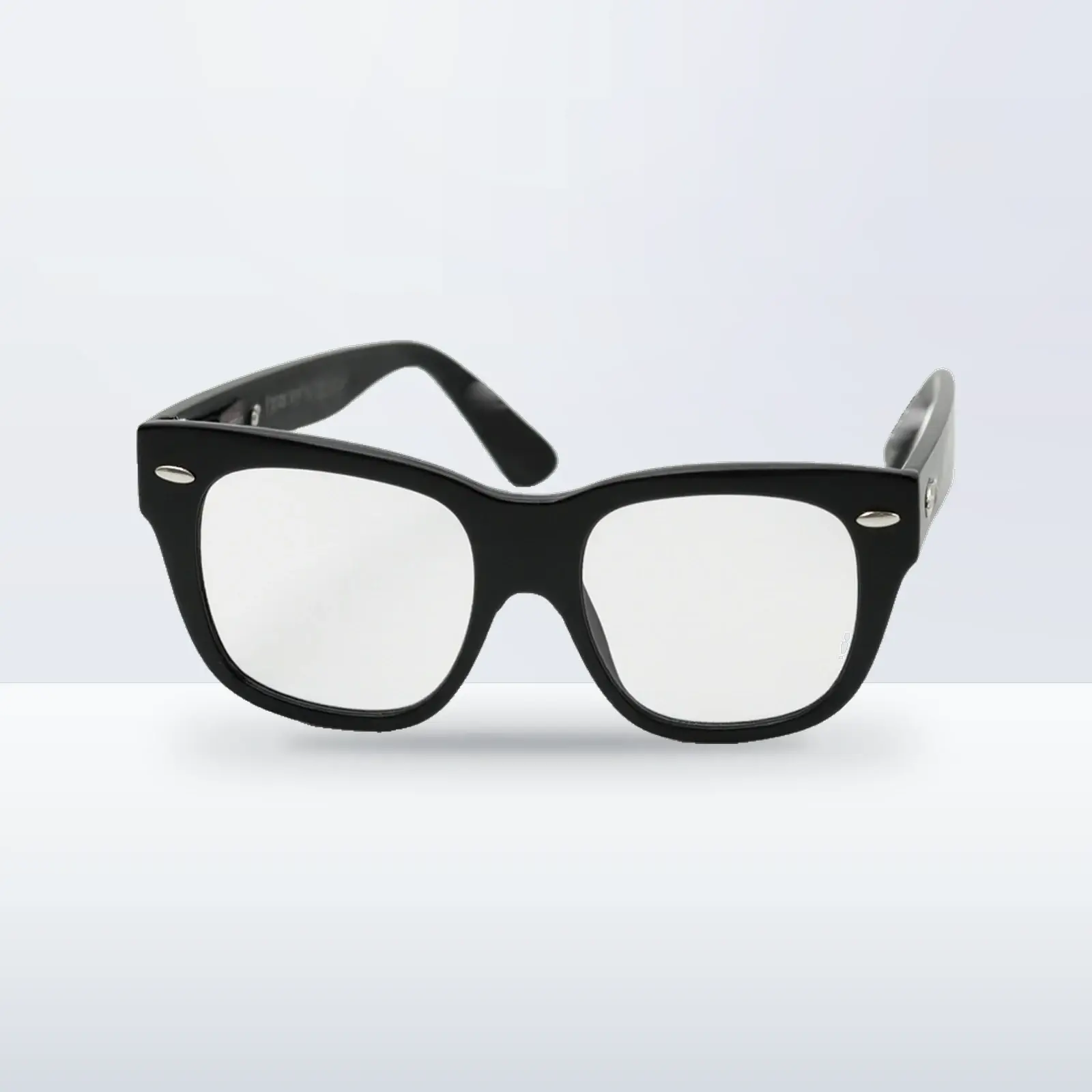
The BONECONDUCTIONGLASSES record publishes no Colours, Lens options, Materials, Temple design, weight or dimension row, so those cells remain Not published rather than borrowing trim from the peer columns. Colourways, lens choices and frame finishes are selected by use case, quantity and destination market during Configure and documented on the configuration sheet, which keeps catalogue artwork consistent with the exact units produced.
What is the MOQ for a catalogue or branded BONECONDUCTIONGLASSES order?
Catalogue OEM entry begins at 500 units on the standard 35dB bone conduction platform with available trim and basic logo treatment. Branded OEM, including broader logo placement, custom packaging and fuller documentation, typically starts at 1,000 units. Electronic or structural changes, including adding a confirmed wireless radio or altering the transducer arrangement, are handled as ODM and are typically evaluated in the 3,000-5,000 unit range after engineering review.
Which certifications and reports apply to BONECONDUCTIONGLASSES?
CE, FCC and RoHS are among CYNRIN's certification capabilities, with the applicable report scope verified per destination market and supplied on request. Because the published record lists no radio, any wireless configuration would change the test scope and its radio reports; importers should state their market and final configuration early. No specific certification is claimed on this page, and reports always follow the tested production units rather than a generic platform statement.
How do we launch a BONECONDUCTIONGLASSES RFQ with CYNRIN?
Provide target quantity, destination market, channel and use case, whether wireless connectivity is required, preferred trim and packaging scope, and any accessory or cable expectations. Engineering maps the brief to the published 35dB, 200mAh and Type-C platform and replies with the configuration sheet, sample schedule, the applicable 500-unit catalogue or 1,000-unit branded MOQ tier and certification scope. Once samples are approved, mass production typically runs 15-40 days after deposit.